




If you own an independent boutique or a local shop, you know the feeling. You walk into your backroom, look at the stacks of cardboard boxes reaching the ceiling, and mentally calculate exactly how much of your cash flow is trapped inside them.
Running a small retail business is a constant balancing act. Your customers come to you because they want curated, unique items they can’t find at a generic big-box store. But to get those unique items, traditional suppliers usually force you to buy in massive quantities. If a certain style of boot or handbag doesn’t sell, you are left holding the bag—literally—and forced to slash prices just to clear shelf space.
The good news is that the retail landscape is shifting. You no longer have to tie up all your working capital in excess inventory just to keep your store looking fresh. Here is how modern boutique owners are keeping their shelves stocked and their backrooms clear.

Stop Playing the Six-Month Guessing Game
In the old retail model, you had to place massive wholesale orders six to nine months in advance. You were basically placing a very expensive bet on what sizes and colors people might want next season.
Today, successful independent shops are moving away from massive seasonal hauls and embracing small-batch sourcing. Instead of committing to a hundred pairs of shoes from an unknown supplier, retailers are using flexible B2B platforms that allow for smaller minimum order quantities. You can bring in a few key styles, see how your local foot traffic reacts to them, and reorder quickly if they take off. If a style flops, you simply move on without taking a massive financial hit.
Lean on Established Networks (The Aldo Strategy)
When you are trying to source unique fashion, footwear, or accessories, dealing with unverified overseas factories is incredibly risky. Sizing is inconsistent, shipping gets delayed, and quality control is non-existent.
This is why many smart boutiques are turning to wholesale partnerships with globally established brands like Aldo.
While you might think of Aldo primarily as a standalone retail brand, they have a robust wholesale arm that independent retailers can tap into. Partnering with a giant in the footwear and accessory space gives a small shop a massive operational advantage:
- Trusted Quality: You know the materials, stitching, and sizing will be consistent, which drastically reduces customer returns.
- Trend Access: Large brands have entire teams dedicated to forecasting fashion trends. By pulling from Aldo’s B2B catalog, you get access to on-trend designs without having to do the expensive product development yourself.
- Deep Inventory: Because global brands hold their own massive stock in regional hubs, you don’t have to. You can order a modest run for your floor and rely on their supply chain to restock you quickly when a specific size sells out.
Treat Your Store Like a Showroom
You do not need to have every single size and color variation sitting in your stockroom.
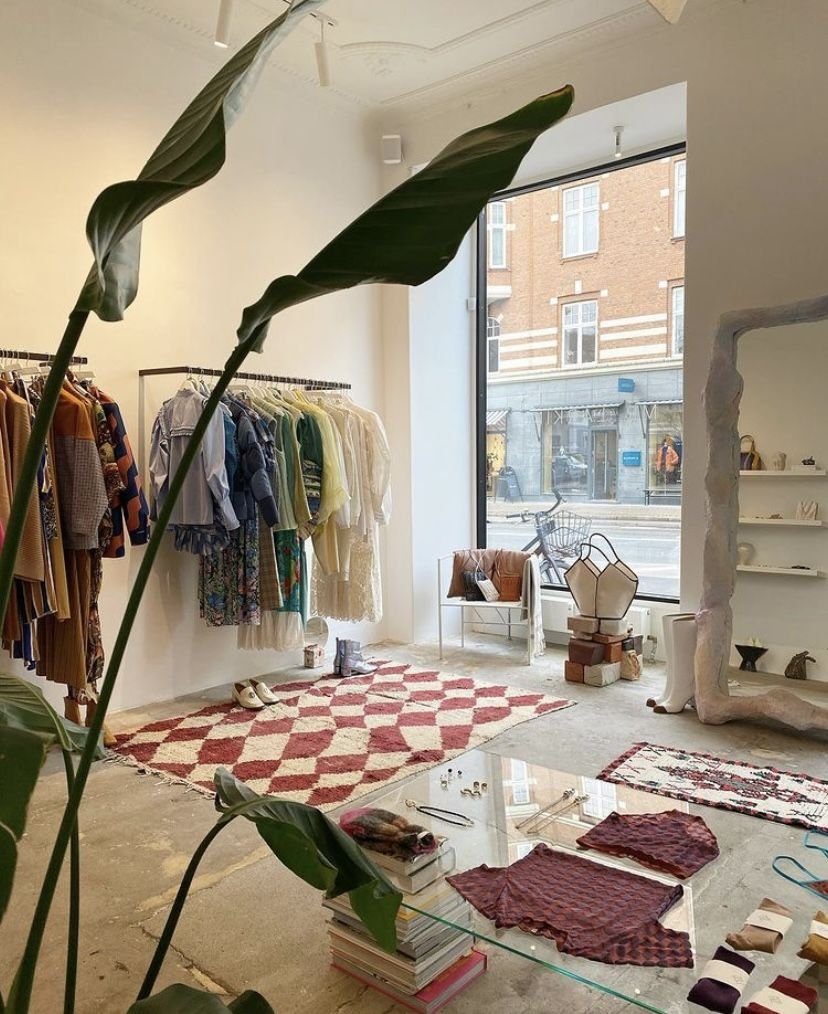
Many independent retailers are shifting to a showroom model, especially for high-ticket items like premium leather boots or detailed outerwear. You keep a beautifully curated selection of display pieces on the floor. Customers can touch the leather, test the zippers, and try on a display size to gauge the fit.
If they want a color or size you don’t have in the back, you process the transaction right there at the register and have your supplier drop-ship the item directly to the customer’s house within a few days. You capture the sale, the customer gets a brand-new product, and your backroom stays entirely clutter-free.
Let Your Community Fund the Order
If you want to bring in a really unique, higher-priced collection but you are terrified it won’t sell, stop guessing. Let your customers tell you what they want by using pre-orders.
Before you place a purchase order for that new line of winter boots, tease the collection on your shop’s Instagram or send an exclusive preview to your email list. Offer your loyal customers a 10% early-bird discount if they claim their size now. By the time you actually place the order with your supplier, half the inventory is already paid for.
The Bottom Line: Keeping your store full of fresh, exciting products doesn’t mean you have to bankrupt yourself on inventory. By partnering with reliable wholesale brands like Aldo, keeping your physical stock light, and listening to your customers before you buy, you can build a profitable, stress-free retail business.