

Creating professional-quality beats is an exciting way to explore music production, express creativity, and develop your own sound. Whether you want to produce hip-hop, trap, R&B, pop, or electronic music, learning how to build a beat from scratch gives you complete control over your musical ideas.
You do not need an expensive studio or years of experience to get started. With the right tools, basic production knowledge, and regular practice, you can gradually develop the skills needed to create polished beats. Here is a step-by-step guide to help you begin.
1. Choose the Right Music Production Software
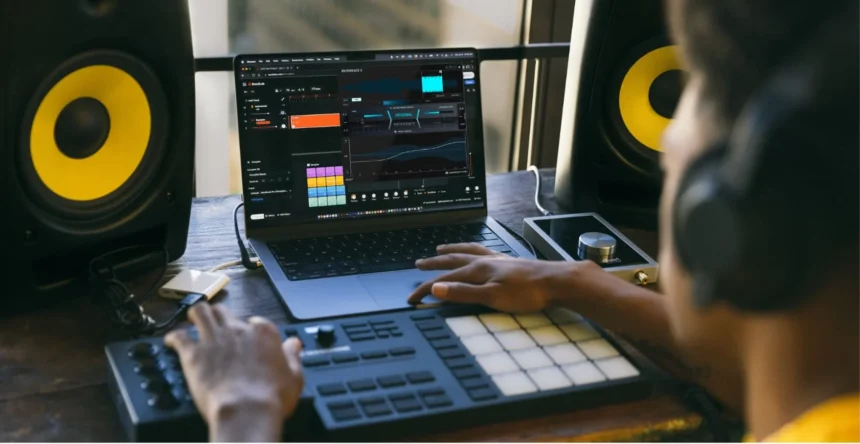
The first step is selecting a Digital Audio Workstation (DAW). This is the software you will use to create, arrange, record, and mix your music.
Popular options include:
- FL Studio: Known for its intuitive workflow and popular among hip-hop and electronic music producers.
- Ableton Live: Offers flexible recording, sequencing, and live performance features.
- Logic Pro: A powerful option for Mac users, with a wide selection of instruments and production tools.
- GarageBand: A beginner-friendly option for learning basic music production.
Choose software that matches your budget, computer, and preferred workflow. Most DAWs offer tutorials and trial versions, making it easier to explore their features before committing.
2. Understand Rhythm and Tempo
A strong beat begins with a clear rhythm. Tempo, measured in beats per minute (BPM), determines how fast or slow your track feels.
Different genres often use different tempo ranges. Hip-hop frequently uses slower or moderate tempos, while house and techno generally feature faster rhythms.
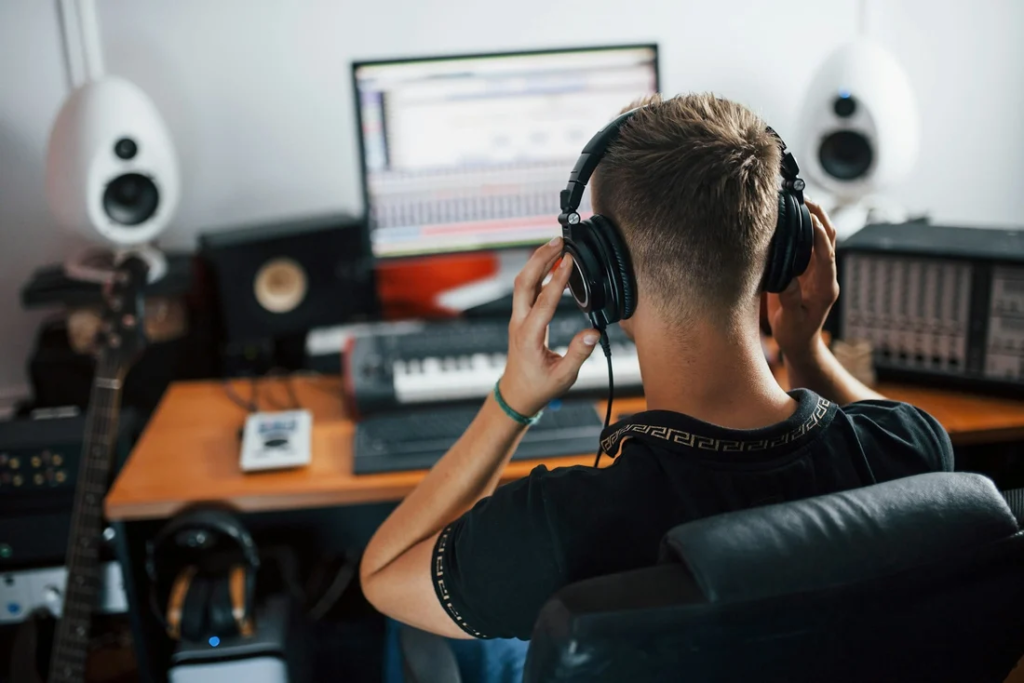
Start by selecting a tempo that suits your chosen genre. Then create a basic drum pattern using a kick, snare or clap, and hi-hats. Experiment with different placements and rhythms until you find a groove that feels natural.
3. Build a Strong Drum Pattern
Drums provide the foundation of most modern beats. A well-designed drum pattern gives your track energy, movement, and structure.
Begin with three essential elements:
- Kick: Creates the low-frequency foundation and establishes the main pulse.
- Snare or clap: Adds rhythmic emphasis and helps define the groove.
- Hi-hats: Introduce movement through repeated patterns and variations.
Once your basic pattern works, experiment with open hi-hats, percussion, rimshots, and occasional drum fills. Small changes can make a repetitive pattern feel more dynamic.
4. Create a Memorable Melody
A memorable melody can give your beat its identity. You can create one using virtual instruments, MIDI keyboards, synthesizers, or sample libraries.
Start with simple chords or a short melodic phrase. Piano, guitar, strings, and synthesizers are all useful starting points.
You do not need advanced music theory to create something interesting. Experiment with different notes, rhythms, and chord combinations. Keep the melody complementary to the drums rather than allowing it to overwhelm the entire arrangement.
5. Add Bass and Supporting Sounds
Bass gives a beat depth and helps connect the rhythm and melody. Depending on the genre, you might use a traditional bass instrument, a synthesised bassline, or a 808 sound.
Make sure the bass works well with the kick drum. If both sounds compete for the same frequency space, the track can become muddy.
You can also introduce atmospheric effects, background textures, vocal samples, or subtle transitions to make the production more engaging.
6. Arrange Your Beat Professionally
A professional beat should develop rather than repeat the same pattern throughout. Organise your ideas into sections such as an intro, verse, chorus, bridge, and outro.
Introduce or remove instruments at different points to create contrast. For example, you might begin with a simple melody, bring in the drums gradually, and add extra layers during the chorus.

Good arrangement keeps listeners interested and gives the track a clear musical direction.
7. Mix and Master Your Track
Mixing helps individual sounds work together. Adjust volume levels, panning, equalisation, and compression to create a balanced result.
Pay attention to the low frequencies, especially the relationship between the kick and bass. Use effects such as reverb and delay carefully so that your sounds have space without becoming unclear.
Mastering is the final stage, where the overall track is prepared for distribution. If you are new to production, start with basic mastering techniques and compare your finished beat with professionally released tracks at similar listening volumes.
8. Practise and Develop Your Signature Sound
Creating professional beats takes time and experimentation. Study producers whose work inspires you, recreate simple patterns for practice, and regularly experiment with new sounds.
Organise your sample libraries, save different versions of projects, and ask other musicians for feedback. These habits can help you improve both your creative process and technical skills.
Final Thoughts
Creating professional beats from scratch is a combination of creativity, technical knowledge, and consistent practice. Start with a DAW, build a strong drum pattern, develop a memorable melody, and gradually learn arrangement, mixing, and mastering.
You do not need to produce a perfect track on your first attempt. Focus on learning one skill at a time, experiment with different genres, and keep refining your sound. With patience and dedication, your basic musical ideas can grow into polished productions that reflect your unique style.