



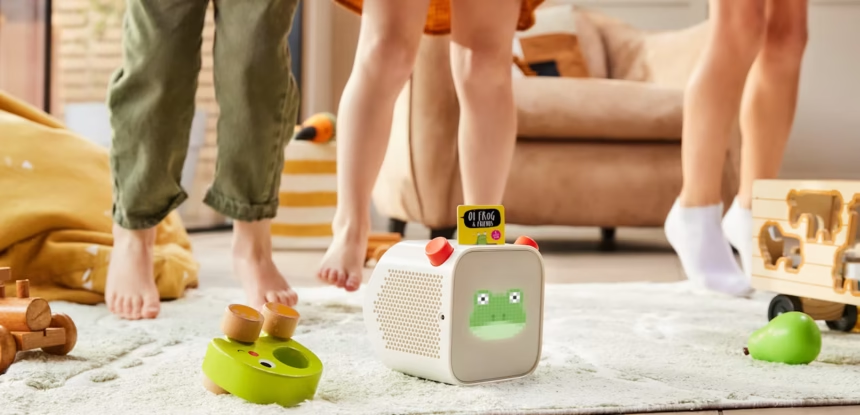
Choosing the perfect audio player for your child can feel overwhelming with so many options available today. From story-based devices to music players and educational audio gadgets, each one offers different features designed for different age groups. The key is finding an audio player for kids that matches your child’s interests while supporting their learning and development.
If you’re planning to invest in a kid-friendly audio player, here’s what every parent should consider before making a decision.
Start with Your Child’s Age
The first step is choosing a device that’s appropriate for your child’s age. Toddlers need simple, durable players with large buttons and easy controls, while older children may enjoy devices with a wider selection of audiobooks, podcasts, and educational content.
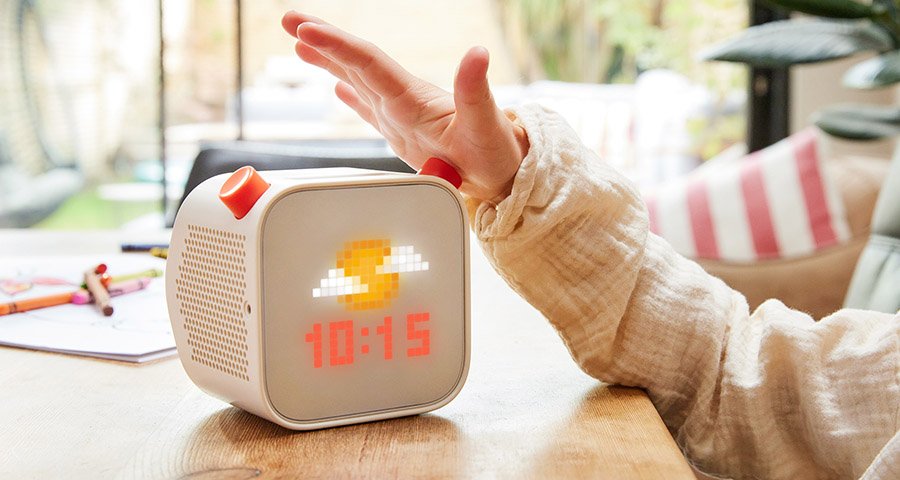
An age-appropriate audio player keeps children engaged without making the experience complicated or frustrating.
Look for a Screen-Free Experience
Many parents today are choosing screen-free audio players for kids to encourage healthier digital habits. A device without a screen allows children to focus on listening rather than watching, helping improve imagination, concentration, and independent thinking.
It’s also a great way to reduce unnecessary screen time while still keeping kids entertained.
Choose Engaging Content
The best audio player isn’t just about the hardware—it’s about the content. Look for devices that offer a variety of options, including:
- Audiobooks
- Bedtime stories
- Nursery rhymes
- Educational lessons
- Music playlists
- Interactive adventures
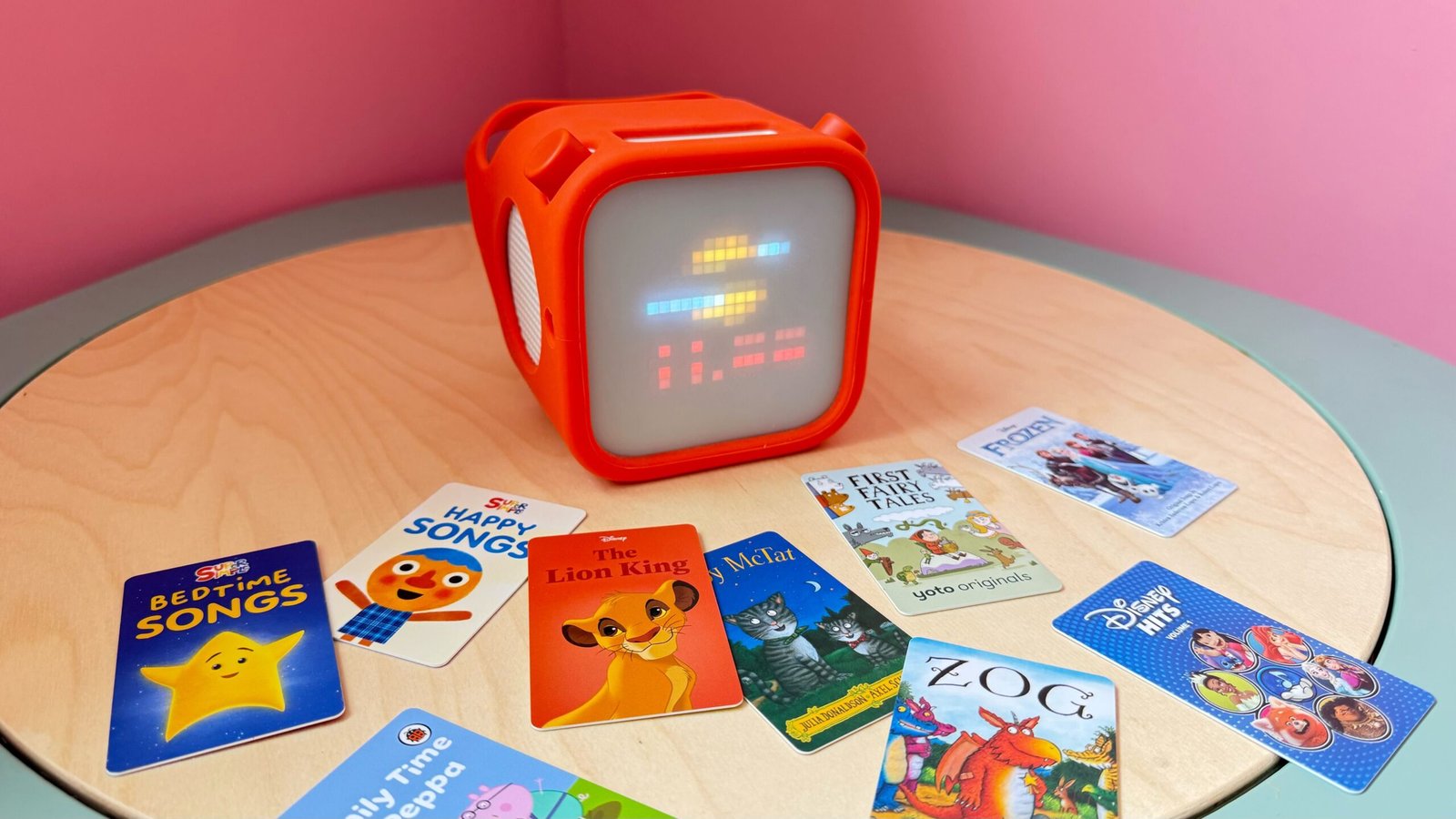
A diverse content library keeps children interested and allows the device to grow with them as their interests evolve.
Prioritize Safety and Durability
Kids can be rough on their belongings, so durability matters. Choose an audio player made from child-safe materials with a sturdy design that can handle accidental drops.
It’s also important to check for volume-limiting features. Safe listening levels help protect your child’s hearing, especially if they use headphones regularly.
Battery Life and Offline Playback Matter
Whether you’re heading out on a road trip or simply spending the day away from home, a long-lasting battery can make all the difference. Many of the best audio players for children also support offline playback, allowing kids to enjoy their favorite stories and songs without an internet connection.
This feature is especially useful during travel, flights, or outdoor activities.
Easy for Kids to Use
An audio player should encourage independence, not require constant parental assistance. Look for intuitive controls with large buttons, simple navigation, and a lightweight design that children can comfortably carry on their own.
When kids can easily operate the device themselves, they’re more likely to use it regularly and build confidence along the way.
Read Reviews Before You Buy
Before making your final choice, spend a few minutes reading customer reviews. Other parents often share valuable insights about battery performance, content quality, ease of use, and long-term durability.
Their experiences can help you choose a product that truly delivers value.
Final Thoughts
Finding the right audio player for kids isn’t about choosing the most expensive model—it’s about selecting one that fits your child’s needs and your family’s lifestyle. A good audio player should inspire curiosity, encourage learning, and provide hours of screen-free entertainment.
Whether your child loves fairy tales, educational adventures, or calming bedtime stories, the right device can become a trusted companion that supports creativity, language development, and healthy listening habits. By focusing on age-appropriate features, engaging content, durability, and ease of use, you’ll be investing in a tool that brings both fun and learning into your child’s everyday routine.