



Choosing a new phone plan can feel more complicated than it needs to be. There are different data allowances, unlimited options, network choices, hotspot limits and payment terms to consider. If you’re trying to keep your monthly expenses under control, a prepaid wireless plan can offer a straightforward alternative to traditional phone contracts.
The trick is knowing what you actually need before you start comparing plans. Instead of automatically choosing the cheapest option or the one with the most data, consider your everyday phone habits, budget and coverage requirements.
Start With Your Current Data Usage
The first step is surprisingly simple: check how much mobile data you already use.
Most smartphones allow you to view your data consumption in the settings menu. Look at your usage over several months if possible, rather than relying on one unusually busy month.
If you mainly use your phone for messaging, emails, navigation and occasional browsing while connected to Wi-Fi most of the time, you may not need a large data allowance. If you regularly stream videos, listen to music, use social media or work while travelling, a larger allowance could make more sense.
Choosing a plan based on your actual habits is one of the easiest ways to avoid paying for data you don’t use.
Decide How Much Data You Really Need
Prepaid wireless plans are available with different data allowances, giving customers the opportunity to match their service to their lifestyle.
Light users can often manage comfortably with a smaller plan. Moderate users may prefer a mid-range allowance for regular browsing and entertainment. Heavy users who spend significant amounts of time away from Wi-Fi may want a larger plan or an unlimited option.
Remember that unlimited doesn’t necessarily mean unlimited high-speed data in every situation. Some plans have specific terms around network management, video streaming or hotspot usage. Read the details carefully before making a decision.
Compare the Full Cost
An attractive monthly price can grab your attention, but don’t stop there. When comparing affordable prepaid phone plans, look at the total amount you will actually pay.
Check whether taxes and fees are included, whether there are activation charges and whether the advertised price is promotional. Some providers offer a lower introductory rate that changes when the first service period ends.
Also consider the payment schedule. Some prepaid services offer monthly payments, while others may provide lower rates when you pay for several months or a year in advance.
Calculate the total cost over the period you’re considering. This gives you a much clearer picture than comparing monthly prices alone.
Check Network Coverage
A good price doesn’t mean much if the service doesn’t work well where you need it.
Before choosing a prepaid wireless plan, check the provider’s coverage map for your home, workplace and frequently visited locations. If you travel regularly, check the areas you visit as well.
Actual network performance can vary because of factors such as location, buildings, terrain, network congestion and the device you’re using. Coverage maps are useful for comparison, but they cannot guarantee exactly how your phone will perform in every location.
Don’t Forget About Hotspot Data
Mobile hotspot capability can be extremely useful when you need internet access for a laptop or tablet. However, hotspot allowances differ from one prepaid plan to another.
If you only use your phone as a hotspot occasionally, a small allowance may be sufficient. If you regularly work remotely or depend on your phone for internet access, look for a plan with an appropriate hotspot allowance.
Most importantly, don’t assume that a plan advertised as unlimited phone data also provides unlimited hotspot data.
Consider Bringing Your Own Phone
Switching to a prepaid phone plan doesn’t necessarily mean buying a new smartphone. Many providers allow customers to bring an existing unlocked and compatible device.
Using your current phone can save a significant amount of money, particularly if the device is relatively new and still meets your needs.
Before switching, check whether your phone is compatible with the provider’s network and whether it is unlocked. If you want to keep your existing number, also check the requirements for transferring it.
Read the Details Before Signing Up
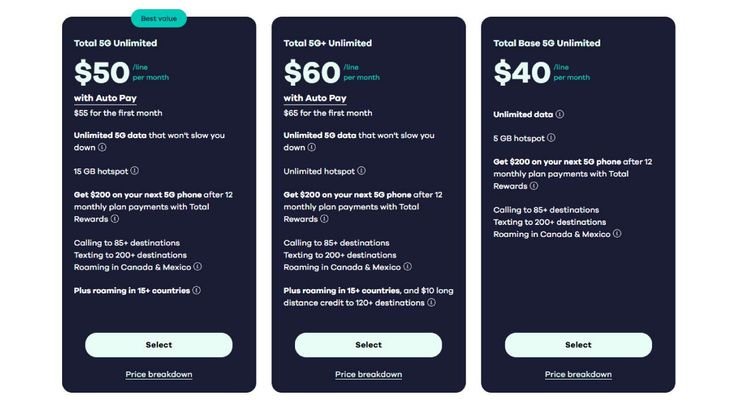
Once you’ve found a few plans that look suitable, take a closer look at the terms. Check data limits, high-speed data policies, hotspot allowances, international usage, taxes, fees and renewal pricing.
It’s also worth considering how easy it is to change plans later. Your phone usage can change over time, so having the flexibility to move to a different data allowance can be useful.
Make the Choice Based on Your Lifestyle
The right prepaid wireless plan isn’t necessarily the cheapest option or the one offering the biggest data allowance. It’s the plan that provides the right balance of coverage, data, features and cost for your everyday life.
Start by understanding your usage, compare the complete price rather than the headline figure and read the fine print before signing up. With a little research, choosing an affordable prepaid phone plan can become a much simpler process — and you’ll be far less likely to pay for services you don’t actually need.