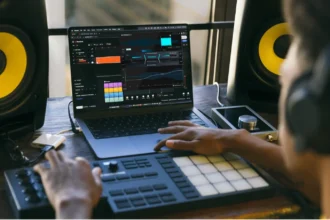


Digital music composition has made creating music more accessible than ever. Whether you dream of producing film soundtracks, electronic tracks, background scores, or original songs, digital tools allow you to turn musical ideas into complete compositions. You no longer need access to a professional recording studio to get started. With a computer, suitable software, and a little creativity, you can begin developing your own music.
- 1. Choose the Right Digital Audio Workstation
- 2. Understand Basic Music Theory
- 3. Explore Virtual Instruments and Sounds
- 4. Start With a Simple Melody
- 5. Build Chords and Harmonies
- 6. Develop Rhythm and Percussion
- 7. Arrange Your Composition
- 8. Learn Mixing and Final Production
- 9. Practise Consistently and Experiment
- Final Thoughts
However, mastering digital music composition requires more than learning how to use software. It involves understanding musical fundamentals, experimenting with sounds, arranging different elements, and refining your productions. Here is a step-by-step guide to help you build your skills.
1. Choose the Right Digital Audio Workstation
The first step is selecting a Digital Audio Workstation (DAW). This software acts as your main creative workspace, allowing you to compose, record, edit, arrange, and mix music.

Some popular options include:
- FL Studio: Suitable for electronic music, hip-hop, and beat production.
- Ableton Live: Popular for electronic composition, sound experimentation, and live performance.
- Logic Pro: Offers a comprehensive collection of instruments and production tools for Mac users.
- GarageBand: A beginner-friendly option for exploring music creation.
Choose software that matches your experience level, budget, and musical interests. Start by learning its basic interface before exploring advanced features.
2. Understand Basic Music Theory
You do not need to become a professional musician to compose digitally, but understanding basic music theory can make the process easier.
Start with musical notes, scales, chords, rhythm, and tempo. Learn how major and minor scales create different moods and how chord progressions provide structure to a composition.
Experiment with simple chord combinations using a virtual piano. Even a basic understanding of these concepts can help you create melodies that sound more organised and expressive.
3. Explore Virtual Instruments and Sounds
One of the biggest advantages of digital composition is access to a wide range of virtual instruments. These include pianos, guitars, synthesizers, orchestral instruments, drums, and atmospheric sound effects.
Most DAWs include built-in instruments and sound libraries. You can also explore additional virtual instruments and plugins as your skills develop.
Experiment with different sounds to understand how they influence the mood of your composition. For example, soft piano sounds may create an emotional atmosphere, while electronic synthesizers can add energy and movement.
4. Start With a Simple Melody
A melody is often the central musical idea of a composition. Begin with a short sequence of notes that expresses the mood or emotion you want to communicate.
You can create melodies using a MIDI keyboard, a computer keyboard, or the piano roll available in your DAW.
Avoid making your first composition unnecessarily complicated. Start with a simple musical phrase, repeat it, and introduce small variations to keep it interesting.
5. Build Chords and Harmonies
Chords provide depth and emotional context to your melody. Once you have created a basic melodic idea, experiment with chord progressions that complement it.
Try different combinations of major and minor chords to explore contrasting moods. You can also add harmonies using strings, pads, backing vocals, or additional instruments.
The goal is to create a balanced arrangement in which every musical element supports the overall composition.
6. Develop Rhythm and Percussion
Rhythm gives your composition movement and structure. Depending on your chosen genre, you can use drums, percussion, electronic beats, or subtle rhythmic patterns.
Experiment with kick drums, snares, claps, hi-hats, and other percussion sounds. Adjust the tempo to suit the atmosphere of your music.
You can also introduce rhythmic variations throughout the composition to prevent repetitive sections from becoming predictable.
7. Arrange Your Composition
A complete composition needs a clear structure. Divide your music into sections such as an introduction, main theme, development, transition, and ending.
Introduce instruments gradually, remove certain layers when necessary, and create changes in intensity to maintain listener interest.
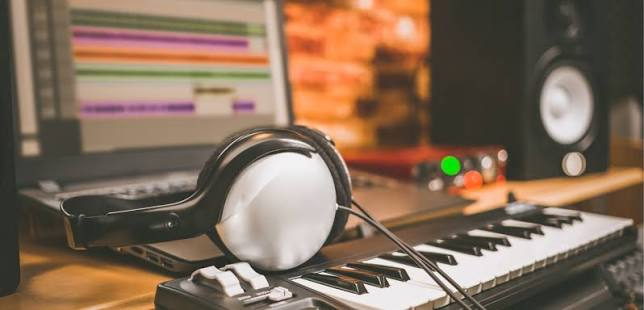
For example, an instrumental track might begin with a simple piano melody, gradually introduce percussion and strings, and finish with a softer closing section.
8. Learn Mixing and Final Production
Once your composition is complete, focus on mixing. Adjust volume levels, panning, equalisation, and effects to help different instruments work together.
Use reverb to create space, delay to add depth, and equalisation to manage competing frequencies. Avoid adding too many effects, as they can make your composition sound cluttered.
Finally, export your music in an appropriate audio format and listen to it using different headphones and speakers.
9. Practise Consistently and Experiment
Improving your composition skills takes time. Set small creative goals, recreate musical arrangements for practice, and explore different genres.
Save your projects regularly and listen critically to your earlier work. Over time, you will become more confident with your software and develop a sound that reflects your creativity.
Final Thoughts
Mastering digital music composition is a gradual process that combines musical knowledge, technical skills, and experimentation. By choosing the right software, understanding basic music theory, exploring virtual instruments, and learning arrangement and mixing, you can turn simple ideas into complete compositions.
Start with small projects, practise regularly, and remain open to trying new techniques. Every composition is an opportunity to learn, improve, and develop your own musical identity.