


Something significant has shifted in how people want their homes to feel. After a decade dominated by staging aesthetics — rooms optimised for how they photograph, furniture chosen for its ability to disappear into a carefully neutralised background — the interiors conversation in 2026 has pivoted decisively toward something older, warmer, and considerably more human. As a response to the growth of AI, there is a renewed appreciation for authenticity and personalisation in our interiors — an embracing of imperfections and a move towards a more collected vibe rather than a predictable, matchy-matchy aesthetic. At the centre of this shift is handmade decor: objects that carry a story, bear the mark of the person who made them, and transform a space from decorated to genuinely lived in.
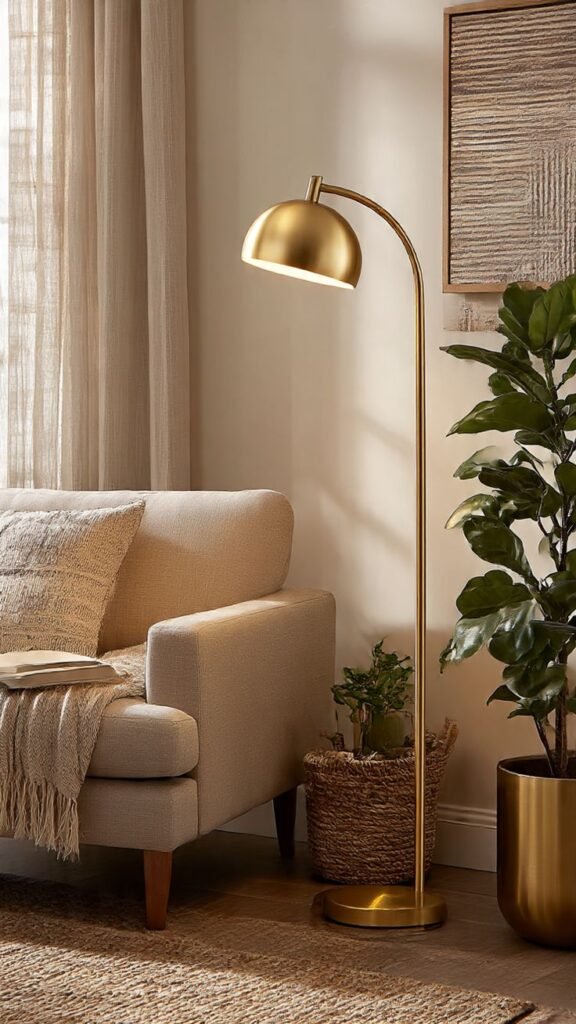
Why Handmade Is the Defining Aesthetic of 2026
The appetite for handcrafted pieces is not a passing trend — it reflects a structural realignment in how consumers think about their homes. Interior designer Amy Sklar describes it as a shift away from “fast” and “cheap” in home design, much like the earlier shift away from fast fashion. “In interiors, this means handmade over mass market and quality over quantity. We are also embracing custom furniture that is built to last and designed to add meaning to the home.” In an increasingly industrialised world, craftsmanship gains value. 2026 celebrates the uniqueness of handmade objects — objects that carry a story, telling of the work and passion of those who created them. Each piece is unique. No two objects are identical. That irreducible uniqueness is precisely what mass production cannot replicate, and it is the quality that the most engaged home decorators are actively seeking in 2026.
Carved Wood: Texture You Can Feel
Wood surfaces are getting more intricate in 2026 interior design trends, and a lot of it comes down to the texture you can feel under your fingers. Fine threaded channels cut into solid timber give even production pieces the look of something carved by hand, while at last year’s major furniture fairs, several makers went further with reclaimed timber scraps arranged into mosaic-style backdrops — the irregular offcuts giving each panel its own grain map with an effect that is unmistakably handmade. Hand-carved wooden panels, sculptural bowls, and wall-mounted timber pieces are among the most impactful additions available for any room, delivering visual depth and tactile warmth simultaneously. Wall decor is becoming more artistic in 2026 — hand-carved wooden panels, textured wall hangings, and unique handmade frames are replacing generic prints, making walls feel alive and personal.
Artisan Pottery and Ceramic Statement Pieces
Designers are prioritising unique, handmade items and incorporating objects that have history and meaning — vintage rugs, antique furniture, artisan pottery, metalwork, stained glass, and handmade tiles — over mass-produced solutions. In practice, this means handcrafted ceramic vessels, irregularly glazed bowls, and sculptural pottery pieces are functioning as room anchors in 2026 — placed on dining tables, kitchen shelves, and entrance consoles not as accessories but as focal points. The curatorial principle is clear: instead of a shelf full of trinkets, choose one exquisite handmade ceramic bowl or a single intricately carved wooden pedestal, treating these items with the same reverence you would a piece of fine art. The restraint makes each piece more powerful.
Bone Inlay, Mosaic Mirrors, and Global Artisan Accents
The accent table is the 2026 craftsmanship trend’s most accessible expression — a single bone inlay side table or accent piece beside a contemporary sofa immediately elevates the room’s aesthetic register. This applies equally to mosaic mirrors, woven baskets used as sculptural storage elements, and embossed metalwork accessories. A perfect 2026 mirror feels a bit wild — a jagged collage of broken ceramic shards and twisted copper wire that reflects the living room like a fractured dream, with irregular shapes that trade symmetry for personality. These are pieces that exist precisely because a machine could not make them — and that distinctiveness is where their value lies.
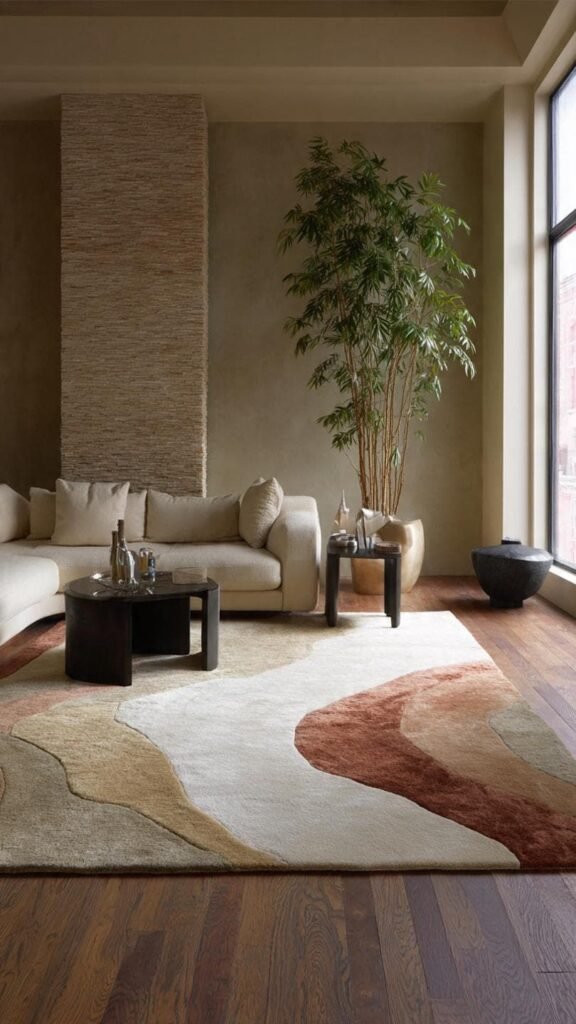
The Rise of Afrohemian and Global Craft Traditions
One of the most extraordinary shifts in 2026 is the rise of Afrohemian design — a breathtaking blend of African heritage and bohemian whimsy that celebrates the unparalleled craftsmanship of global artisans while maintaining a cosy, lived-in feel. To achieve this look, think of walls and floors as a brushstroke in a masterpiece: colourful Nigerian textiles or handwoven Ethiopian wall art alongside crochet patterns and handcrafted decor, with jute, sisal, and raffia as structural elements — a handwoven basket that is not just storage but a sculptural element. This global craft tradition brings depth, cultural connection, and visual narrative into a space in ways that no purely aesthetic trend can match.
How to Integrate Handmade Pieces Without Overwhelming a Space
The key to successfully incorporating handmade decor is restraint combined with intentionality. A single handcrafted piece can elevate an entire space and make it feel collected, not decorated. Pairing handcrafted objects with furniture in clean modern lines and a neutral colour palette makes the handcrafted object stand out. Mixing materials — a handmade ceramic vase on a metal coffee table, a hand-woven blanket on a modern sofa — creates visual interest that makes the space dynamic and personal. The conversation between the handmade and the contemporary is where 2026 interiors look most alive.
After years of stark white and predictable aesthetics, the biggest shift in 2026 is towards soft, warm, and deeply personal spaces — homeowners less interested in following a trend or a design based on resale value, and more interested in homes that reflect their family’s story and personality. Handmade pieces are the most direct route to exactly that — and in 2026, they have never been easier to find, more culturally celebrated, or more clearly the direction that interiors are going.