


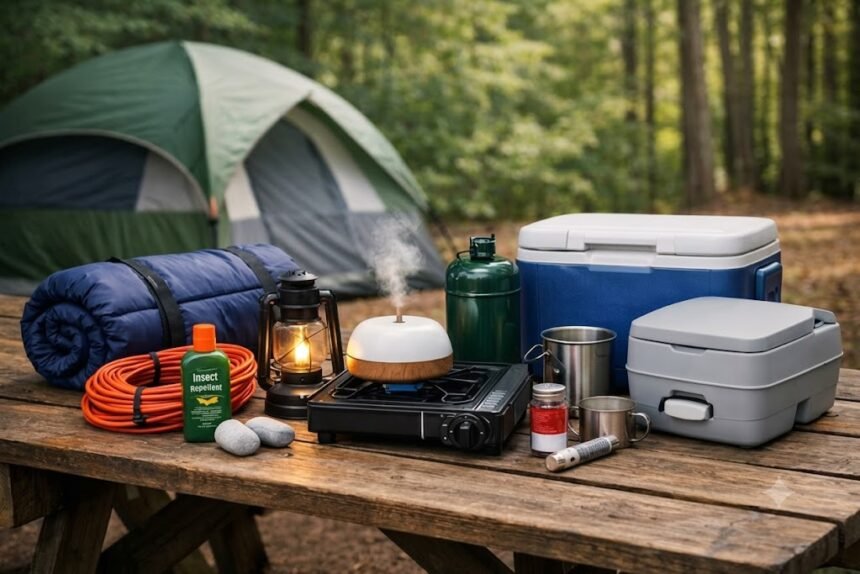
There is a very specific moment during a camping trip when your entire weekend hinges on your preparation. It usually hits around 8:00 PM. The sun has dipped behind the trees, cell service is a distant memory, the temperature takes a sudden dive, and you realize whether your gear choices were brilliant decisions or massive mistakes.
Let’s be honest: spending time outdoors has changed completely. People are tired of crowded tourist traps, packed flights, and overscheduled vacations. We want something real, which is why head-heading into the woods is having such a massive moment. But the wild doesn’t care about good intentions. If you overpack out of anxiety or rely on cheap, flimsy gear, a sudden downpour or a freezing night can turn a dream trip into a miserable survival test.
To help you get out there with total confidence, here is a no-nonsense, realistic guide to the essential camping gear that is actually worth your time and money.
1. The Sleep System: Your Bed Away From Home
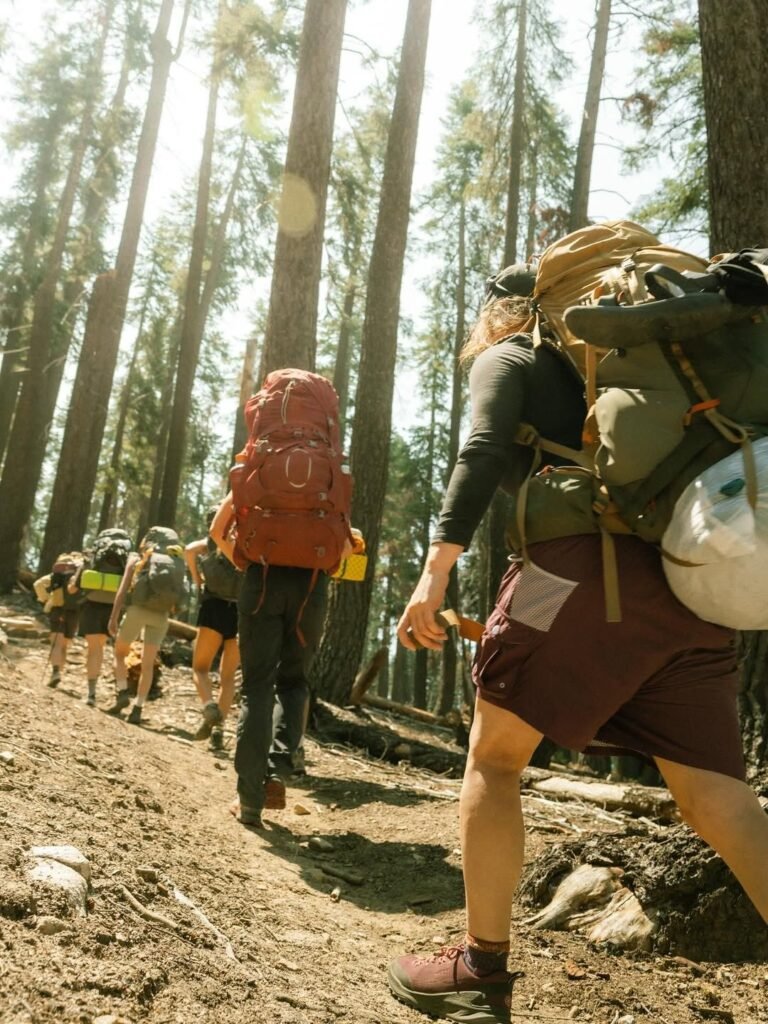
If you don’t sleep well, your camping trip is pretty much ruined before it starts. A great day on the trail or by the lake is entirely built the night before. You need a sleep setup that keeps you warm, dry, and actually comfortable.
- The Shelter: You want a three-season, double-walled tent with a separate rainfly that goes all the way to the ground. Skip the cheap tents with heavy fiberglass poles—they snap under pressure. Aluminum poles are lightweight, sturdy, and won’t buckle when the wind picks up.
- The Sleeping Bag: Here is a golden rule: never buy a bag rated exactly for the weather forecast. If the night is supposed to hit $40^\circ\text{F}$, pack a bag rated for $30^\circ\text{F}$. Your body temperature naturally drops when you sleep, and a little extra warmth is always a blessing.
- The Sleeping Pad: Most people think a pad is just for cushioning your back from rocks and roots. It’s not. Its main job is insulation. Look for a pad with an R-value of 3.0 or higher. Without it, the freezing ground will literally suck the heat right out of your body all night long.
2. The Camp Kitchen: Keeping it Simple and Fueling Up
Cooking in the woods shouldn’t feel like a chore, and you definitely don’t need to survive on cold canned beans. Modern camp kitchen gear is incredibly efficient, lightweight, and easy to use.
- The Stove: If you’re backpacking or hiking into your site, a tiny canister stove that screws right onto a gas pouch is a lifesaver. If you’re car camping with family or friends, a classic two-burner propane stove gives you the space and flame control to cook real meals.
- Water Filtration: Never risk drinking directly from a stream, no matter how pristine and clear it looks. Pack a simple squeeze filter or a gravity bag system. It takes two minutes, removes the bad stuff, and keeps you from getting terribly sick on the trail.
- Durable Cookware: Leave the paper plates and thin plastic bowls at home. A simple set of hard-anodized aluminum pots and pans heats up evenly, cleans up with a quick wipe, and nests together perfectly to save space in your pack.
3. Navigation and Lighting: Don’t Get Left in the Dark
The woods look completely different once the sun drops, and getting lost or fumbling around in pitch-black darkness goes from frustrating to dangerous real quick.
- The LED Headlamp: Throw away your old flashlights. A headlamp is an absolute game-changer because it keeps your hands free. You’ll need both hands to pitch a tent in the dark, cook dinner, or look for firewood.
- The Backup Plan: We all rely on our smartphones for maps, but batteries die and cold weather drains them fast. Download your maps for offline use, but always tuck a physical, waterproof topographic map and a basic compass into your pack just in case.
4. The Backpack: The Foundation of It All
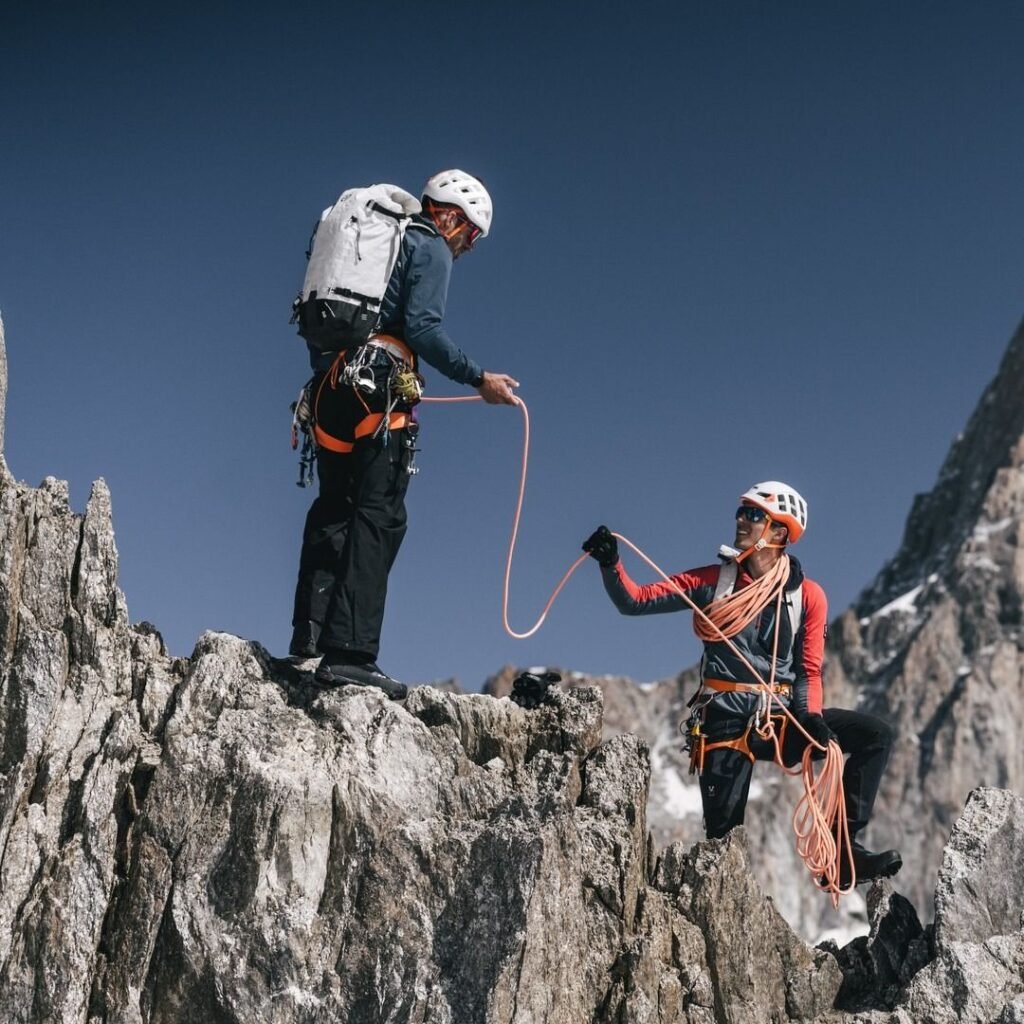
Your gear is only as good as your ability to carry it. If your pack doesn’t fit right, every mile will feel like torture.
When shopping for a multi-day backpack, focus entirely on how the weight sits. A properly fitted pack should carry about 80% of its weight on your hips, not your shoulders. Look for adjustable hip belts and a mesh back panel that lets air circulate—your back will thank you when you’re grinding up a steep incline in the afternoon heat.
The Bottom Line
Camping isn’t about testing your limits or “roughing it” until you’re miserable. It’s about using the right gear to stay comfortable while enjoying the beauty of the outdoors. When you invest in solid, reliable essentials that keep you warm, dry, and fed, you can stop worrying about the logistics and focus on what really matters: looking up at a sky full of stars.
Pack smart, treat the trails with respect, and enjoy the adventure!