



At some point in the last decade, something quietly flipped.
You stopped paying for games. You started paying inside them. And somewhere along the way, the money stopped feeling like money.
That’s not an accident. That’s the whole point.
The oldest trick in the casino playbook — now in your pocket
Walk into any casino in the world and the first thing they do is swap your cash for chips. The psychology behind it is ancient and well-documented: once real money becomes a token, your brain stops treating it with the same weight. The physical act of handing over notes creates a pause — a moment of “do I really want to do this?” Chips eliminate that pause. So do V-Bucks. So do Robux. So do Dragon Shards, Star Crystals, and whatever a game called its own internal currency this season.
When a Fortnite skin costs 1,200 V-Bucks, your brain doesn’t immediately register “$10.” It has to do a second step of arithmetic that most people — adults included — simply don’t bother with mid-session. That conversion friction is deliberate. It’s designed into the system. The spend feels like a game mechanic, not a financial decision.
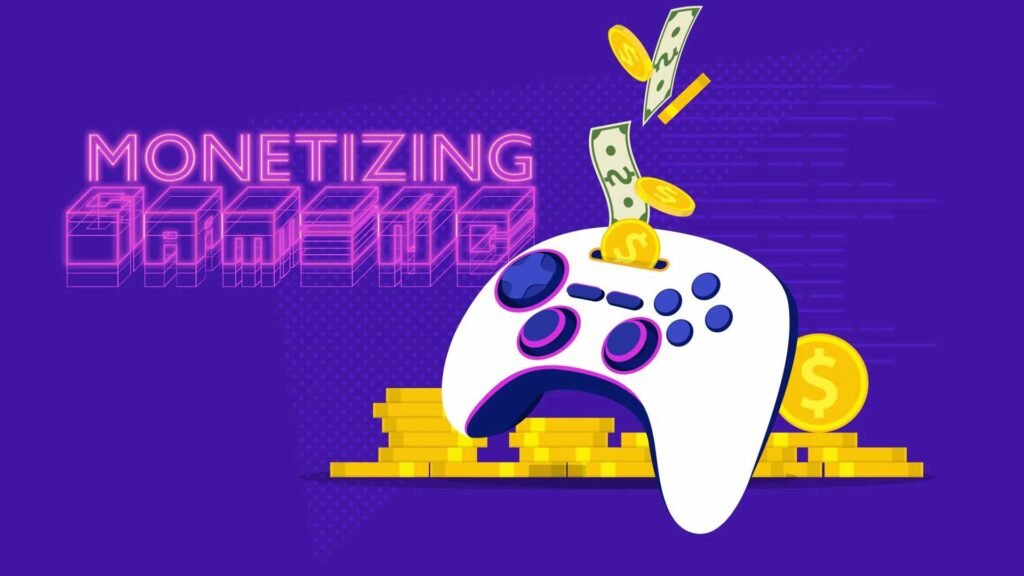
This isn’t a conspiracy theory. It’s the published playbook, and it’s worked spectacularly. Microtransactions generated $121.7 billion in 2025 — representing 77% of all digital game revenue globally. That number didn’t happen by accident. It happened because digital credits made spending feel frictionless, inevitable, and somehow even enjoyable.
Why credits beat cash for players too — not just developers
Here’s the part that gets left out of the “virtual currencies are manipulative” conversation: they genuinely do offer something that cash doesn’t. And that matters for understanding why players adopt them so willingly.
First — accessibility. In markets where credit cards aren’t universal, or where parents won’t hand over a debit card, digital game credits bought via prepaid cards or UPI-linked wallets are how millions of players actually enter the economy of a game. A teenager in Indore or Jakarta can walk into a shop, buy a gift card, and be inside the Roblox economy within minutes. No bank account needed. No awkward conversation about whether they’re “old enough.” The credit exists, and now they’re in.
Second — perceived value. When you spend $9.99 and receive 1,000 Robux, those Robux become the unit of value in your head. You start comparing things to each other — this avatar costs 500 Robux, that one costs 800 — rather than back to dollars. That shift creates a contained economy where the game controls the exchange rate, the inflation, and the desire.
Third — social identity. In Fortnite, how you look is how you show up. That Marvel crossover skin, the limited-edition emote from last season’s battle pass — these are status signals in a space where millions of people spend hours every week. Virtual credits are the access point to that social layer, and for players who live inside these worlds, that layer is genuinely real.
The bundle trick nobody talks about
There’s a structural quirk baked into almost every gaming credit system that deserves more attention than it gets: you can never buy exactly what you need.
Fortnite’s Battle Pass costs 950 V-Bucks. But V-Bucks are sold in bundles of 1,000 or 2,800. You’ll always have leftover currency sitting in your account — not quite enough for the next thing you want, but close enough to feel like you almost don’t need to spend again. So you top up. And the cycle continues.
This isn’t sloppy pricing. Pricing at 999 instead of 1,000, selling bundles that never divide cleanly into the things you actually want — these are deliberate design decisions that keep spending active and balances perpetually slightly low.
What’s actually changing in 2026
The interesting development isn’t that game credits are becoming more popular — they already won that battle years ago. It’s that they’re growing up.
Platform-specific wallets like Steam Wallet, Xbox Credits, and PlayStation Store funds are increasingly interoperable. Roblox’s creator economy lets teenagers build games and earn Robux that can be converted back into actual money — which changes the credit from a pure spending mechanism into something that looks more like a bank account. And games experimenting with blockchain-backed credits are edging toward a world where your in-game currency holds value across titles, platforms, even years.
Digital game credits started as a way for studios to make money feel less real. The trajectory now points somewhere more complicated — toward a world where virtual currency might actually become a real one.
Whether that’s exciting or alarming probably depends on how old you are, and how many V-Bucks you’re currently sitting on.
Do you track what you spend on in-game credits, or does it all just blur together? You’re not alone either way — share your experience below.