



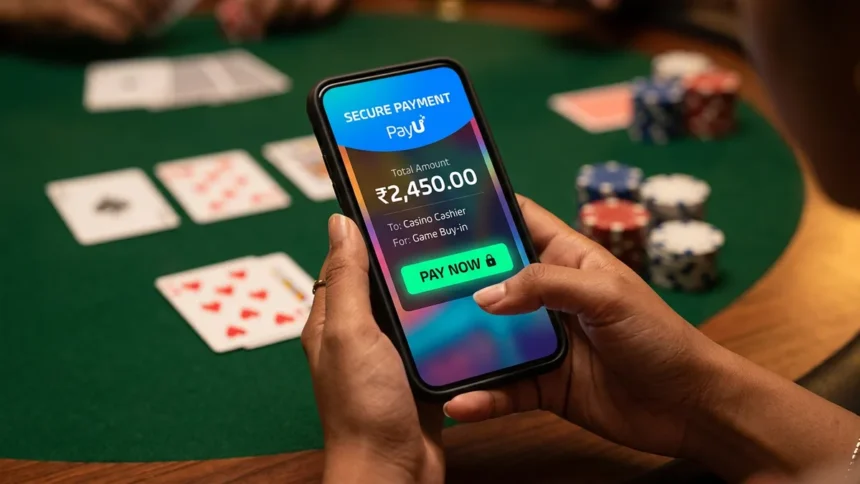
Remember when buying something in a game felt slightly embarrassing? Like you’d somehow lost at the free version of life? You’d minimize the screen, glance around, tap your card details into a tiny mobile form, and pray the transaction didn’t fail halfway through — killing both your momentum and your dignity.
That awkwardness is gone. And the way it disappeared is reshaping not just how we spend money, but how games feel to play.
The payment experience is now part of the game itself
For a long time, the moment you hit a purchase screen in a mobile game, the spell broke. You were suddenly very aware you were holding a phone, not wielding a sword or building an empire. The checkout flow yanked you out of the experience like a fire alarm going off mid-film.
Developers noticed. And over the last two years, the smartest studios have done something subtle but significant — they’ve made paying feel like playing.
In-game stores now mirror the visual language of the game around them. Currencies have names, lore, weight. You’re not spending $4.99; you’re exchanging “Dragon Shards” for an artefact that fits neatly into a world you already believe in. The transaction hasn’t disappeared — it’s just been dressed up well enough that it no longer feels like a transaction.
It sounds manipulative when you describe it coldly. But for players, it often just feels like a better experience.
Speed killed the hesitation — and that changed everything
The deeper shift, though, isn’t cosmetic. It’s mechanical. Payments have gotten so fast that the window of doubt — that half-second where you might reconsider — has basically closed.
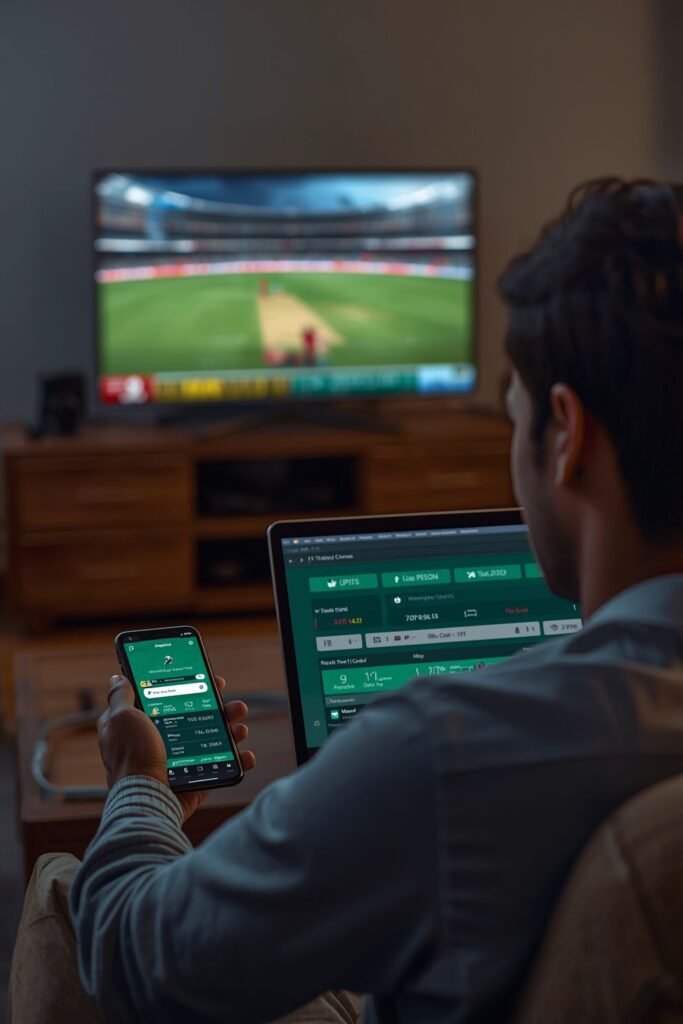
In markets like India, where UPI processes over 640 million transactions daily, topping up a game account through PhonePe or Google Pay takes roughly the same time as skipping an ad. You don’t enter card details. You don’t wait for a confirmation email. You authenticate with a PIN or a fingerprint, and you’re back in the game before the pause menu has time to feel awkward.
Brazil has Pix. Southeast Asia has GCash. Each of these regional payment systems has done the same thing in their own markets — collapsed the gap between “I want to buy this” and “I already did.” For game developers, that gap closing is worth billions. For players, it can feel like the game got smoother overnight.
Battle passes quietly rewired how we think about value
If fast payments changed the mechanics of spending, the battle pass changed the psychology.
Before the battle pass model took hold, in-game purchases were transactional — you paid for something specific, you got it, the interaction ended. The problem with that model, from a developer’s perspective, is that it created a ceiling. Players either wanted something or they didn’t.
The battle pass introduced time. You pay a small upfront amount — rarely more than the price of a coffee — and you unlock a season-long progression system that rewards you for simply playing. Over 60% of top-grossing mobile games in Western markets now use some version of this model. The genius of it isn’t that it extracts more money, though it often does. It’s that it gives players a reason to keep coming back, which in turn makes them feel the purchase was worth it.
When a payment model makes you feel like you won by spending, that’s not an accident. That’s years of behavioural design doing exactly what it was built to do.
The players pushing back — and why it matters
None of this is without friction. A growing number of players — particularly Gen Z — are paying attention in a way that older gaming generations simply weren’t. They read Reddit threads about monetisation practices before they spend. They compare what a game gives free-to-play players versus paying ones, and they’ll abandon a title publicly if the balance feels predatory.
This pushback is genuinely changing studio behaviour. Games like Block Blast built their entire rise to the top of download charts on zero in-app purchases and pure ad monetisation — proof that aggressive paywalls aren’t the only path to revenue. Players voted with their time, and developers noticed.
The relationship between in-game payments and player trust is more visible now than it’s ever been. Studios that get it right — that make spending feel optional, fair, and worth it — are building the kind of loyalty that no advertising budget can buy.
The ones that don’t are learning that lesson the expensive way.
Do in-game purchases enhance your experience or pull you out of it? We’d genuinely like to know — drop your thoughts below.