


If you run an independent boutique or a local shop, you already know that retail in 2026 feels completely different than it did just a few years ago. Customer tastes change in the blink of an eye, foot traffic is tied to whatever is trending on social media, and cash flow is tighter than ever.
For most small shop owners, the hardest part of the job isn’t getting people through the front door—it’s figuring out how to stock the right items at the right time without risking your entire bank account on inventory that might sit in a box for six months.
To compete against retail giants, independent shop owners are fundamentally changing how they buy. Here are the practical, real-world wholesale trends shaping small business retail this year.

1. Ditching the Six-Month Guessing Game
Placing huge seasonal orders six to nine months in advance used to be the standard way to run a shop. You made a very expensive guess about what colors or sizes would be popular next season, crossed your fingers, and waited.
That model is basically dead. Today, smart shop owners are leaning heavily into micro-batch buying.
Instead of ordering a hundred units of a single style upfront, boutique owners are buying in small test runs—sometimes just ten or fifteen pieces. You put them on the sales floor over a weekend, see how real customers react, and use digital B2B reordering to grab more if they sell out. If a design flops, you move on without having to launch a panic discount sale at the end of the month.
2. Leaning on Established Global Brands (The Aldo Effect)
Sourcing unique items from unverified suppliers or random factory catalogs overseas is a gamble that rarely pays off long-term. Shipments get delayed, sizing is inconsistent, and returning defective items is a nightmare.
This is why more independent retailers are forming wholesale partnerships with trusted, globally recognized brands like Aldo.
While most people know Aldo for their standalone mall stores, their wholesale arm gives local boutique owners direct access to their footwear and accessory lines. Partnering with a proven global brand gives small shops a few major advantages:
- Instant Customer Trust: People already know the brand name and quality, which means they don’t hesitate as long at the register.
- Consistent Quality: Sizing and materials are reliable, cutting down on awkward customer returns and complaints.
- Professional Trend Forecasting: Large brands spend millions researching global fashion trends before they happen. Tapping into their seasonal catalogs lets you offer modern, on-trend styles without doing all the expensive market research yourself.
3. Buying Based on Real Data, Not Hunches
A few years ago, inventory buying was mostly done by “gut feeling.” A shop owner went to a trade show, picked what they personally liked, and hoped their customers shared their taste.
In 2026, even the smallest shops are using basic point-of-sale data to guide their wholesale orders. Before placing a new order, smart owners look at what actually sold over the last sixty days—whether that’s a sudden demand for neutral leather totes or comfortable block heels. Ordering based on actual customer behavior rather than personal preference turns inventory over significantly faster.
4. Keeping Backrooms Light with Virtual Stock
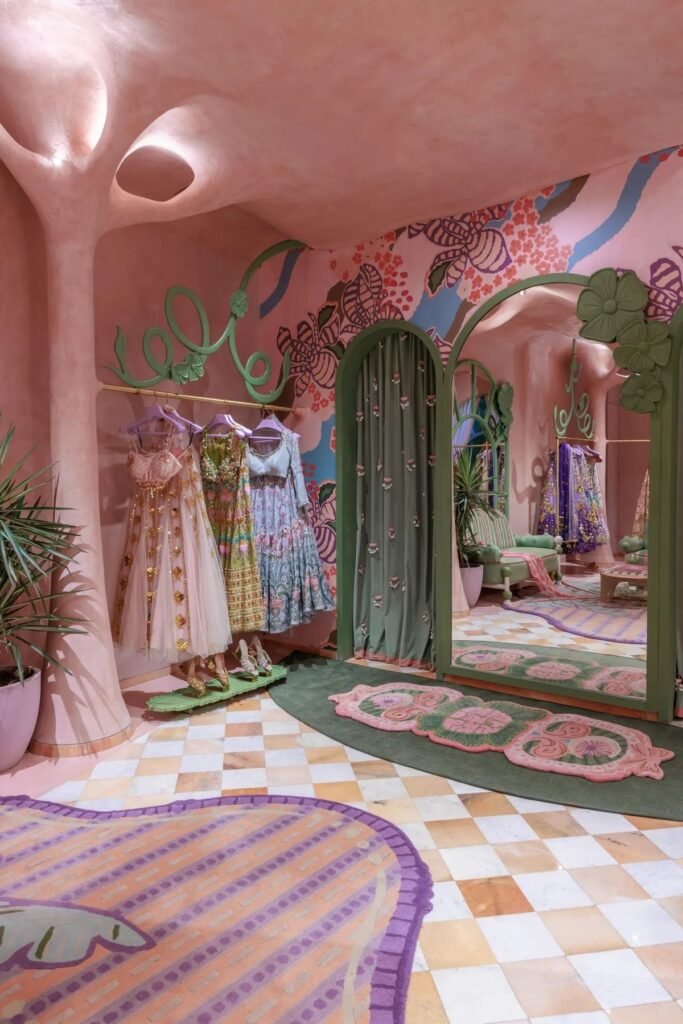
Square footage is expensive, and storage rooms seem to be getting smaller. To save space, a lot of boutiques are adopting a hybrid showroom approach for bigger, higher-priced items like premium leather boots.
You keep a beautifully styled display sample on the floor so customers can touch the leather, check the stitching, and try on a sample size. If you don’t have their exact color or size in the back room, you process the sale at the counter and rely on your supplier’s warehouse network to ship the item directly to the customer’s front door within a couple of days.
You get the sale, the customer gets their exact size, and your backroom stays clean and organized.
The Bottom Line
Thriving as a small retailer in 2026 isn’t about having the biggest stockroom—it’s about staying nimble. By keeping your initial orders small, partnering with reliable brands like Aldo, and using real sales data to guide your buying decisions, you can build a profitable, low-stress retail business that keeps your shelves full of items people actually want to buy.