


For busy households, the 5:00 PM “What’s for dinner?” question often brings a wave of stress. Between managing work deadlines, school drop-offs, and evening activities, getting a wholesome meal on the table can feel like a daily logistical hurdle.
When time and energy run short, parents usually face a crossroads: stick to traditional grocery shopping or subscribe to a weekly meal delivery kit. While meal kits promise effortless convenience, grocery store runs remain the default for budget-conscious families. But when you factor in time, food waste, and midweek takeout, which option actually saves more for your household?
The Time Equation: Minutes Spent vs. Convenience Gained
When evaluating time efficiency, meal kits deliver an undisputed advantage.
Traditional Grocery Shopping: 3 to 5 Hours Weekly
Traditional meal prep isn’t just the 45 minutes spent walking down supermarket aisles. The true time commitment includes:
- Meal Planning & List Writing: 30–45 minutes selecting recipes and auditing the pantry.
- Travel & Shopping: 60–90 minutes traveling, navigating aisles, and waiting in check-out lines.
- Prep & Cleanup: 30–60 minutes chopping vegetables, measuring out sauces, and scrubbing multiple pots daily.
Meal Kit Subscriptions: 1.5 to 2 Hours Weekly
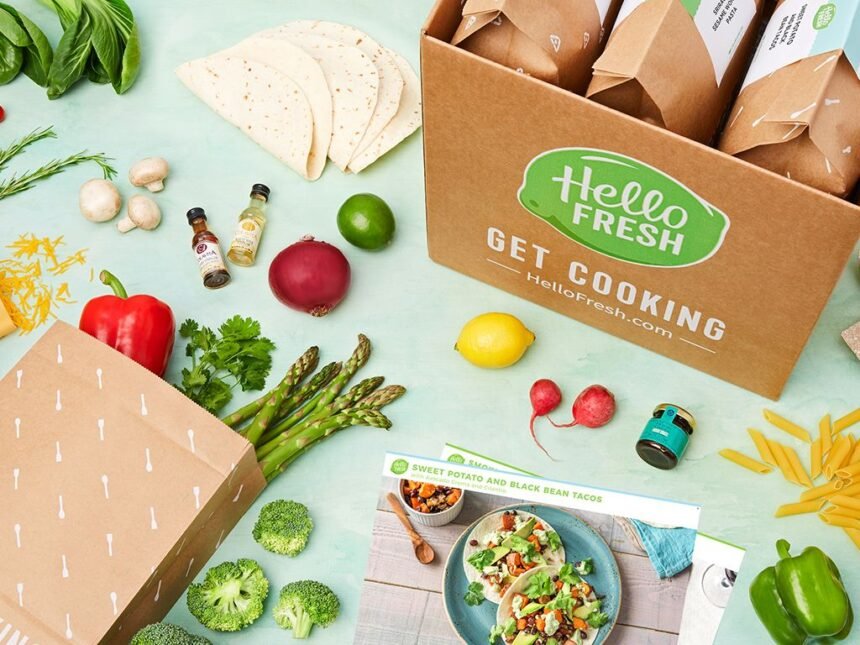
Meal kits eliminate the upfront administrative work. Ingredients arrive pre-measured with clear step-by-step recipe cards, capping active weeknight kitchen time to roughly 20–30 minutes. For working parents, regaining 3+ hours every week provides substantial relief from decision fatigue.
The Financial Breakdown: Upfront Cost vs. Hidden Expenses
Comparing price tags on a purely per-ingredient basis makes grocery store runs look like the clear winner. However, the total financial impact isn’t quite as straightforward.
Grocery Shopping: Lower Sticker Price, Higher Hidden Leakage
Buying raw ingredients at your local supermarket yields a lower per-serving cost, usually averaging $4.00 to $7.00 per plate depending on protein choices and store tiers.
However, standard grocery shopping carries hidden leaks:
- Food Waste: Buying full jars of specialty spices or large produce bundles for a single recipe often leads to wasted ingredients and discarded produce.
- Impulse Purchases: Snack aisle detours and promotional displays regularly inflate checkout receipts.
- Emergency Takeout: When exhaustion strikes mid-week, abandoned grocery plans often result in $40–$60 delivery orders.
Meal Kits: Higher Per-Serving Base, Predictable Costs
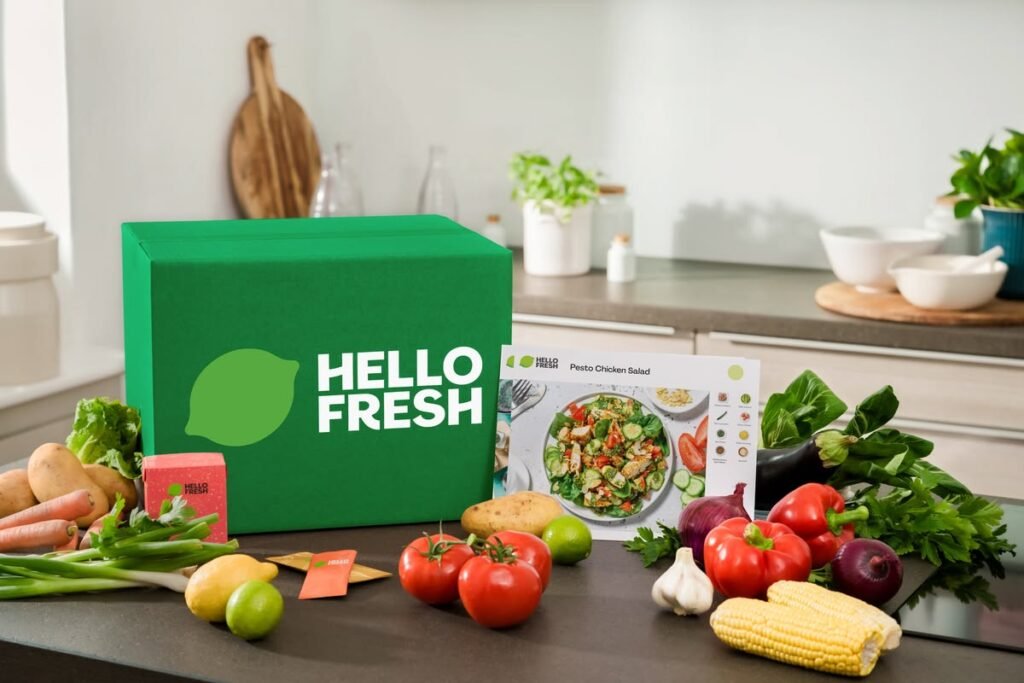
Standard meal kits generally average $8.00 to $13.00 per serving. While the upfront sticker price is higher, meal kits offer fixed, predictable weekly costs. Because ingredients arrive exact-to-recipe, food waste drops close to zero, and the urge to order last-minute takeout decreases significantly.
Comparing the Core Factors
If speed and convenience are your primary friction points, meal kits win hands down. They eliminate decision fatigue, cut down on prep work, and give you back valuable evening hours with your family.
If keeping raw food costs as low as possible is your main goal, traditional grocery shopping is the way to go. Buying in bulk, planning around sales, and choosing versatile whole ingredients will always be the cheapest way to feed a family.
Which Option Is Right for Your Household?
Choosing between meal kits and traditional grocery shopping depends entirely on what your family values most right now.
Choose Grocery Shopping If:
- You operate on a strict, tight food budget where raw ingredient savings outweigh time savings.
- You enjoy meal planning, batch cooking, and buying pantry staples in bulk.
- Your family has picky eaters or dietary restrictions requiring frequent recipe tweaks.
Choose Meal Kits If:
- You consistently throw away unused grocery store produce at the end of the week.
- Midweek fatigue frequently drives you to order expensive restaurant food or takeout.
- You want to reduce dinner stress, try new flavor profiles, and reclaim hours of free time on weeknights.
The Best Strategy: The Hybrid Model
Many busy families find that a hybrid approach works best. Subscribing to a meal kit service for 2 or 3 busier weeknights keeps takeout urges in check, while doing a quick weekend supermarket run for simple breakfasts, school lunches, and pantry staples maintains overall budget balance.