


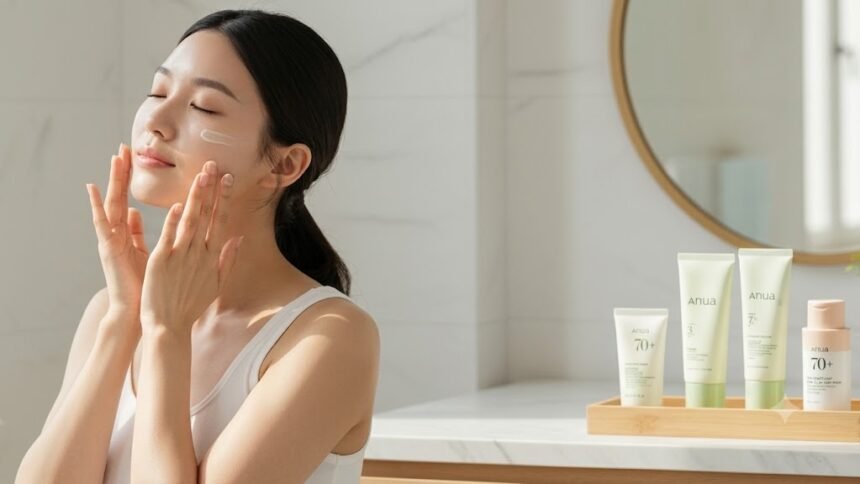
For years, Korean skincare meant one thing to most people outside Korea: ten steps, a shelf full of serums, and the promise of glass-like, poreless skin if you could just keep up with all of it. That version of K-beauty is quietly being retired, even inside Korea itself. What’s replaced it isn’t less effective, it’s more deliberate, built around fewer products, smarter ingredients, and a genuinely different definition of what glowing skin should actually look like.
The Ten-Step Routine Is Officially Out
Korean skincare experts and dermatologists have moved decisively away from the idea that more steps equal better results. The current approach, sometimes called skip-care or intentional maximalism depending who you ask, focuses on four to six deliberate steps, cleansing, hydration, a targeted treatment, and sun protection, rather than layering ten single-purpose products on top of each other. The shift reflects real consumer fatigue with over-exfoliation and ingredient overload, and it tracks with what dermatologists have said for years: skin generally responds better to consistency with fewer, well-chosen products than to sheer volume.
Double Cleansing Still Earns Its Reputation
If one step from the old routine survived the simplification, it’s double cleansing, and for good reason. An oil-based cleanser goes first, dissolving makeup, sunscreen, and the day’s accumulated sebum without stripping the skin, followed by a gentle water-based cleanser that finishes the job. The logic is simple: oil dissolves oil-based buildup far more effectively than water-based cleansers alone, and skipping this step is one of the most common reasons people struggle with both breakouts and dullness despite an otherwise solid routine.
Barrier Health Has Replaced Anti-Aging as the Real Goal
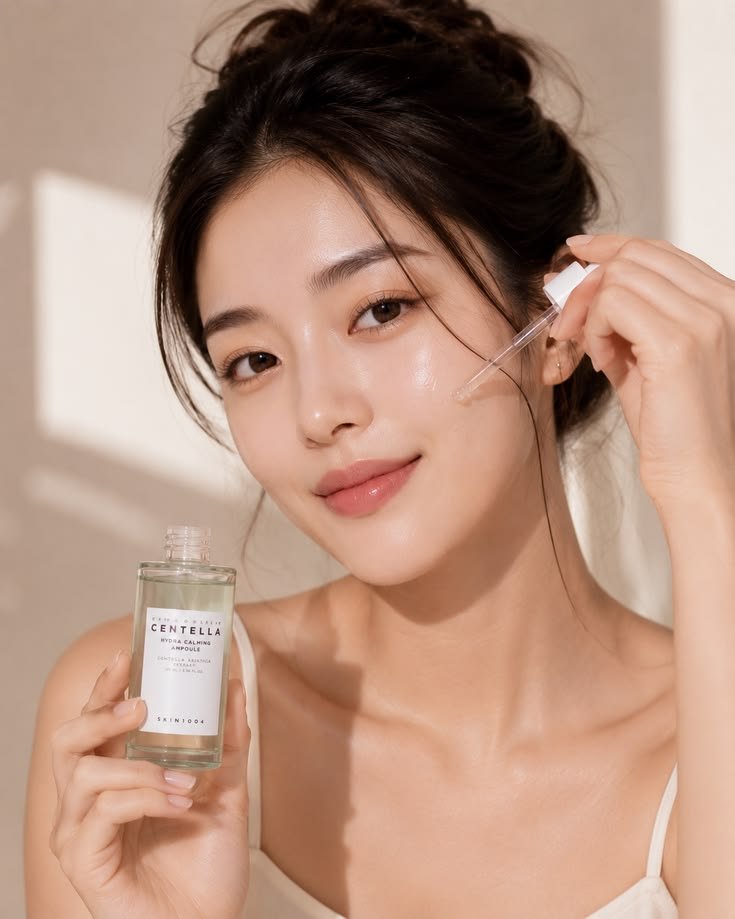
The biggest philosophical shift in Korean skincare right now is the move away from aggressive anti-aging promises toward what’s increasingly called slow aging, prioritizing long-term skin resilience over instant, dramatic results. That shift shows up directly in which ingredients dominate 2026 formulations: ceramides, cholesterol, fatty acids, and panthenol, all chosen specifically because they support and repair the skin’s natural barrier rather than working against it. Centella asiatica, long a staple of Korean formulations, remains central to this approach too, its madecassoside compound helps repair a compromised barrier and calm inflammation, which is part of why cica-based products keep showing up across even the newest product lines.
Glass Skin Has Evolved, and So Has the Goal
The glass skin aesthetic that defined K-beauty’s global rise hasn’t disappeared, but the definition has matured. Rather than chasing a wet, mirror-like shine, the current standard, sometimes described as cloudglow or resilient glow, favors a softer, more dimensional luminosity that looks like it’s coming from healthy skin itself rather than a heavy layer of product sitting on top of it. It’s a meaningful distinction: the earlier version of glass skin was often achieved through heavy layering and, frankly, flattering lighting, while the current approach treats radiance as a byproduct of genuine skin health rather than a filter-friendly finish.
Brightening Has Gotten Smarter, Not Harsher
Where brightening once relied on a single aggressive active pushed hard, current formulations favor layered systems, combining ingredients like alpha arbutin and niacinamide to target melanin production at multiple stages rather than relying on one ingredient to do all the work. This layered approach tends to be gentler and more sustainable for long-term use, an important shift for anyone whose skin has previously reacted poorly to more forceful brightening treatments.
Sunscreen Remains the One Non-Negotiable
Every version of the modern Korean skincare routine, however simplified, keeps one step in place without exception: sunscreen. It remains the single most consistently emphasized product across Korean dermatology, precisely because so much of what people chase with serums and treatments, even tone, reduced fine lines, a genuinely healthy glow, is undone by unprotected sun exposure. Lightweight, cosmetically elegant sunscreen formulas have become something of a Korean specialty in their own right, part of why they travel so well into routines built around barrier health rather than heavy coverage.
What This Means for Building Your Own Routine
The real secret behind Korean skincare’s staying power was never really about ten steps or a shelf full of products, it was consistency, paired with formulations gentle enough to actually sustain daily use. Building a version of this for yourself doesn’t require importing an entire Seoul skincare counter. Start with a proper double cleanse, add a barrier-supporting moisturizer built around ceramides or centella, treat specific concerns with one well-chosen active rather than several competing ones, and never skip sunscreen. Give any new routine four to eight weeks before judging results, genuine skin health, the kind Korean skincare is actually built around in 2026, was never going to happen overnight.