

There is a moment most people have experienced — standing in front of a wardrobe full of clothes with the conviction that nothing in it works for the day ahead. Athleisure, built correctly, eliminates that moment entirely. It is not a trend waiting to expire. The global athleisure market grew from $397 billion in 2024 to a projected $468 billion in 2026 — a compound annual growth rate of nearly 10%, while the broader fashion industry grows at low single digits. Most people wearing these clothes are not wearing them to work out. They are wearing them because performance fabric, considered silhouettes, and the freedom of unrestricted movement have become the baseline expectation for how clothing should feel. Here is how to build an athleisure wardrobe that actually delivers on that expectation, systematically and without waste.
Start With an Audit, Not a Shopping List
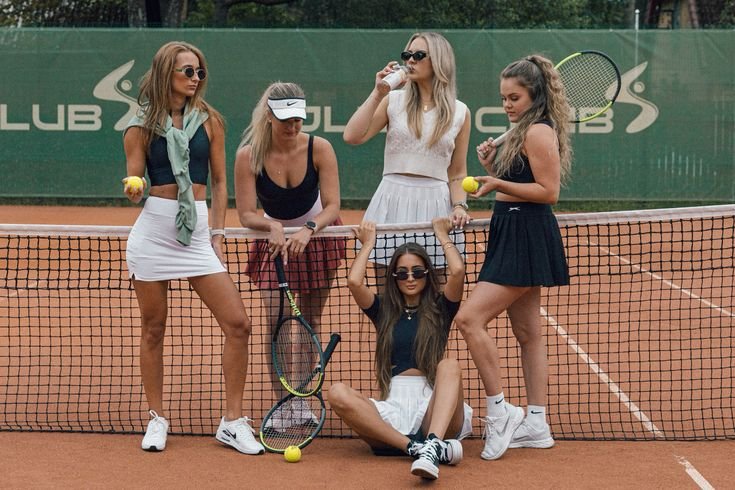
The most common athleisure wardrobe mistake is adding before editing. Before purchasing anything new, separate existing activewear into two piles: gym-only pieces that only function in a workout context, and dual-purpose pieces that can work outside it — opaque high-waisted leggings, quality sweatshirts in clean colourways, matching ribbed sets, and any structured base layers. The dual-purpose pile is your foundation. The gym-only pile stays where it belongs. This audit typically reveals that most people already own more of an athleisure wardrobe than they realise — they simply haven’t applied the right styling logic to what they have.
Build Around a Cohesive Colour System
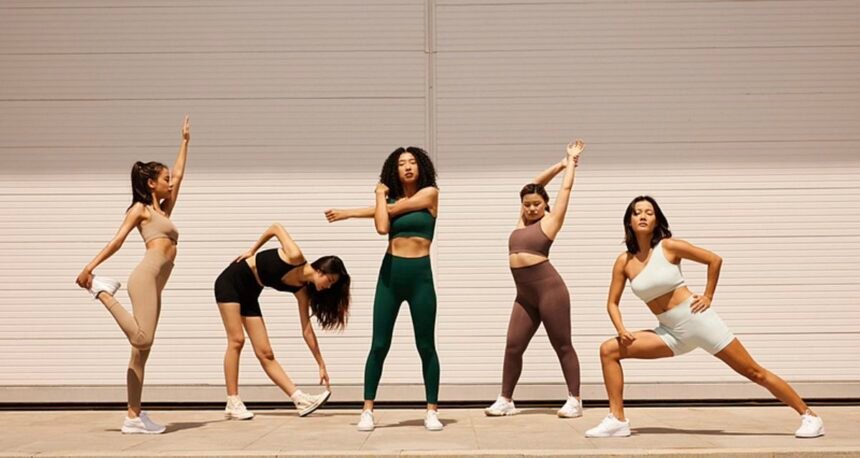
Cohesion is what separates an athleisure wardrobe from a collection of unrelated activewear purchases. Choose one neutral base — black, charcoal, navy, or warm stone — and two accent tones that sit harmoniously beside it, such as cream and olive, or dusty rose and mocha. Every piece should coordinate with at least three others. With four bottoms, five tops, three layers, and three footwear options built around this palette, a 15-piece capsule generates over 180 unique combinations — and filtering out aesthetically weak pairings still leaves between 80 and 100 viable outfits from a wardrobe that fits in a single drawer. Athleisure in 2026 leans heavily into soft pastels, sage green, and warm neutrals for spring, and richer tones — burgundy, forest green, deep navy — for autumn and winter.
The Structured Layer: The Single Highest-Impact Addition
Adding one structured layer is the most transformative styling move available to an athleisure wardrobe. A blazer, trench coat, shacket, or oversized tailored jacket over athletic bases is the single highest-impact addition — it signals intentionality rather than convenience, and converts what would read as gym-ready into something that reads as genuinely styled. In 2026, athleisure has evolved beyond leggings and a tee. It now includes tailored jogger suits, elevated sneaker pairings, sleek windbreakers styled as outerwear, and sports bras worn under blazers. The key is intentionality — looking put-together while staying comfortable. Pair a seamless sports bra with high-waisted wide-leg trousers and throw on an oversized blazer, add mules or loafers and a simple gold necklace, and the result is boardroom-meets-boutique — one of the strongest outfit formulas in the category.
Fabric Is the Non-Negotiable Foundation
The wrong material makes an athleisure outfit look like uncompleted gym wear. The right one adds polish without effort. Four-way stretch blends, cotton-modal mixes, technical performance knits, brushed fleece, ribbed jersey, and breathable mesh all maintain structure, wick moisture, and feel soft against the skin — the combination that makes athleisure pieces genuinely comfortable across long days and varied settings. Oversized pieces on top pair best with more fitted bottoms, while bulkier pants work best with streamlined tops — a proportion rule that holds regardless of specific pieces or seasonal colourway.
Footwear: Designate One Pair for Daily Wear
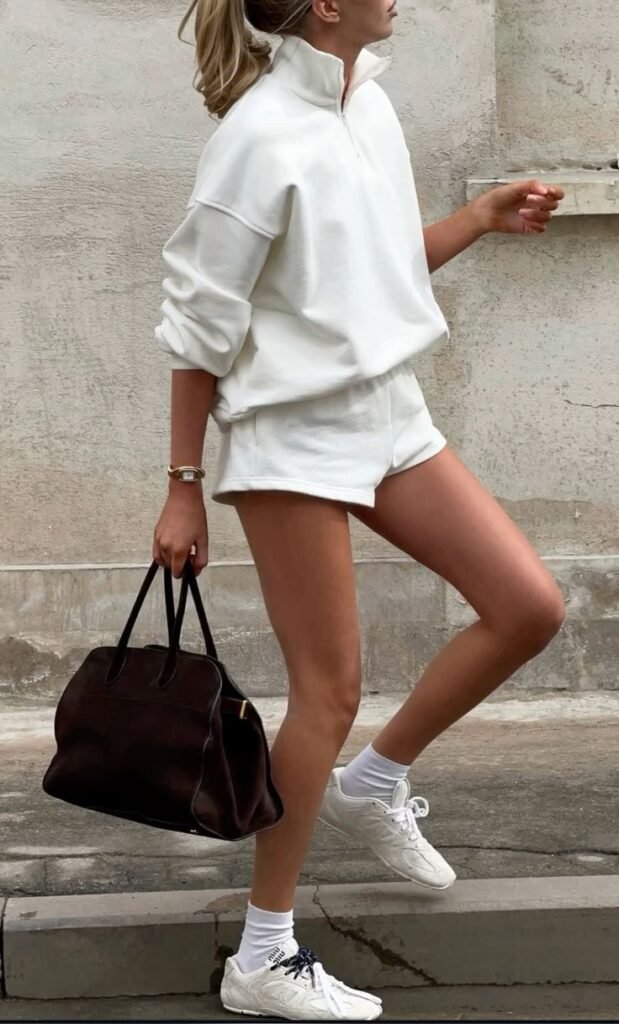
Footwear is the detail that most visibly signals whether an athleisure outfit has been thought through or assembled by default. Designate one pair of clean, non-gym sneakers for daily wear — white leather low-tops are consistently the most versatile option, crossing easily from leggings to wide-leg trousers to athleisure dresses. Minimalist sneakers with a clean profile work universally; chunky sole options and bold colour-blocking make a stronger statement but narrow the pairing options proportionally. Whatever pair you choose, it should be kept clean — worn, dirt-marked gym shoes are the fastest way to collapse the credibility of an otherwise well-considered outfit.
The Three-Piece Swap: Transition Without Changing Everything
The practical daily application of a well-built athleisure wardrobe is the three-piece swap — after a workout or a morning at home, transition to street-ready by changing only the layer, the shoes, and the bag. The base — leggings, a matching set, a performance top — stays the same. Replace the gym bag with a structured tote or crossbody, swap training shoes for the designated daily pair, and add the structured outer layer. The entire transition takes under three minutes and produces a completely different visual result. This is the operational logic that makes athleisure genuinely useful rather than merely comfortable.
Accessories: Small Additions, Large Returns
The right accessories take an athleisure outfit from simple to standout without complicating it. Sleek crossbody bags, baseball caps, and oversized sunglasses add a sporty touch. A classic watch, dainty gold jewellery, or a structured tote polishes things up without abandoning the category’s comfort-first identity. The principle is balance — casual comfort elevated by one or two intentional finishing touches rather than overloaded with accessories that compete with each other. Keep jewellery minimal and intentional. Let the fabric and silhouette do the heavy lifting, and use accessories to direct the tone of the occasion.
Athleisure is not about lowering style standards. It is about expanding what counts as well-dressed — and a wardrobe built around quality basics, a cohesive palette, one structured layer, the right footwear, and considered accessories delivers exactly that, every day, without effort.