


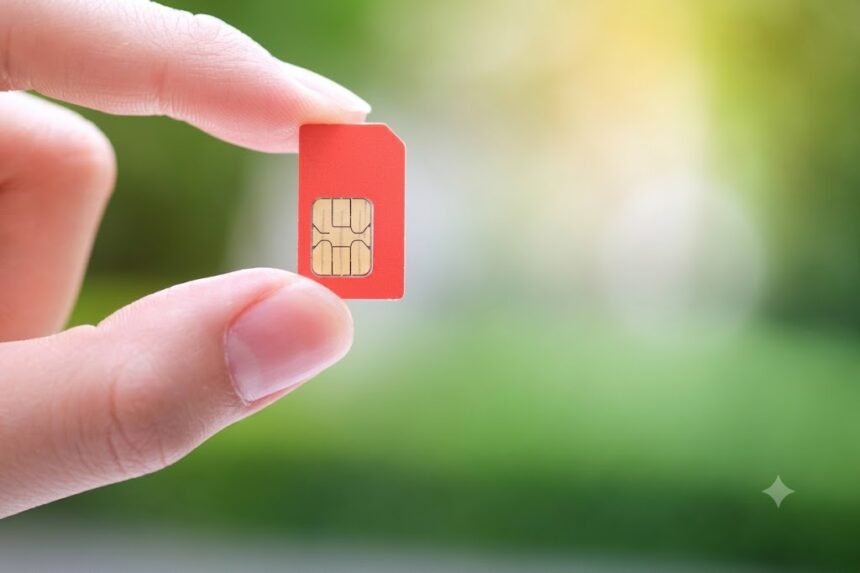
For almost thirty years, connecting a new phone to a mobile network meant doing the exact same ritual: finding a tiny metal paperclip, popping open a plastic tray, and carefully dropping in a chip the size of a fingernail.
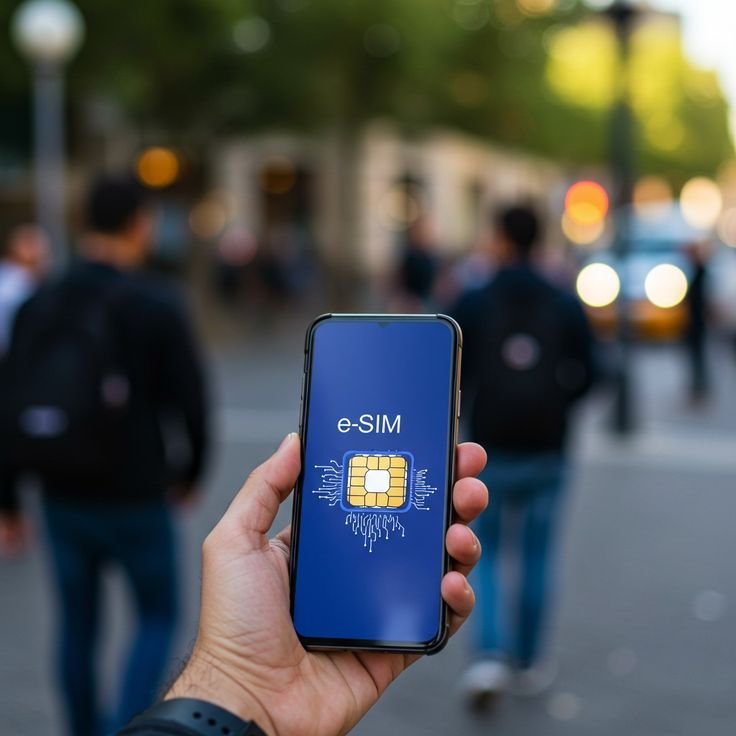
If you’ve bought a smartphone recently, you’ve probably noticed that little ritual is fading away. Embedded SIMs—better known as eSIMs—let you activate a phone plan digitally in about two minutes flat, without ever handling a piece of plastic or waiting for something to arrive in the mail.
Whether you’re looking for a cheaper local plan at home in Australia or trying to avoid massive roaming charges on your next trip overseas, here is how the two options actually stack up in everyday use.
How Digital SIMs Change the Travel Game
If you travel internationally even once a year, switching to a digital profile is pretty much a no-brainer.
In the past, landing in a new country meant one of two things: paying ridiculous daily international roaming fees from your home provider, or standing in a long line at the airport arrival terminal to buy a local plastic SIM card.
With an eSIM, you can buy a local data pack for your destination while you’re sitting at home on your couch. You scan a QR code, install the profile, and turn it on the second your flight touches down. You get local data rates instantly without wasting an hour of your trip hunting down a phone shop.
Even better, because almost all modern phones let you run an eSIM and a physical SIM at the same time, you can leave your normal Australian number active for two-factor authentication texts from your bank while using cheap local data to navigate and call rides. Plus, you never have to worry about dropping that microscopic piece of plastic down an airplane seat crack while trying to swap cards mid-flight.
Why Some People Still Prefer Physical Cards
Despite how convenient digital profiles are, physical cards aren’t going to vanish overnight, and they still have a few real practical perks.
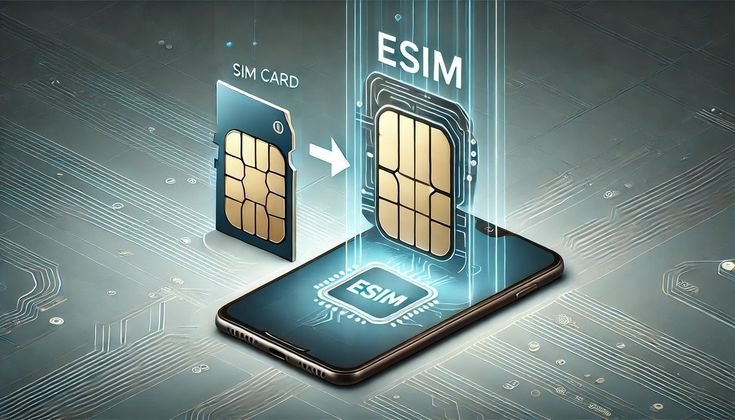
The biggest one is hardware flexibility. If your phone battery dies completely, or if you drop your handset on concrete and shatter the screen, moving a physical card into a backup phone takes ten seconds. You just pop the tray, swap the card, and your number is working on the new device immediately. Transferring a digital SIM to a new phone usually requires a Wi-Fi connection, logging into your provider’s app, or requesting a new activation code.
Physical cards are also still the universal standard for budget phones and older devices that don’t have built-in eSIM chips yet.
Which One Should You Pick?
If you have a fairly recent phone—generally anything made in the last few years—making the switch to an eSIM for your main plan makes life a lot simpler. You can switch to a cheaper prepaid or SIM-only deal instantly online without waiting three days for Australia Post to deliver a starter kit.
And when you do head overseas, having that digital capability built into your phone means you can grab cheap local data packs wherever you land, keeping you connected without the usual travel headaches.