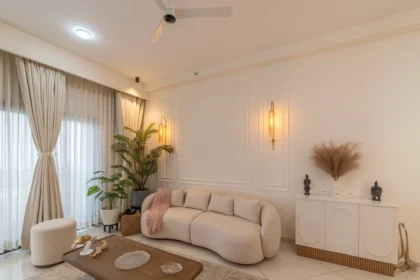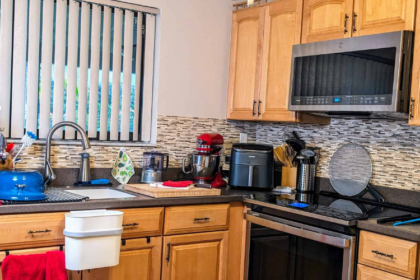


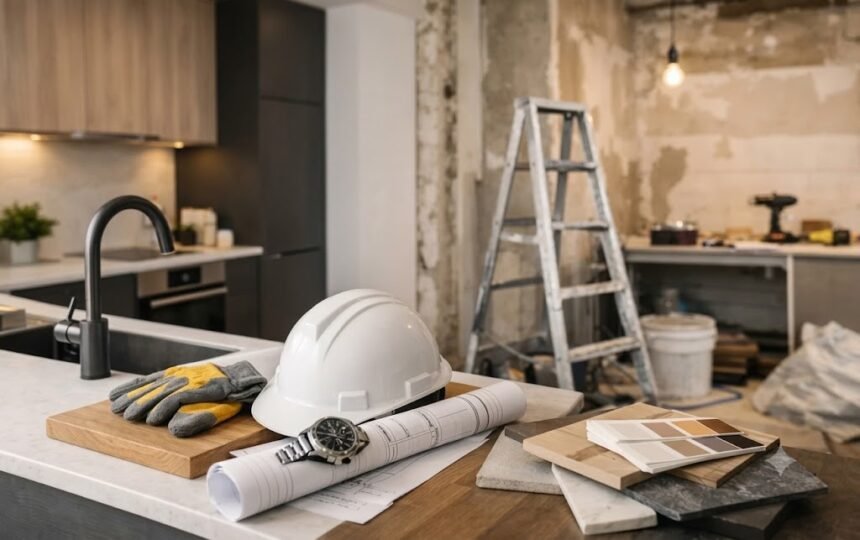
Whenever someone plans a home renovation, 90% of the energy goes into picking out the fun stuff: floor tile, cabinet pulls, quartz countertop slabs, and wall paint.
Then the actual demolition day hits, you rip down the old drywall, and suddenly you’re standing in a cloud of dust needing to buy a couple thousand dollars worth of stuff you’ll never see once the job is finished.
It’s easy to look at things like framing lumber, backer board, and fasteners as boring line items to cheap out on. But if you want a kitchen or bath remodel that doesn’t creak, rot, or leak five years down the road, what goes behind the finished surfaces matters way more than the finishes themselves.
If you’re pulling permits and tearing open walls, these are the unglamorous, behind-the-scenes materials you cannot afford to skimp on.
1. Dimensional Lumber and Solid Subflooring
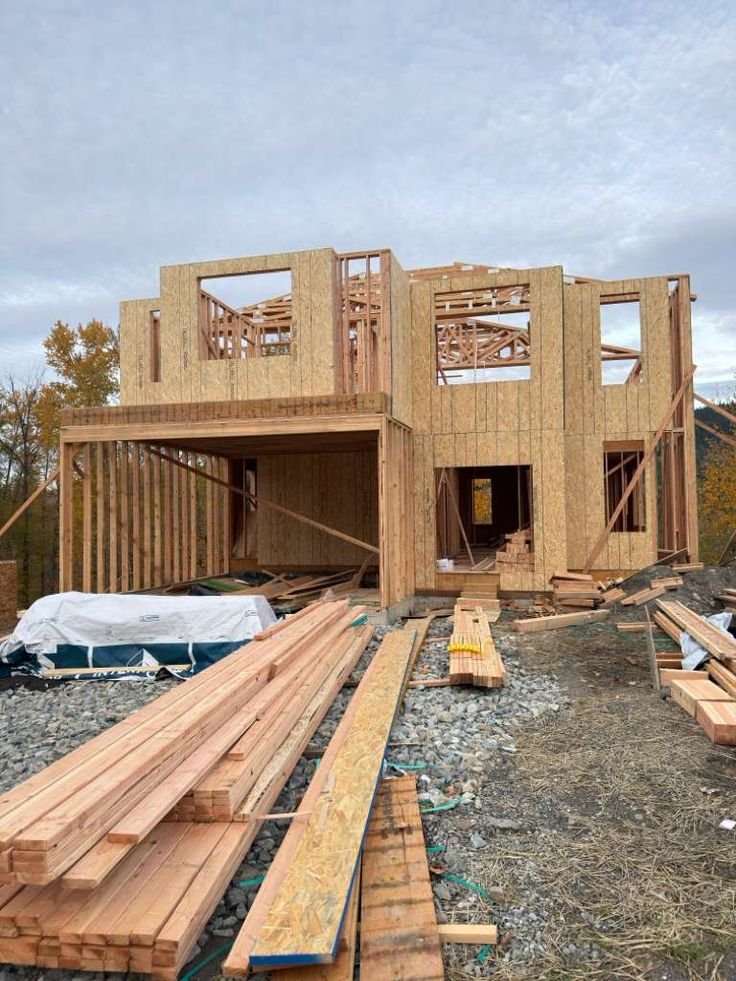
If you’re moving walls, widening doorways, or rebuilding a floor structure, you need clean framing lumber.
Stick to kiln-dried 2x4s or 2x6s for interior partition walls. Buying wet or cheap lumber off the rack might save a few bucks upfront, but as that wood slowly dries out inside your heated house over the first winter, it will twist and bow—cracking your fresh drywall joints and popping your tiles.
For floors, skip cheap OSB sheets if you can and go straight for 3/4-inch tongue-and-groove exterior-grade plywood. When locked together, glued down to the floor joists, and screwed down tight, it gives you a rock-solid, squeak-free base that can handle heavy tubs and tile without flexing.
2. The Right Board for the Right Wall
One of the biggest mistakes DIYers and rushed contractors make is slapping standard white drywall everywhere in the house. Drywall is essentially compressed chalk wrapped in paper—if it gets wet, it turns to mush and grows mold almost overnight.
Match your wallboard to the room’s environment:
- Standard Gypsum Board: Fine for dry spaces like living rooms, bedrooms, and ceilings.
- Greenboard or Purple Board: These have water-repellent coatings built into the core and paper layer. Use them in laundry rooms, behind powder room vanities, and on kitchen walls.
- Cement Backer Board: Non-negotiable for shower walls and tub surrounds. Cement board has zero wood fiber in it, meaning water physically cannot rot it.
3. Real Waterproofing Systems (Not Just Backer Board)
Here’s a dirty secret about tile work: grout and tile are not waterproof. Water easily passes right through tile grout over time.
If you’re building a custom tiled shower, putting cement board on the walls isn’t enough on its own. You need an actual waterproofing barrier applied over top of it before a single tile goes down. Whether that’s a brush-on liquid membrane or a orange sheet system like Schluter-KERDI, making sure your shower pan and lower walls are a watertight box is the only thing standing between you and a destroyed ceiling in the room below.
4. Insulation That Actually Damps Sound
Most people only think about insulation when it comes to exterior walls and energy bills. But when you have the internal walls stripped down to the studs, that is your one golden opportunity to fix sound transfer inside the house.
Instead of basic pink fiberglass batts, look into mineral wool (like Rockwool) for interior partition walls around bathrooms, home offices, and laundry rooms. It’s dense, easy to cut around electrical boxes, fire-resistant, and turns noisy rooms impressively quiet.
5. Construction Adhesive and Specialty Screws
It sounds minor, but how you fasten things together dictates how well the renovation ages.
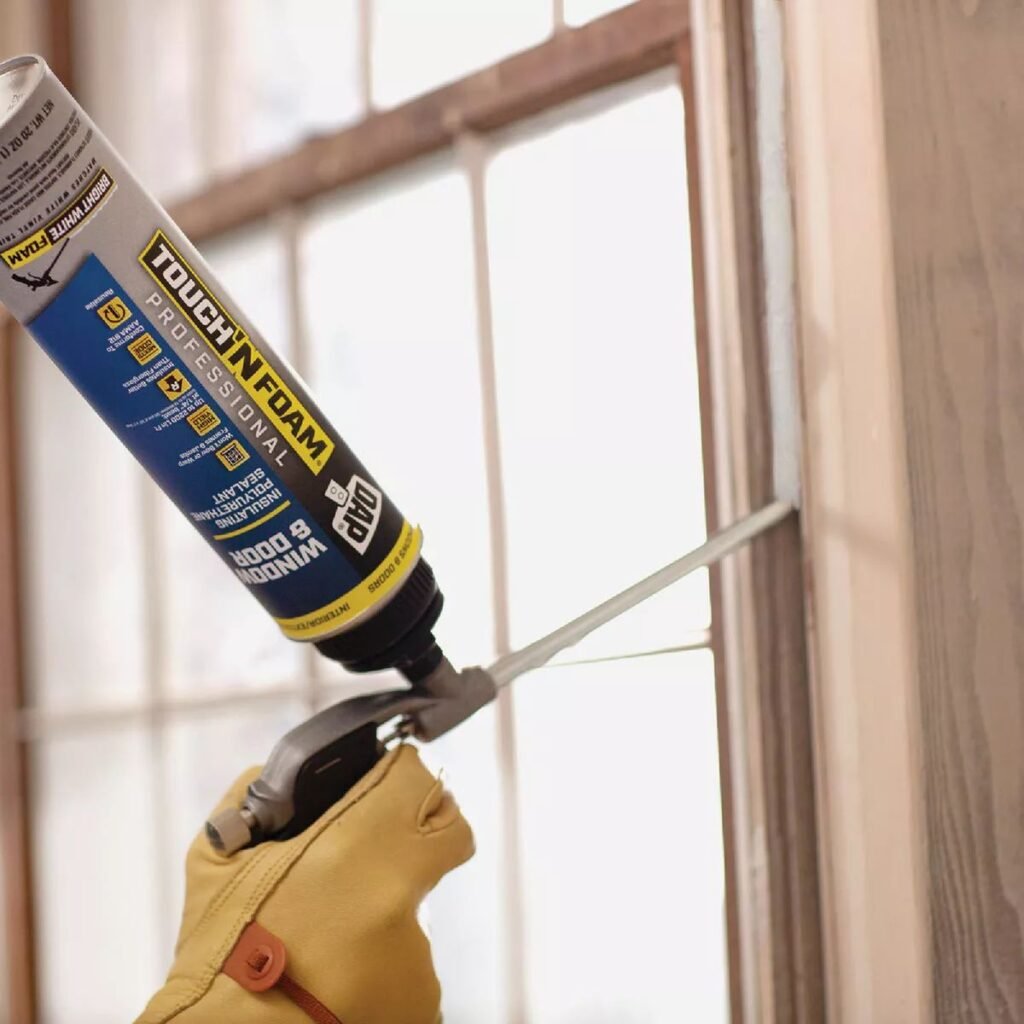
- Subfloor Glue: Never rely on nails alone for subfloors. Applying heavy-duty polyurethane construction adhesive along the top of every floor joist before laying down plywood is what prevents annoying floor squeaks permanently.
- Coated Screws: Use proper drywall screws for wallboard (never wood screws, which break easily), and always use corrosion-resistant or stainless steel screws anywhere near concrete, pressure-treated lumber, or wet bath zones.
- 100% Silicone Caulk: Acrylic caulk is fine for baseboards, but anywhere two different surfaces meet near plumbing (like a tub edge meeting tile), you need 100% silicone. Silicone stretches as the house expands and contracts, keeping the seal watertight instead of drying out and cracking.
The Takeaway
A great renovation should look amazing on the surface, but its real value lies in how solid it feels underfoot and how dry it stays inside the walls. Spending a little extra time and budget on proper lumber, correct backer boards, and solid sealants gives you a space that isn’t just pretty,