

If you walk into almost any living room today, chances are a kid is glued to a screen. Bright colors, fast scene cuts, and non-stop animation do a phenomenal job of holding attention, but they also do almost all the heavy lifting for a child’s brain.
When every dragon, castle, and space alien is rendered in high-definition video, kids don’t actually have to imagine anything. They just sit back and consume.
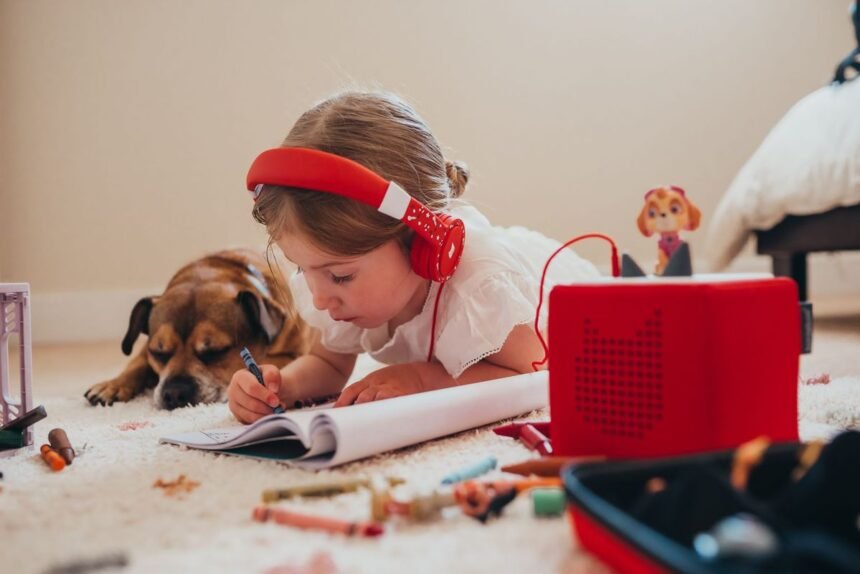
That’s why audio stories—whether through audiobooks, children’s podcasts, or audio plays—are making such a massive comeback. By stripping away the screen, listening forces kids to do something video games and cartoons never ask of them: build the world inside their own heads.
If you’ve been looking for a screen-free way to keep your kids entertained, here is why listening to stories is quietly one of the best things you can do for their learning and imagination.
1. It Exercises the “Mind’s Eye”
When a child watches a cartoon, the director makes every visual decision for them. They decide what the hero looks like, how big the monster is, and how fast the spaceship flies.
Audio flips that balance completely.
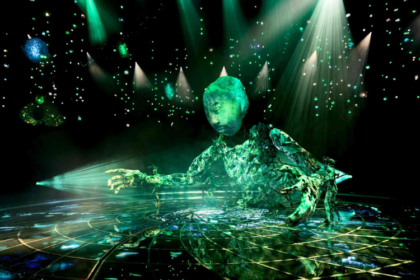
When a voice actor describes a “dark, whispering forest filled with glowing blue mushrooms,” your child’s brain instantly goes to work. They have to pull from their own memories, emotions, and ideas to build that forest in their head. Scientists call this mental visualization the “mind’s eye,” and it’s the exact same cognitive muscle used later in life for complex math, creative problem-solving, and spatial design.
2. Kids Understand Far More Than They Can Read
Here’s something most parents don’t realize: a child’s listening comprehension level is usually way higher than their reading level.
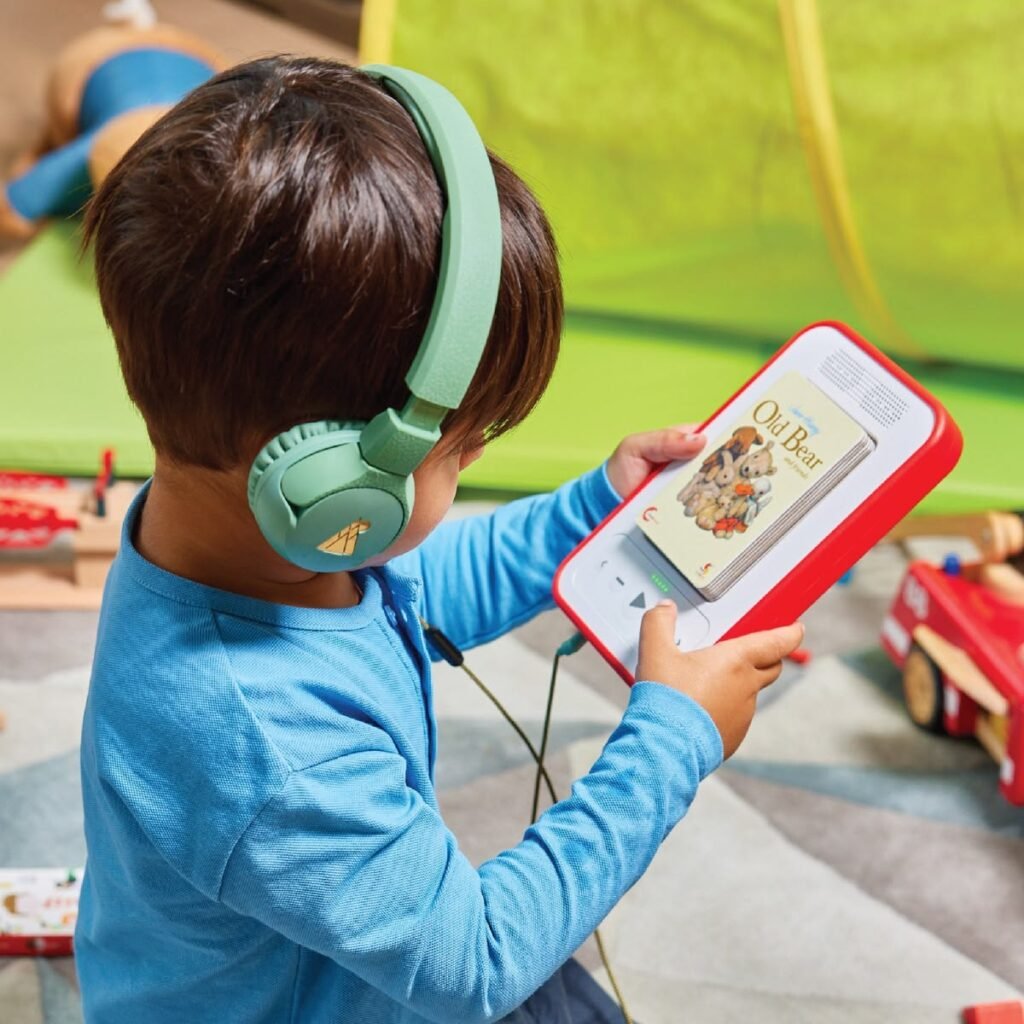
A six- or seven-year-old might struggle to sound out big words on a printed page, but if they hear those same words spoken naturally in a story, they get it immediately. Hearing words like formidable, mischievous, or peculiar used in the context of an exciting plot helps kids build a rich vocabulary without feeling like they’re studying for a spelling test.
Plus, hearing voice actors use tone, emphasis, and pauses teaches kids how language actually flows—making them much more confident when they sit down with physical books.
3. It Builds Focus in a Distracted World
Fast-paced cartoons rely on quick cuts every two seconds to keep kids from looking away. Over time, that kind of rapid stimulation makes it really hard for a child to sit still, listen to a teacher, or focus on a single task.
Audio stories teach patience. Without flashes of light or visual gimmicks to rely on, kids have to pay attention to subtle voice changes and background sound effects to follow what’s happening. Practicing that kind of intentional, active listening builds real mental stamina that pays off in the classroom and in life.
4. It Makes Screen-Free Time Effortless
The hardest part of cutting back on screen time is figuring out what to do during long car rides, rainy afternoons, or the crazy hour right before dinner.
Audiobooks and podcasts bridge that gap perfectly. They give kids the immersive story experience they want without the overstimulation, eye strain, or post-screen meltdowns. Turning on a calm audiobook during a road trip or at bedtime helps settle a child’s nervous system instead of revving it up.
5. It Teaches Emotion and Empathy
You can learn a lot from a person’s voice. When kids listen to audio stories, they aren’t just following a plot—they are tuning in to vocal shifts: a crack in a character’s voice when they’re sad, a quick gasp when they’re scared, or a quiet whisper when they’re hiding.
Picking up on these tiny vocal cues helps children understand complex emotions in a real, human way. It builds emotional intelligence and empathy long before they even have the words to describe those feelings themselves.
The Takeaway
Audio stories aren’t just a convenient distraction for long car rides—they are a high-value workout for a child’s brain. By asking kids to listen closely and picture the story for themselves, audiobooks lay a rock-solid foundation for creativity, focus, and a lifelong love of great storytelling.