



Europe is one of the best destinations for travelers who want to explore multiple cities in a single trip. From the romantic streets of Paris to the historic charm of Prague and the vibrant culture of Barcelona, traveling between cities is easier than ever. The good news? You don’t need a huge budget to make it happen. With a little planning and the right travel choices, budget-friendly intercity travel in Europe is completely achievable.
Here’s how you can save money while making the most of your European adventure.
Plan Your Route Before You Book
One of the biggest mistakes travelers make is booking transportation without planning their overall route. Before purchasing tickets, map out the cities you want to visit in a logical order. This helps reduce travel time, avoids unnecessary backtracking, and often lowers transportation costs.
A well-planned itinerary can also help you find better deals on buses, trains, and accommodation.

Book Early for the Best Prices
Whether you’re traveling by bus or train, booking in advance is one of the easiest ways to save money. Many transport providers offer discounted fares for early reservations, especially on popular routes between major European cities.
If your travel dates are flexible, try traveling during weekdays or outside peak tourist seasons, when ticket prices are generally lower.
Consider Buses for Affordable Travel
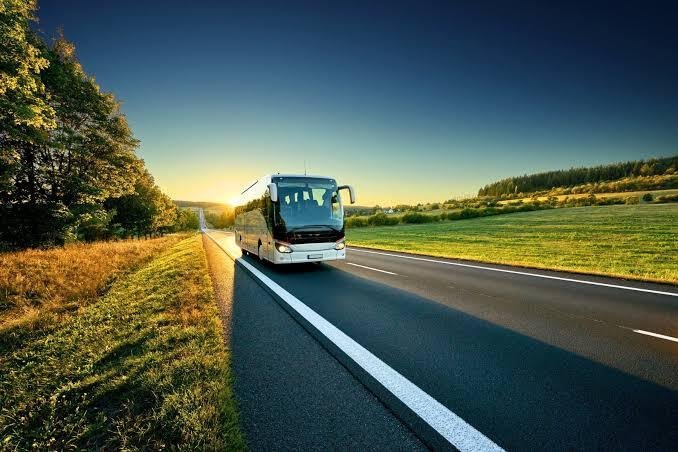
While high-speed trains are popular in Europe, intercity buses are often the most affordable option. Modern buses offer comfortable seating, free Wi-Fi, charging ports, and generous luggage allowances, making them an excellent choice for budget-conscious travelers.
For shorter and medium-distance routes, buses can provide outstanding value without compromising comfort.
Travel Light to Avoid Extra Fees
Packing efficiently can save both money and hassle. Many transport companies have baggage policies, and traveling with a lightweight backpack or small suitcase helps you avoid additional charges.
Packing only what you need also makes it easier to move between stations, hotels, and public transport.
Use Overnight Travel When Possible
If you’re traveling between cities that are several hours apart, overnight buses or trains can help you save on accommodation costs. Sleeping while you travel means you’ll wake up in your next destination, giving you more time to explore and reducing one night’s hotel expense.
Just be sure to carry a neck pillow, eye mask, and light blanket for a more comfortable journey.
Compare Prices Before Booking
Don’t settle for the first ticket you find. Compare routes, departure times, and travel options before making a reservation. Sometimes a slightly different departure time or nearby station can significantly reduce the ticket price.
Taking a few extra minutes to compare options can lead to substantial savings over the course of your trip.
Travel During Off-Peak Seasons

Europe is busiest during the summer months and major holidays, when transportation and accommodation prices are at their highest. Visiting during spring or autumn often means lower fares, fewer crowds, and a more relaxed travel experience.
You’ll also have a better chance of enjoying popular attractions without long queues.
Final Thoughts
Planning budget-friendly intercity travel in Europe doesn’t mean sacrificing comfort or memorable experiences. By booking early, choosing affordable transportation, packing smart, and traveling during quieter seasons, you can explore more destinations while staying within your budget.
Whether you’re backpacking across Europe, planning a family holiday, or taking a solo adventure, smart planning can make every journey more enjoyable and cost-effective. With countless cities connected by reliable bus and rail networks, Europe is the perfect place to travel farther, spend less, and create unforgettable memories along the way.