



Renting a car can transform a good trip into a great one — the freedom to leave on your own schedule, stop wherever the road looks interesting, and reach places no tour bus ever bothers with. But walk up to the wrong counter with the wrong booking, and that freedom quickly turns into an unexpected bill or an uncomfortable ride. Choosing the right rental car isn’t complicated, but it does require asking a few deliberate questions before you click confirm. Here’s how to get it right.
Start With the Trip, Not the Car
The most common rental mistake is picking a car based on price or familiarity rather than the actual demands of the journey. A compact city car might be perfect for navigating urban streets in Europe but completely wrong for a gravel road through a national park in Iceland. Before looking at any vehicle categories, map your trip: Are you driving long highway stretches or short city hops? Will you be parking in tight urban garages? Does the route include unpaved terrain, steep gradients, or mountain passes? Answering these questions first eliminates half the options immediately, and keeps you from paying for a car that doesn’t match where you’re actually going.
Match the Vehicle Category to Your Group Size and Luggage
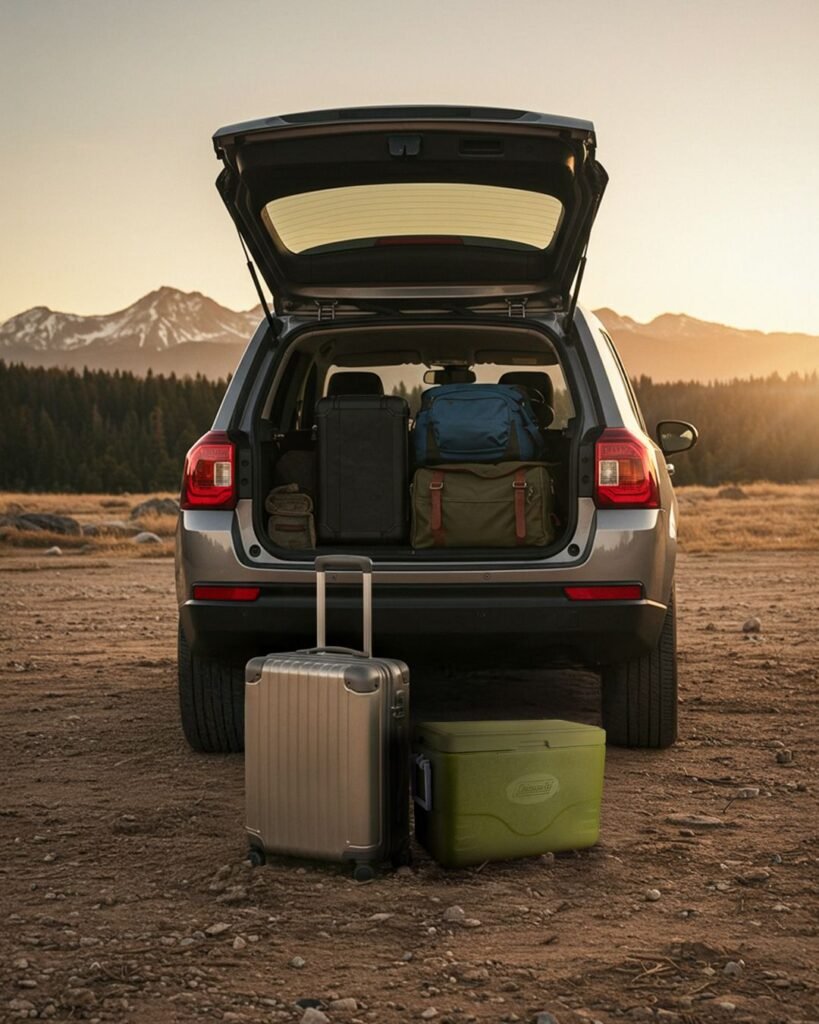
Rental categories — economy, compact, mid-size, SUV, estate — exist for a reason, and the gap between them matters more than it looks on a spec sheet. A compact car rated for four passengers often struggles with four adults and four full-sized suitcases, particularly on longer drives. A rule of thumb worth following: if you have more than two people with full luggage, size up at least one category. Families or groups travelling with large bags should look seriously at estate (wagon) models or SUVs, which offer boot space that sedans can’t match without sacrificing passenger comfort.
Understand Transmission Preferences and Local Norms
In North America, automatic transmission is the standard and manual availability can be limited. In Europe, the reverse has historically been true — manual is the default, and automatic rentals carry a premium. If you’re not comfortable with manual driving, confirm your booking explicitly specifies automatic, and expect to pay slightly more. This sounds minor but catches a surprising number of travellers off-guard at the pick-up counter, particularly when crossing from one continent’s rental norms to another’s.
Factor in Fuel Type and Local Infrastructure
Diesel, petrol, hybrid, and electric options are all increasingly available through rental fleets, but each carries different considerations depending on where you’re driving. Electric vehicles make excellent sense for city trips in countries with dense charging infrastructure, but require more planning on rural or remote routes where charging stations are sparse. Diesel carries fuel economy advantages on long highway drives but can be restricted in some city low-emission zones. Understand the fuel type before collecting the car — filling a diesel with petrol (or vice versa) is an expensive mistake that rental insurance rarely covers.

Read the Insurance Coverage Carefully
Rental insurance is where a straightforward booking can become unexpectedly costly. Most standard bookings include basic collision damage waiver and third-party liability, but excess amounts — the out-of-pocket cost you bear in the event of damage — can run into hundreds or even thousands. Supplemental coverage through the rental company eliminates the excess but adds to the daily rate. Some travel credit cards and travel insurance policies already include rental cover, which can make the add-on redundant — checking this before you travel, rather than at the counter under pressure, can save you a meaningful amount.
Don’t Overlook Mileage Caps and Cross-Border Rules
Many rental agreements include daily or total mileage caps, particularly on lower-rate bookings — exceeding them triggers per-kilometre charges that can be steep. If your trip involves long-distance driving, confirm the booking offers unlimited mileage. Similarly, if you plan to cross international borders, notify the rental company in advance; many standard agreements prohibit cross-border travel, and driving into a restricted country without approval can void your coverage entirely.
The right rental car isn’t just the cheapest available option — it’s the one that fits your route, your group, and the driving conditions you’ll actually face. Get those variables right first, and the rest of the booking follows logically.