

A Complete Guide to Planning Comfortable Intercity Bus Trips
There is a persistent myth about long-distance bus travel that refuses to die quietly. It goes something like this: bus journeys are uncomfortable, unreliable, and best avoided unless absolutely necessary. For anyone who has not stepped onto a modern intercity coach recently, that image tends to stick — hard plastic seats, cramped legroom, fluorescent lighting, and a vague sense that the journey will take twice as long as it should.
- A Complete Guide to Planning Comfortable Intercity Bus Trips
- Choose Your Route and Departure Time Deliberately
- Pack the Right Things for the Journey
- Make the Most of the Onboard Experience
- Comfortable Travel Is a Choice
- Book Early and Watch the Price Drop
- Travel Off-Peak and Save Immediately
- Use Discount Programmes Greyhound Already Offers
- Pack Smart to Avoid Extra Fees
- The Honest Truth About Bus Travel Savings
The reality in 2026 looks quite different. Intercity bus travel, particularly with Greyhound, has evolved significantly — and travellers who approach it with even a basic level of preparation consistently report journeys that are not just tolerable but genuinely enjoyable. The difference between a comfortable bus trip and an uncomfortable one almost always comes down to planning. This guide covers exactly that.

Choose Your Route and Departure Time Deliberately
The first decision that shapes your entire journey is also the one most people make too quickly. When booking a Greyhound ticket, the route and departure time you select matter far more than most travellers realise. Direct routes with no transfers are almost always preferable for comfort and predictability — fewer stops mean less disruption, more consistent sleep if travelling overnight, and a significantly lower chance of delays compounding across connections.
Departure timing is equally important. Daytime routes offer the advantage of scenery — and America has extraordinary scenery worth watching. Overnight routes trade that for the practical benefit of arriving refreshed at your destination, having effectively slept through a journey that might otherwise feel long. For trips exceeding six hours, overnight travel is genuinely worth considering. You save a night’s accommodation cost at the same time, which is a bonus most first-time bus travellers do not anticipate.
Pack the Right Things for the Journey
The gap between a comfortable long-distance bus journey and an exhausting one often comes down to what is in your bag before you board. A travel neck pillow is non-negotiable for anything over four hours — the difference it makes to sleep quality and neck comfort is dramatic. A lightweight blanket or large scarf serves double duty as warmth during air-conditioned overnight stretches and as a makeshift pillow when needed.
Noise-cancelling headphones or a reliable pair of earbuds transform the journey entirely. Whether you are working through a playlist, listening to a podcast, or simply blocking out ambient noise to sleep, they are worth every penny of the investment. A fully charged power bank matters too — Greyhound coaches have power outlets at every seat, but having a backup removes any anxiety about battery life across a long route.
Snacks deserve more attention than most travellers give them. Bus stops vary enormously in food quality and price, and hunger has a way of making any journey feel longer than it is. Packing a small selection of familiar, easy snacks — nothing that requires refrigeration or produces strong smells — is one of the simplest comfort upgrades available.
Make the Most of the Onboard Experience
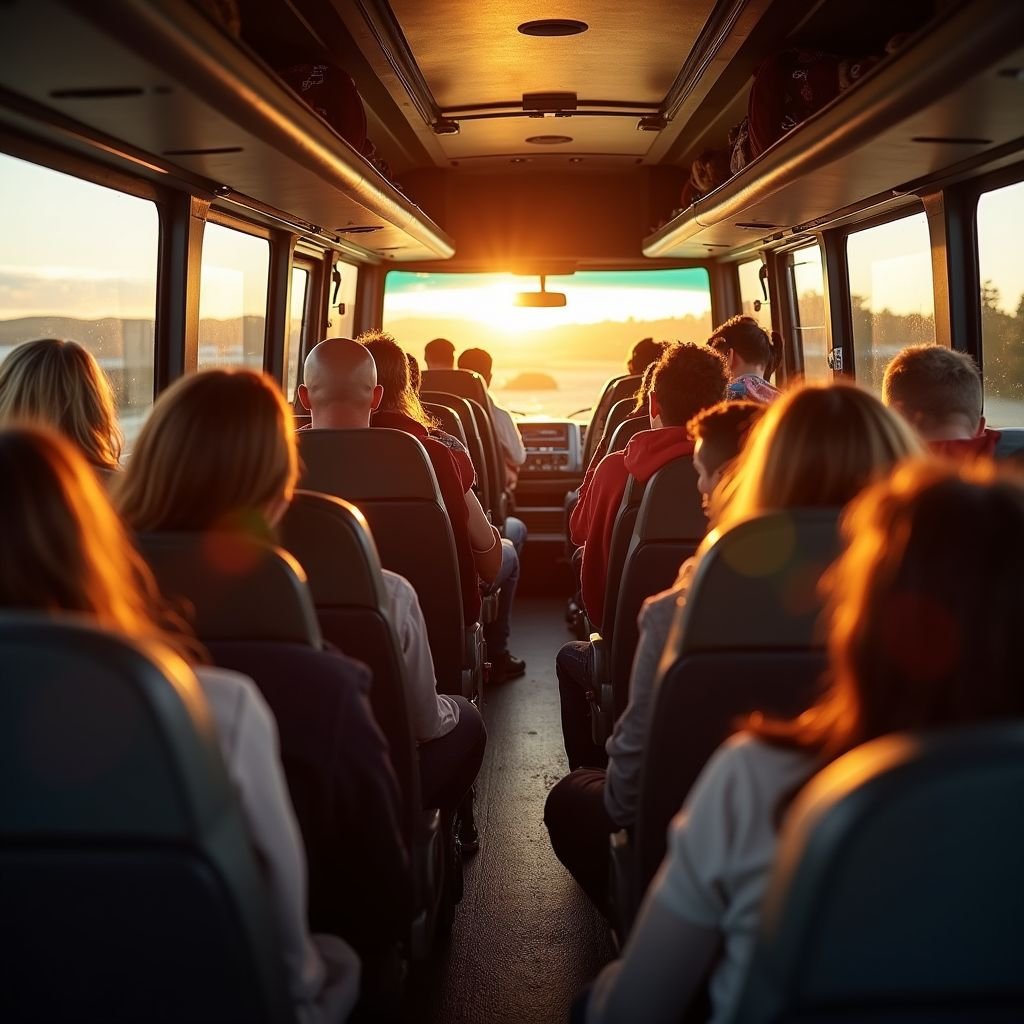
Modern Greyhound long-distance coaches come equipped with reclining seats, onboard Wi-Fi, climate control, and individual power outlets. The Wi-Fi is best used for light browsing, streaming music, or catching up on messages rather than bandwidth-heavy video — realistic expectations here make the experience far more satisfying than approaching it like a hotel broadband connection.
Window seats offer the obvious advantage of scenery and a surface to lean against during sleep. Aisle seats provide easier access for stretching legs during longer stretches. If you are travelling overnight and sleep is the priority, the window seat wins without contest.
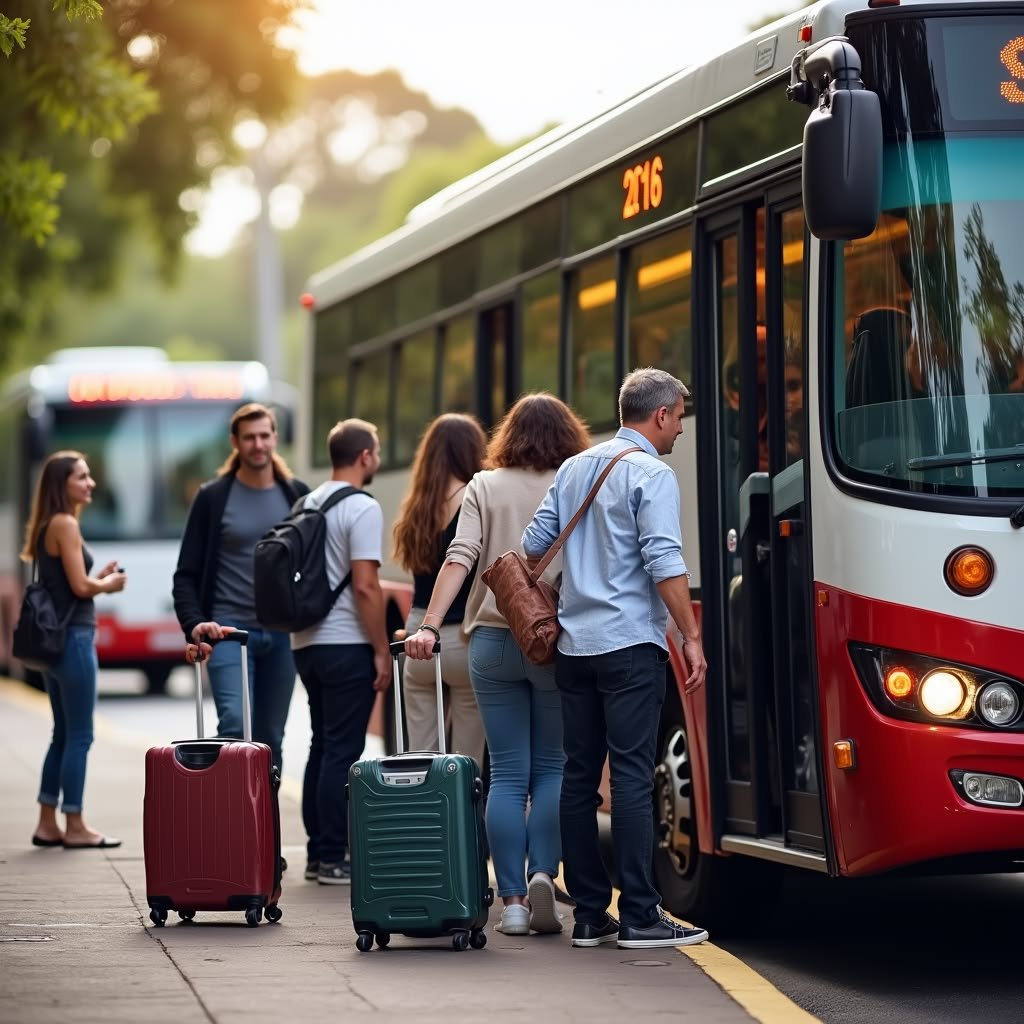
Arriving at the terminal fifteen to twenty minutes before departure is sufficient for most Greyhound routes. Use the time to confirm your platform, use the terminal facilities, and settle in before boarding rather than rushing.
Comfortable Travel Is a Choice
The travellers who arrive at their destination feeling good are rarely the ones who got lucky. They are the ones who made small, deliberate decisions before the journey began. With Greyhound’s network, your route, and a little preparation behind you, the open road becomes exactly what it was always supposed to be — something worth looking forward to.
Nobody enjoys spending more on getting somewhere than they need to. Travel budgets have a way of disappearing faster than expected — a flight here, a rental car there, an airport meal that costs more than dinner at a decent restaurant — and before long, the trip you carefully planned has quietly gone over budget before you have even arrived. Long-distance travel in the USA, in particular, can feel expensive by default. But it does not have to be. With the right approach and the right platform, crossing the country can cost a fraction of what most people assume.
Greyhound has been the backbone of affordable long-distance travel in America for decades, and in 2026, it remains one of the most practical tools a budget-conscious traveller has access to. The key is knowing how to use it well. Here is exactly how to do that.
Book Early and Watch the Price Drop
The single most reliable way to reduce your Greyhound fare is to book as far in advance as possible. Greyhound uses dynamic pricing — the same seat on the same route will cost different amounts depending on how far out you book and how much demand exists for that departure. Tickets purchased three to four weeks ahead consistently come in lower than last-minute bookings, sometimes by a margin that covers an entire night’s accommodation.
The moment you know your travel dates, open the Greyhound website or app and lock in your ticket. Hesitation is expensive. Flexibility, on the other hand, is free — and leads directly to the next point.
Travel Off-Peak and Save Immediately
Peak travel times drive prices up on every mode of transport, and bus travel is no different. Friday afternoons, Sunday evenings, and the days immediately surrounding public holidays carry the highest demand and the highest fares. Shifting your departure by even a day — travelling on a Wednesday instead of a Friday, or leaving on a Saturday morning rather than a Sunday evening — can produce meaningful savings without meaningfully changing your trip.
Early morning and late-night departures also tend to carry lower price tags than midday slots. If you can sleep on a bus and do not mind arriving at dawn, overnight routes are among the best value options Greyhound offers. You save on a night’s accommodation at the same time. That is a double saving most travellers overlook entirely.

Use Discount Programmes Greyhound Already Offers
Greyhound has built-in discount structures that a surprising number of eligible travellers never use. Students with a valid student ID qualify for reduced fares through the student discount programme. Senior travellers, military personnel, and veterans also have access to dedicated pricing that sits below the standard rate. If you fall into any of these categories, make sure you are applying the relevant discount at the time of booking rather than assuming the system applies it automatically.
For travellers planning multi-city itineraries or extended journeys across several states, the Greyhound Discovery Pass offers unlimited travel within a fixed number of days. For anyone covering substantial ground — New York to Miami, Chicago to Denver, or a genuine coast-to-coast route — the pass frequently works out cheaper than buying individual tickets for each leg separately.
Pack Smart to Avoid Extra Fees
Most Greyhound tickets include one carry-on and one checked bag at no additional cost. Travelling with more luggage than this attracts fees that add up quickly across a multi-stop journey. Packing light is not just a minimalist philosophy — it is a direct cost saving. One well-organised bag and a personal item will get most travellers through the majority of trips without any baggage charges at all.
The Honest Truth About Bus Travel Savings
The travellers who save the most on long-distance journeys are not the ones who got lucky — they are the ones who planned slightly earlier, stayed slightly flexible, and chose a platform built around making ground travel accessible. Greyhound has been that platform for generations.
The savings are there. You just have to show up for them.
👉 Plan your next Greyhound journey and book your seat today — https://www.greyhound.com/