



Few things test your patience quite like a spinning buffering wheel in the middle of a work presentation or during the climax of a movie night.
As households connect more devices than ever—from smart TVs and laptops to video doorbells and gaming consoles—upgrading to a fibre broadband connection has become almost mandatory. Fiber optic cables deliver data via light pulses, offering vastly superior speed and stability compared to older copper or DSL setups.
However, picking the right plan isn’t as simple as choosing the fastest number on a flyer. Internet service providers (ISPs) love to push premium gigabit packages that most households simply don’t need. Here is a practical guide to matching a fibre broadband plan to your actual home setup without overpaying.
1. Calculate Your Actual Speed Requirements
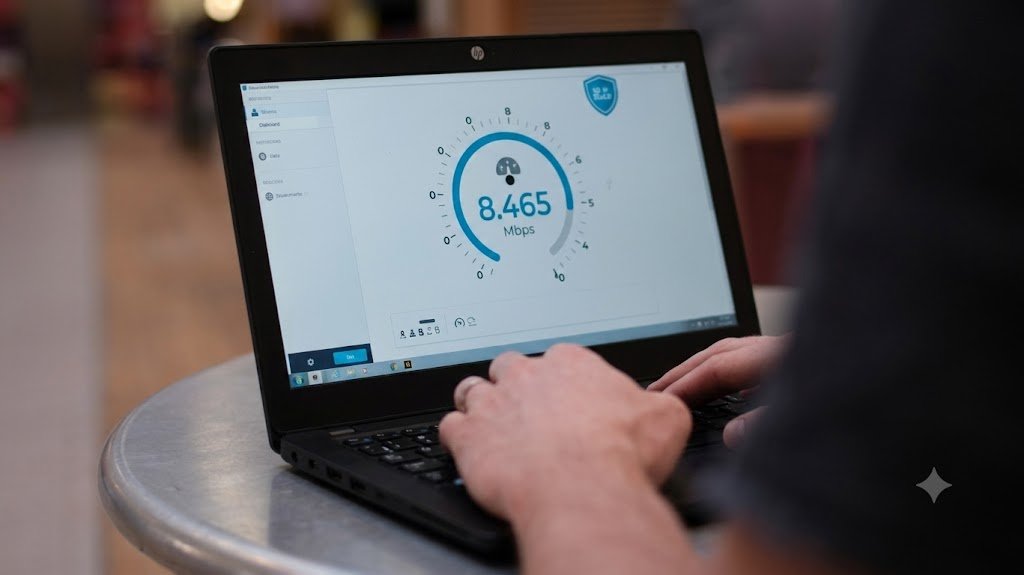
Internet speeds are measured in megabits per second (Mbps) or gigabits per second (Gbps). The most common mistake people make is buying way more bandwidth than their household actually consumes.
Rather than picking a plan based on raw speed numbers, base your choice on how many people and devices are active simultaneously:
- 100 Mbps to 200 Mbps: Ideal for small households (1 to 2 people) who stream HD/4K videos, browse social media, and work remotely.
- 300 Mbps to 500 Mbps: The sweet spot for average families (3 to 4 users) with multiple smart TVs, frequent video calls, and casual online gaming happening at the same time.
- 1 Gbps (1,000 Mbps): Best for large households (5+ heavy users), competitive online gamers downloading massive game files, or professionals transferring enormous media files daily.
2. Demand Symmetrical Download and Upload Speeds
Traditional copper connections were asymmetrical, offering fast download speeds but painfully slow uploads. One of the greatest advantages of pure fibre optic networks is symmetrical bandwidth—meaning your upload speed matches your download speed.
If you regularly host Zoom or Teams meetings, back up large photo libraries to cloud storage, or upload videos to YouTube, double-check that your prospective provider offers symmetrical speeds rather than throttled upload limits.
3. Look Out for Hidden Costs and Fine Print
A plan advertised at a low monthly rate can quickly become expensive once extra charges kick in. Before signing a contract, look closely at these details:
- Equipment Rentals: Does the monthly fee include a modern Wi-Fi 6 router, or do you have to rent it for an extra monthly fee?
- Data Caps vs. Unlimited: True fibre plans should offer unlimited data without fair usage policies (FUP) that slow your connection down after hitting a certain monthly threshold.
- Installation and Setup Fees: Ask whether professional installation and optical network terminal (ONT) setup are included or waived for long-term signups.
- Contract Length: Flexible month-to-month plans give you the freedom to switch if service drops, whereas 12- or 24-month contracts often lock you into price hikes after an initial promo period.

4. Ask Your Neighbors About Local Reliability
An ISP can promise 500 Mbps on paper, but if their local network infrastructure in your specific neighborhood is prone to outages, high speed means very little.
Before committing, ask neighbors or local community groups which provider they use and how often service drops occur. A slightly slower connection from an ISP known for bulletproof uptime and responsive customer support will always beat a glitchy gigabit line.
The Takeaway
Finding the best fibre broadband plan isn’t about chasing the highest speed tier available. By auditing your household’s actual online habits, insisting on symmetrical upload speeds, and watching out for hidden equipment fees, you can lock in a fast, reliable home connection that keeps everyone connected without breaking your monthly budget.