


Art is a wonderful way to express creativity, communicate emotions, and explore different perspectives. Whether you enjoy painting, drawing, or experimenting with mixed media, learning different art techniques can help you develop your skills and discover your personal style. From traditional methods used by master painters to modern approaches that encourage experimentation, each technique offers something unique.
If you’re an aspiring artist looking to improve your work, here are ten famous art techniques worth exploring.
1. Oil Painting
Oil painting is one of the most recognised traditional art techniques. It uses pigments mixed with oil, usually linseed oil, to create rich colours and smooth textures. Because oil paint dries slowly, artists have plenty of time to blend colours, adjust details, and build layers.
This technique is particularly useful for portraits, landscapes, and realistic artwork. However, it requires patience and proper ventilation when using certain solvents.
2. Watercolour Painting
Watercolour is loved for its transparent appearance, soft colour transitions, and delicate effects. Artists use water-based pigments on paper, allowing the white surface to contribute to the brightness of the finished artwork.
One popular approach is wet-on-wet painting, where wet paint is applied to damp paper to create flowing effects. Wet-on-dry techniques produce sharper edges and more defined details.
3. Acrylic Painting
Acrylic paint is a versatile medium suitable for beginners and experienced artists. It dries relatively quickly, can be diluted with water, and works on surfaces such as canvas, wood, and paper.
Artists can use acrylics to create everything from detailed illustrations to bold abstract compositions. Their flexibility makes them an excellent choice for experimenting with different styles.
4. Pencil Shading
Pencil shading is a fundamental drawing technique that helps artists create depth, texture, and realistic forms. By varying pencil pressure and using different grades, artists can produce a range of light and dark tones.
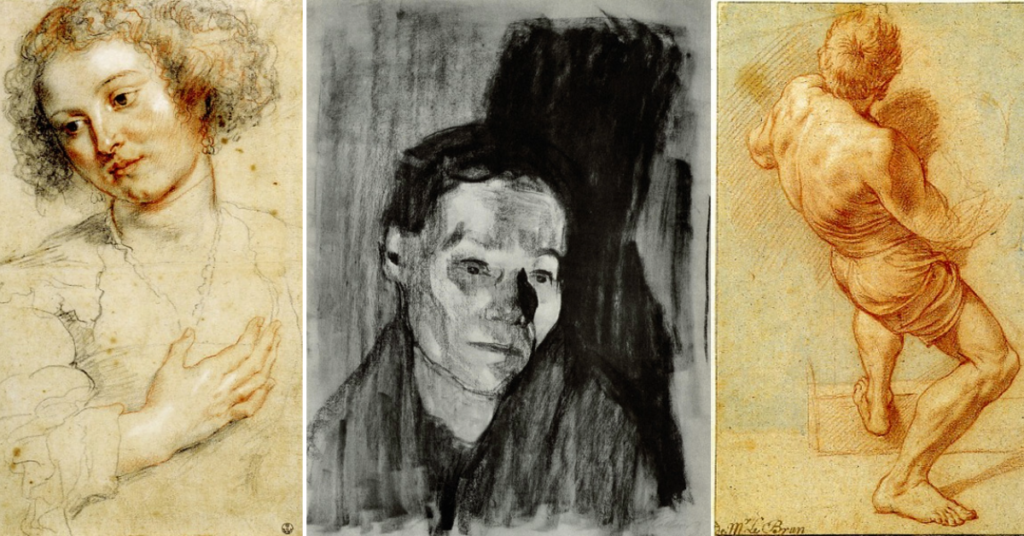
Techniques such as hatching, cross-hatching, and blending can make simple sketches appear more three-dimensional. Practising shading also improves observation and control.
5. Pointillism
Pointillism is an artistic technique in which images are created using small, distinct dots of colour. Rather than blending pigments directly, artists place individual dots close together so that the colours visually combine when viewed from a distance.
Georges Seurat is particularly associated with this technique. Pointillism teaches artists about colour relationships, composition, and how the eye perceives patterns.
6. Impasto
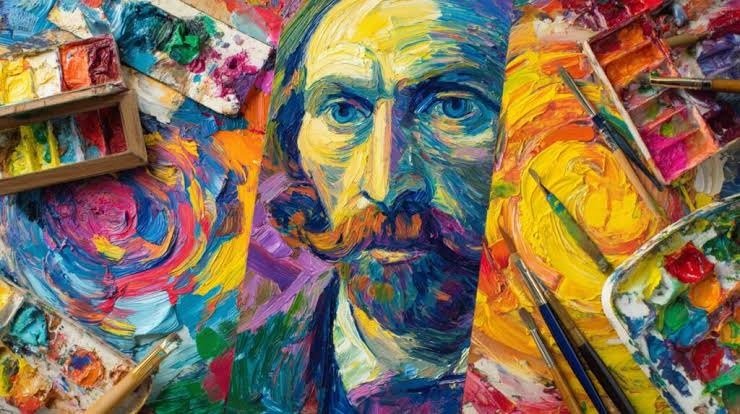
Impasto involves applying thick layers of paint to create a textured surface. Artists often use palette knives or stiff brushes to build visible strokes and raised patterns.
The technique adds dimension and movement to paintings. It is especially effective when artists want to emphasise light, texture, and expressive brushwork.
7. Sketching and Gesture Drawing
Sketching is often the starting point of an artwork. It allows artists to explore ideas, plan compositions, and understand proportions before creating a finished piece.
Gesture drawing focuses on capturing movement and the overall form of a subject through quick, expressive lines. It is particularly useful for drawing people, animals, and figures in motion.
8. Collage
Collage involves combining different materials, such as photographs, newspaper clippings, fabric, paper, and printed images, to create a single composition.
It encourages experimentation and allows artists to tell stories through contrasting textures, shapes, and visual elements. Beginners can start with simple paper collages before exploring more complex mixed-media projects.
9. Sgraffito
Sgraffito is a technique that involves scratching through a surface layer to reveal another colour or material underneath. It can be used in painting, drawing, and ceramics.
Artists often apply contrasting layers and carefully scratch patterns or details into the upper surface. The result can be highly decorative and visually interesting.
10. Glazing
Glazing involves applying thin, transparent layers of paint over completely dry layers. Each layer subtly changes the appearance of the colours beneath it, creating depth and luminosity.
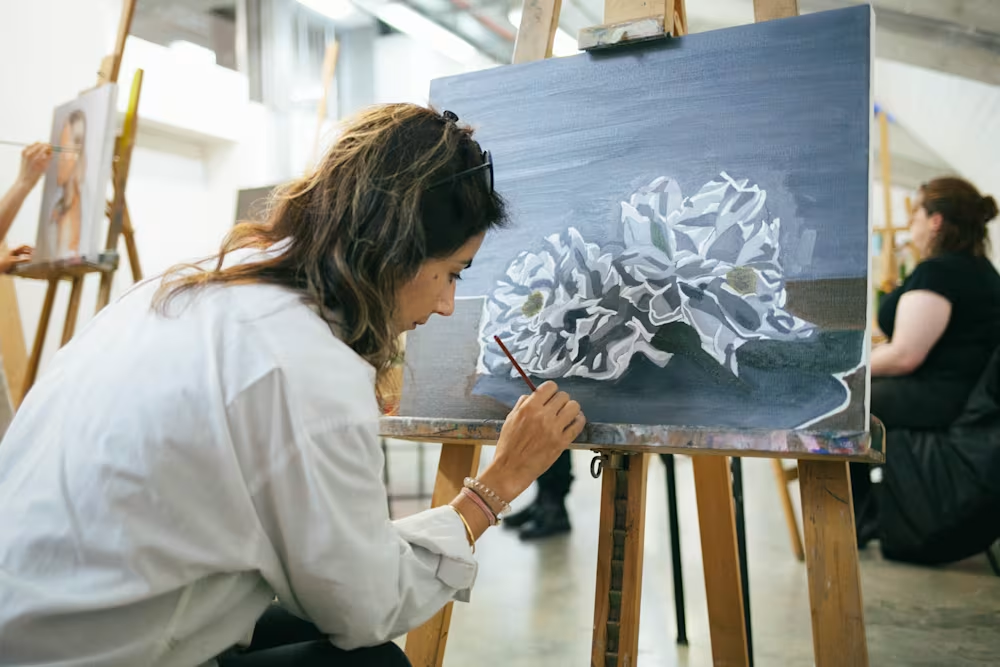
This technique is commonly associated with traditional oil painting and requires patience because each layer must dry before the next is applied.
Final Thoughts
Exploring different art techniques is an excellent way to develop creativity and strengthen artistic skills. Whether you enjoy the delicate effects of watercolour, the texture of impasto, or the expressive possibilities of collage, every method offers an opportunity to learn something new.
You do not need to master all ten techniques immediately. Start with the ones that interest you most, practise regularly, and experiment with different materials. Over time, you will discover the methods that best express your ideas and help you develop a distinctive artistic style.