



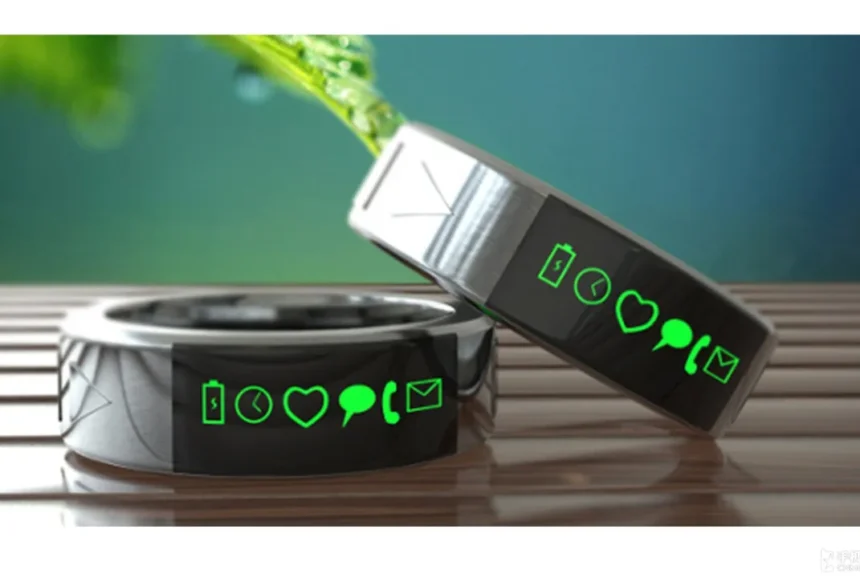
Technology has become a bigger part of everyday wellness, but not everyone wants to wear a large smartwatch all day. This is where smart ring technology offers an interesting alternative. Small, lightweight and designed to look more like traditional jewellery, smart rings can quietly collect information about sleep, activity and other health-related measurements throughout the day.
For people interested in understanding their daily habits without constantly checking a screen, a smart ring can be a convenient addition to a wellness routine.
What Is a Smart Ring?
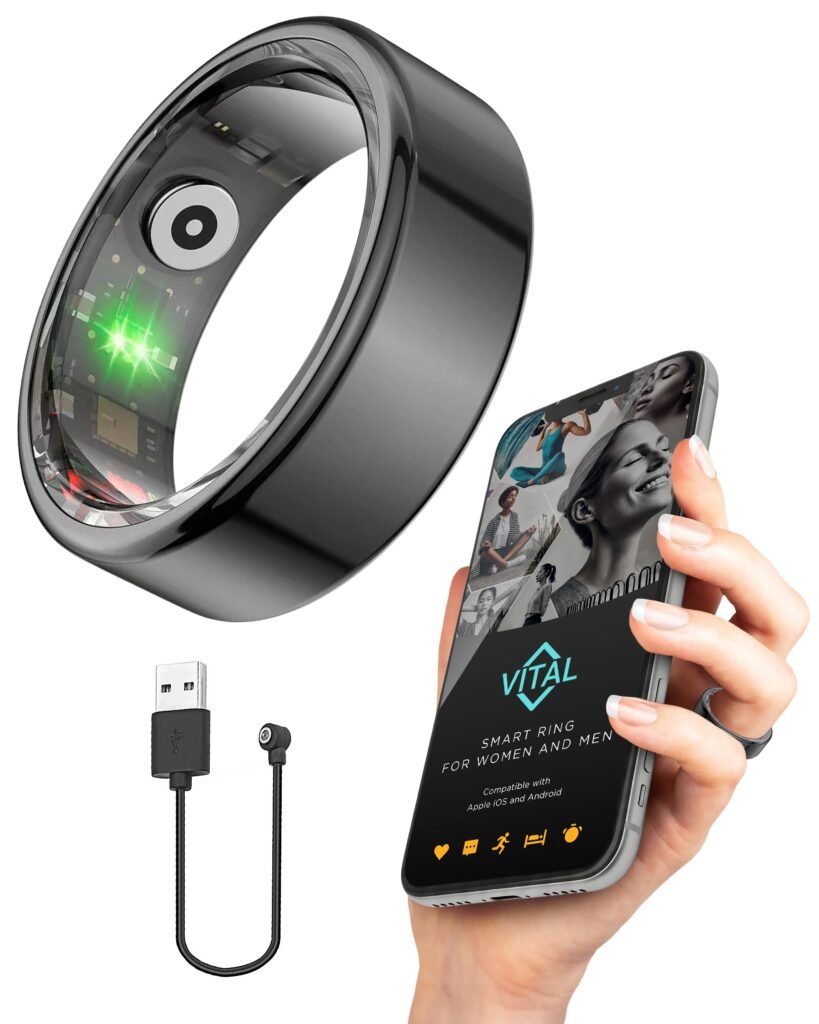
A smart ring is a wearable electronic device designed to fit on your finger while using miniature sensors to collect various measurements. Depending on the model, these sensors may monitor things such as heart rate, skin temperature, blood oxygen levels, movement and sleep patterns.
The collected information is usually transferred to a companion smartphone app, where it can be viewed over time. Instead of focusing on one reading, the app can help users identify patterns in their activity and sleep.
One reason smart rings have become popular is their discreet design. They can look like ordinary jewellery, making them less noticeable than some other wearable devices.
Why Sleep Tracking Is So Useful
Sleep is one of the areas where wearable technology can provide useful insights. A smart ring may track when you go to sleep, when you wake up and how much time you spend asleep. Some devices also estimate different stages of sleep.
This can help you notice patterns that might otherwise be easy to miss. For example, you may discover that your sleep duration changes after a late evening, a change in routine or a particularly stressful day.
Rather than obsessing over a single night’s score, it is generally more useful to look at trends over several weeks. A sleep tracking ring can provide a broader picture of your routine and encourage you to think about habits that may be affecting your rest.
Monitoring Activity Without a Screen
Smart rings aren’t only about sleep. Many models also track movement and daily activity, allowing users to see how active they have been throughout the day.
Depending on the device, features may include step counting, activity tracking, heart-rate monitoring and workout-related measurements. The advantage is that these features can work quietly in the background without requiring you to constantly interact with a screen.
For someone who doesn’t enjoy wearing a smartwatch, a fitness smart ring can offer a more subtle way to keep an eye on everyday activity.
Understanding Your Body Over Time
One of the most interesting aspects of smart ring technology is its ability to collect information continuously. Looking at several days or weeks of data can reveal patterns that aren’t obvious from a single measurement.
For example, you might notice that your resting heart rate tends to change when your routine changes or that your sleep duration is consistently shorter on certain days.
Some smart rings also track skin-temperature trends. Depending on the device and software, this information may be used to provide additional wellness insights. However, these measurements should be viewed as general wellness information rather than a medical diagnosis.
Comfort Matters
Because smart rings are designed to be worn for long periods, comfort is an important consideration. A ring that feels uncomfortable at night or interferes with everyday activities is unlikely to become a useful part of your routine.
Before buying one, consider its weight, available sizes, battery life, water resistance and charging method. If you intend to use it primarily for sleep tracking, make sure the design feels comfortable enough to wear overnight.
It is also worth checking whether the accompanying smartphone app is easy to understand. The hardware can collect plenty of information, but the app is where most users will actually interpret it.

Smart Rings Aren’t Medical Devices
One important point should not be overlooked: consumer smart rings are generally designed for wellness and fitness tracking, not for diagnosing or treating medical conditions.
Measurements such as heart rate, blood oxygen or temperature can be affected by movement, fit, skin contact and other factors. If you have a health concern or notice something unusual, information from a wearable should not replace professional medical advice.
The most useful approach is to treat the data as a way to understand your habits and start informed conversations when necessary.
A Smaller Approach to Everyday Wellness
The appeal of smart ring technology is its simplicity. You put the ring on, go about your day and let the sensors collect information in the background. There is no large display demanding your attention and no need to constantly check notifications.
For people interested in sleep tracking, fitness monitoring and everyday wellness, a smart ring can be an unobtrusive way to learn more about personal routines.
Ultimately, the value of a smart ring isn’t in checking numbers every few minutes. It’s in using longer-term information to understand your habits, make thoughtful lifestyle adjustments and become more aware of how everyday choices can influence your sleep, activity and overall wellbeing.