




A phone plan is one of those monthly expenses that is easy to overlook until the bill arrives. With data, calls, texts, fees and dHow to Find an Affordable Phone Plan That Fits Your Lifestyle
Your phone plan is one of those everyday expenses that can quietly take up a significant part of your monthly budget. With so many options available, it can be tempting to choose the first plan with a low advertised price. But the cheapest option isn’t always the one that makes the most sense. The better approach is to find a plan that matches the way you actually use your phone.
Whether you mainly use your smartphone for calls and messages or rely on it for streaming, navigation, social media and work, understanding your habits can make it much easier to find an affordable phone plan.
Start by Understanding Your Data Usage
Before comparing wireless plans, check how much mobile data you currently use. Your smartphone usually provides information about data consumption, including which apps are using the most.
If you spend most of your time connected to Wi-Fi, you may not need a large mobile data allowance. Messaging, checking emails, browsing websites and using navigation generally don’t require as much data as watching videos or streaming music for several hours.
On the other hand, people who regularly work away from Wi-Fi or use their phones for entertainment may benefit from a larger data allowance.
Looking at your usage over a few months can give you a much more realistic starting point than simply guessing.
Consider Whether You Really Need Unlimited Data
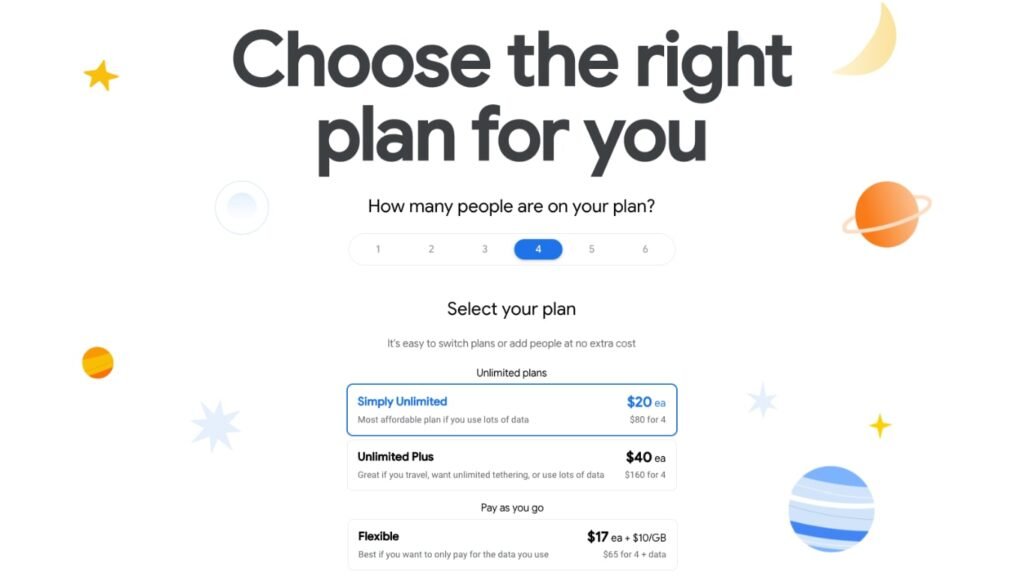
Unlimited data sounds appealing, especially if you don’t want to worry about running out. However, it isn’t necessarily essential for everyone.
A smaller or mid-range data plan may be enough for someone who spends most of the day around Wi-Fi. Choosing a smaller plan can also help keep monthly costs predictable.
For heavier users, an unlimited option can provide more freedom. But always check the details. Some plans can have specific policies concerning high-speed data, network congestion, video streaming or hotspot usage.
The important thing is to understand what you’re actually getting rather than choosing a plan based solely on the word “unlimited.”
Look at the Real Cost
When searching for affordable wireless plans, don’t judge an option by its headline price alone.
Check whether taxes and fees are included. Look for activation costs and find out whether the advertised price is a temporary promotional rate or the standard price you’ll pay when it’s time to renew.
Payment terms are worth considering as well. Some services are paid monthly, while others offer different rates when customers pay for several months in advance.
Calculating the total cost over a full service period can make comparisons much clearer. A slightly higher monthly price could still make sense if it includes features you would otherwise have to pay for separately.
Don’t Overlook Network Coverage
A low-cost plan isn’t particularly useful if the network doesn’t perform well where you spend most of your time.
Before switching, check coverage around your home, workplace and frequently visited locations. If you travel regularly, look at coverage in those areas too.
Network performance can vary because of buildings, terrain, local congestion, device compatibility and other factors. Coverage maps can give you a useful indication, but actual performance may differ from one location to another.
Check the Hotspot Allowance
Mobile hotspot access can be extremely useful when you need to connect a laptop or tablet without Wi-Fi. It can also be handy when travelling or working remotely.
However, hotspot allowances aren’t necessarily the same as your regular mobile data allowance. Some plans include a specific amount of hotspot data, while others provide limited access.
If using your phone as a hotspot is part of your normal routine, make sure the plan you choose provides enough data for your needs.
You May Not Need a New Smartphone
Changing your wireless service doesn’t automatically mean replacing your phone. Many providers allow customers to bring their own unlocked and compatible device.
Keeping your existing smartphone can significantly reduce the overall cost of switching. Before making a change, check that your device is compatible with the new network and confirm whether your existing phone number can be transferred.
If your current phone still works well, there may be little reason to spend extra money on a new device.

Read the Fine Print
Once you’ve narrowed down your options, take a few minutes to read the plan details. Look for information about data limits, hotspot access, international use, taxes, fees, renewal prices and any restrictions.
This is particularly important when a plan is advertised with a special introductory price. Knowing what you’ll pay after the initial period can help you budget more accurately.
Choose Based on Your Actual Needs
Finding the right affordable phone plan isn’t about choosing the option with the lowest price or the largest amount of data. It’s about finding the right balance between cost, coverage, data and features.
Start with your real usage, compare the complete costs and consider how you use your phone every day. If you rarely use mobile data, there’s little reason to pay for an oversized allowance. If your smartphone is central to your work, travel or entertainment, paying for additional data may be worthwhile.
A little research can go a long way. By focusing on what you actually need instead of what sounds impressive in an advertisement, you can find a wireless plan that fits both your lifestyle and your budget.