



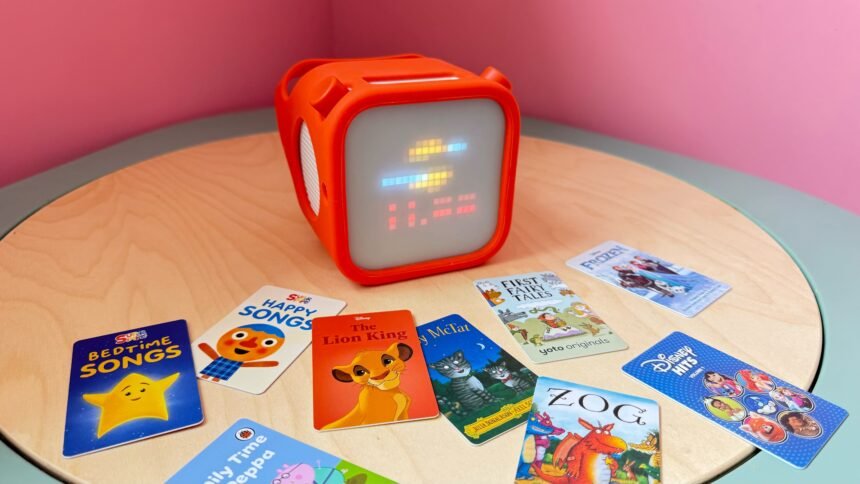
Screens have become a regular part of childhood. Whether it’s online learning, cartoons, gaming, or educational apps, children spend hours in front of digital devices every day. While technology has transformed the way kids learn and play, many parents are now looking for healthier ways to balance screen time. That’s why screen-free audio devices for kids are quickly becoming a favorite among modern families.
These innovative devices allow children to enjoy stories, music, educational content, and calming bedtime audio without a screen. They offer the perfect combination of entertainment and learning while encouraging creativity and independent play.
A Healthy Alternative to Screen Time
One of the biggest reasons parents are switching to screen-free audio players is the growing concern about excessive screen exposure. Too much screen time can affect sleep, attention span, and physical activity. Audio devices provide an engaging alternative that keeps children entertained without constant visual stimulation.
Instead of watching videos, kids listen to stories and imagine the characters, places, and adventures themselves. This simple shift encourages active thinking and helps develop creativity in a way screens often can’t.
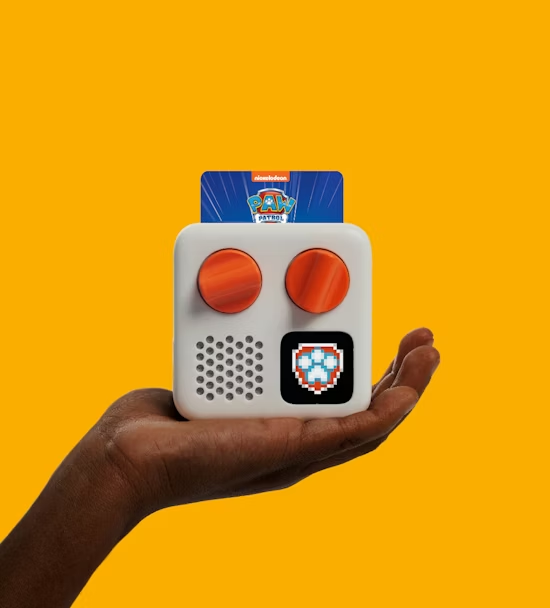
Encouraging Learning Through Listening
Listening is an essential skill that supports a child’s overall development. Screen-free audio devices expose children to new words, storytelling techniques, and different styles of communication. Regular listening improves vocabulary, comprehension, and language skills while making learning enjoyable.
Many devices also include educational content such as science facts, language lessons, quizzes, and interactive stories, helping children learn naturally through play.
Building Independence and Confidence
Parents appreciate that most kids’ audio devices are designed for independent use. With simple buttons and child-friendly controls, even young children can choose their favorite stories or songs without needing a smartphone or tablet.
This sense of independence encourages confidence while giving parents a few moments to focus on other tasks, knowing their child is engaged in safe and meaningful entertainment.
Perfect for Every Routine
One of the reasons screen-free audio devices are so popular is their versatility. They fit seamlessly into everyday family life and can be used during:
- Bedtime routines
- Long car rides
- Quiet playtime
- Family travel
- Homework breaks
- Relaxation before sleep
Unlike mobile devices, audio players don’t come with distracting notifications, advertisements, or endless scrolling, making them a stress-free option for both parents and children.
What Parents Look for in an Audio Device
When choosing a screen-free audio device for kids, parents often prioritize features like durable construction, easy controls, long battery life, offline playback, and safe volume limits. A wide selection of audiobooks, music, educational content, and bedtime stories also ensures children stay engaged as they grow.
These thoughtful features make audio devices practical for everyday use while supporting healthy digital habits.
The Future of Child-Friendly Entertainment
As more families embrace mindful technology, screen-free audio devices are becoming much more than a passing trend. They represent a shift toward balanced learning and entertainment that prioritizes creativity, listening, and imagination over constant screen exposure.
For parents who want to reduce screen time without sacrificing fun or education, these devices offer an ideal solution. They encourage children to explore stories, discover new ideas, and build essential life skills—all through the power of sound.
If you’re searching for a smarter way to entertain your child, it’s easy to see why screen-free audio devices for kids are becoming every parent’s favorite. They’re simple, educational, and designed to make childhood a little more imaginative—one story at a time.