


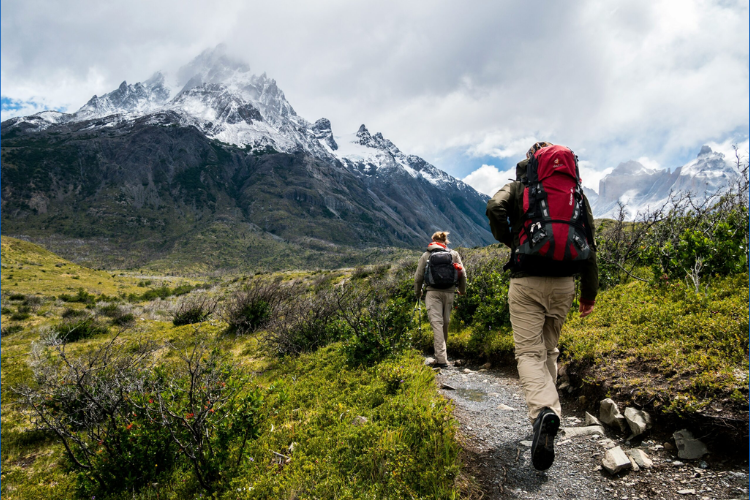
Stepping into the world of hiking can feel both exciting and overwhelming. With endless trails, gear options, and advice floating around, beginners often don’t know where to begin. The good news? Hiking is one of the most accessible outdoor activities—you don’t need to be an expert to start, just prepared and curious.
This guide will walk you through everything you need to know to begin your hiking journey with confidence.
Why Hiking is the Perfect First Adventure
Hiking isn’t just about walking through nature—it’s a full-body experience that benefits both physical and mental well-being. It improves cardiovascular health, strengthens muscles, and helps reduce stress while boosting mood and creativity.
Beyond health, hiking gives you something rare in today’s fast-paced world: a genuine connection with nature. Whether you’re exploring forests, mountains, or lakesides, every trail offers a unique story.
Types of Hikes You Can Try

Before you lace up your boots, it’s important to understand the different types of hikes available. This helps you choose one that matches your fitness level and expectations:
- Day Hikes – Short and beginner-friendly, perfect for first-timers
- Loop Hikes – Trails that start and end at the same point
- Out-and-Back Hikes – Simple routes where you return the same way
- Summit Hikes – More challenging, leading to mountain peaks
- Forest or Coastal Hikes – Scenic and relaxing environments
Each type offers a different experience, so start small and gradually explore more challenging options.
Essential Gear You’ll Need
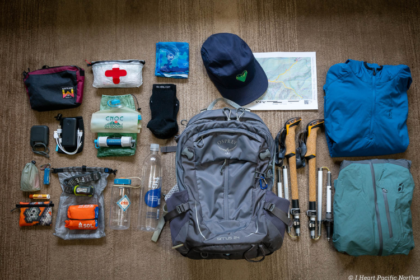
You don’t need expensive equipment to begin hiking, but a few essentials can make a big difference:
1. Comfortable Footwear
A sturdy pair of hiking shoes with good grip is crucial. Avoid regular sneakers on uneven terrain.
2. Layered Clothing
Weather can change quickly outdoors. Wearing layers allows you to adjust as needed.
3. A Small Backpack
Carry essentials like water, snacks, sunscreen, and a basic first-aid kit.
4. Navigation Tools
Maps, GPS, or even a hiking app can help you stay on track, especially on unfamiliar trails.
Safety Tips Every Beginner Should Follow
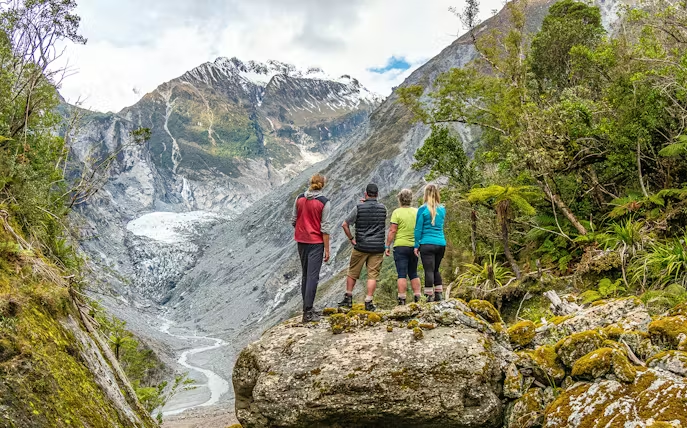
Starting your hiking journey safely is just as important as enjoying it:
- Start small – Choose short, easy trails at first
- Stay hydrated – Always carry enough water
- Check the weather before heading out
- Tell someone your plan if hiking alone
- Follow trail etiquette – respect nature and other hikers
These simple precautions can make your experience safe and enjoyable.
How to Choose Your First Trail
When selecting your first hike, consider:
- Distance: Keep it under 5 km for your first trip
- Elevation: Flat or mildly inclined trails are best
- Accessibility: Choose well-marked and popular routes
- Time: Pick a trail you can complete in daylight
Remember, the goal isn’t to push your limits—it’s to build confidence.
The Mental Side of Hiking
One of the most underrated aspects of hiking is its impact on your mind. Time spent outdoors helps you disconnect from screens and daily stress, allowing you to reset mentally. Many hikers describe it as a form of meditation in motion.
Even a short hike can leave you feeling refreshed, focused, and more connected to yourself.