



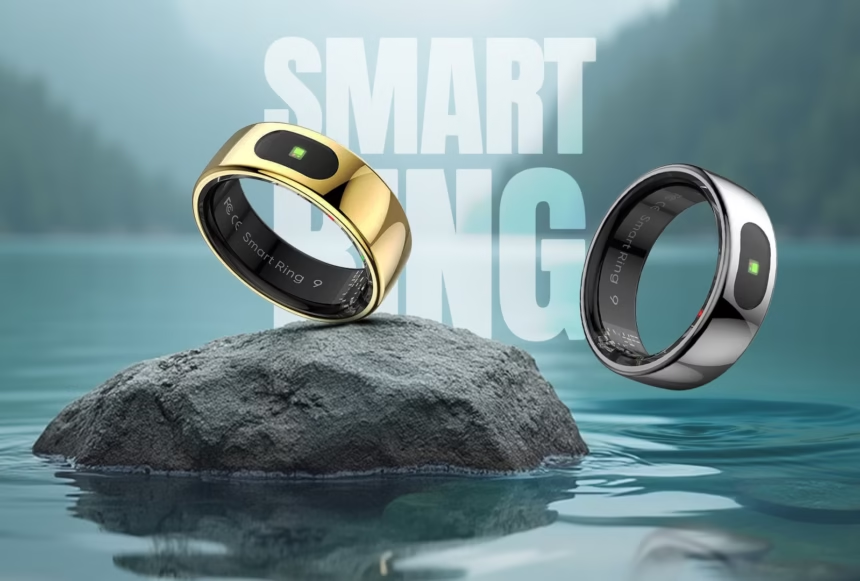
Wearable technology has changed the way people keep track of everyday habits. While smartwatches and fitness bands remain popular, smart rings offer a quieter and more discreet alternative. They can look like ordinary jewellery while collecting information about sleep, movement, heart rate and other wellness-related metrics.
But with different models offering different features, choosing the right smart ring for everyday wellness requires more than picking the one with the most impressive specifications. Comfort, accuracy, battery life and the quality of the companion app can all affect whether a smart ring actually becomes useful in your daily routine.
Start With the Features You Actually Need
Before comparing different smart rings, think about why you want one in the first place.
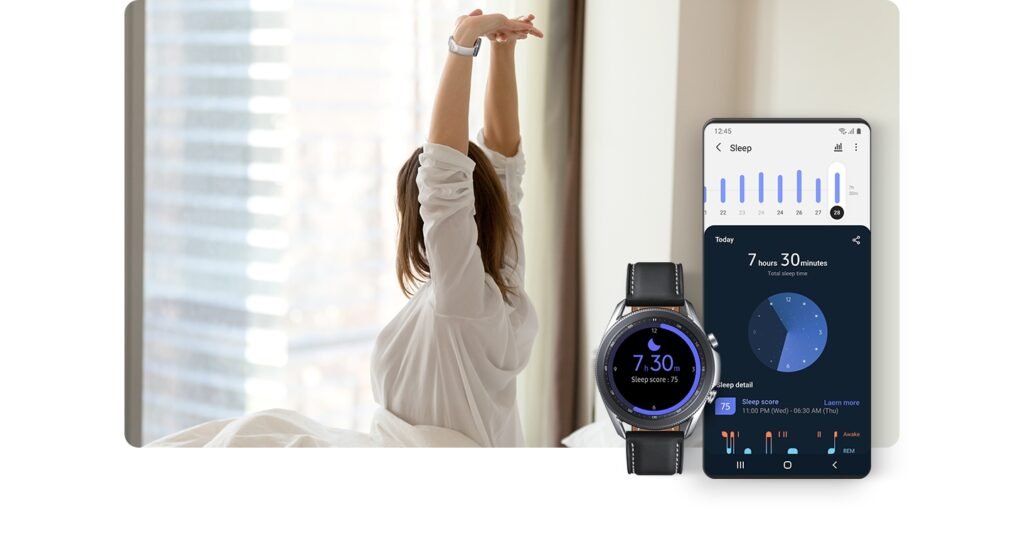
If your main interest is sleep, look for a device that focuses strongly on sleep duration, sleep stages and overnight measurements. If you’re more interested in fitness, activity tracking, heart-rate monitoring and workout features may matter more.
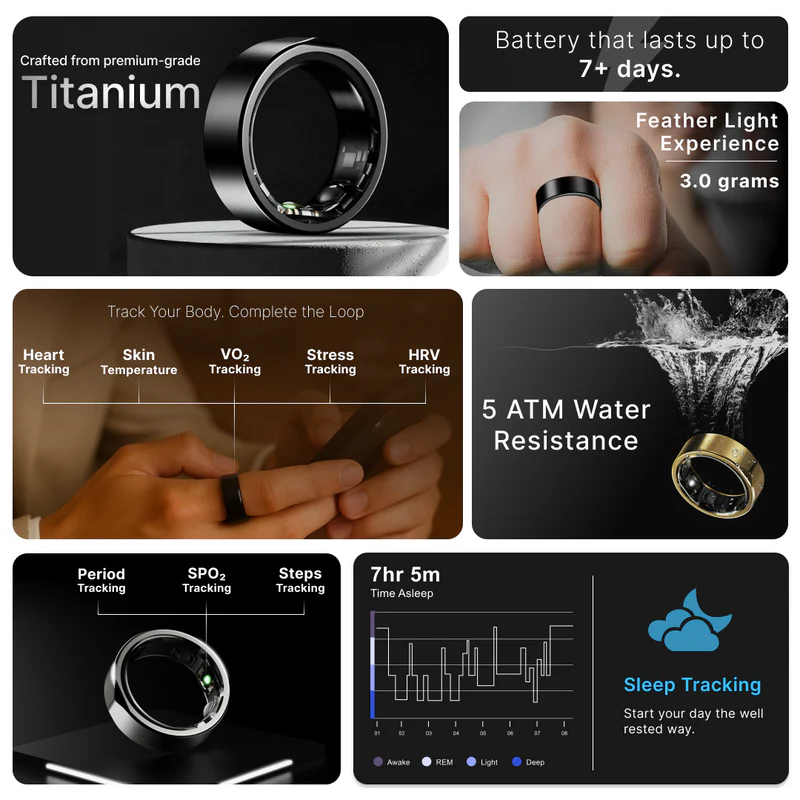
Some smart rings offer additional measurements such as skin-temperature trends, blood oxygen estimates and stress-related insights. More features aren’t necessarily better if you don’t intend to use them, so start with your priorities.
Comfort Should Come First
A smart ring is only useful if you’re comfortable wearing it consistently.
Because many people wear their rings overnight, pay close attention to weight, thickness and overall design. The ring should fit securely without feeling too tight, particularly if you plan to wear it while sleeping or exercising.
Check the manufacturer’s sizing guidance before ordering. Some companies offer sizing kits because even a small difference in ring size can affect comfort and sensor contact.
If possible, choose a design that feels natural enough to wear throughout the day rather than treating it as something you only put on during workouts.
Look at Battery Life
Battery life is another important consideration when choosing a wellness smart ring. Unlike a traditional piece of jewellery, a smart ring needs regular charging.
Longer battery life means fewer interruptions and makes continuous tracking easier. Check both the manufacturer’s claimed battery life and the charging method.
A compact charging case can be convenient for travel, while a proprietary charger may mean you need to remember to carry an additional accessory.
Think about your routine. If you frequently travel or simply don’t like charging devices every night, battery performance should be high on your checklist.
Consider Water Resistance
Everyday life involves water. You may wash your hands, shower, exercise outdoors or get caught in the rain while wearing your ring.
For that reason, check the device’s water-resistance rating before buying. Don’t assume every smart ring is suitable for swimming or prolonged exposure to water.
If you’re planning to wear your ring during workouts or in the pool, look specifically for a model whose manufacturer states that it supports those activities.
Don’t Ignore the Smartphone App
The ring itself is only one part of the experience. Much of the information collected by a smart ring is viewed through its companion smartphone application.
A good app should make your data easy to understand rather than presenting you with endless numbers. Look for clear summaries, trends and explanations that help you understand changes in your routine.
It’s also worth checking smartphone compatibility before buying. Some rings may have different features depending on whether you’re using an Android or iOS device.
Think About Data and Privacy
Smart rings can collect personal wellness information, so privacy deserves consideration.
Before purchasing, look at the company’s privacy policy and understand what information the device collects, where that information is stored and how it may be used. Check whether data can be exported or deleted if you decide to stop using the service.
This may not be the most exciting part of shopping for a wearable, but it is an important one.
Understand What the Sensors Can and Can’t Tell You
Smart rings can provide useful wellness information, but their measurements aren’t the same as professional medical tests.
Depending on the model, a ring may measure or estimate heart rate, blood oxygen, skin temperature, movement and sleep-related information. However, readings can be affected by factors such as fit, movement, skin contact and other conditions.
Use the information to understand general patterns rather than treating individual readings as a diagnosis. If you have a health concern, speak with a qualified healthcare professional.
Consider the Long-Term Cost
The purchase price isn’t always the complete cost of owning a smart ring. Some manufacturers charge a subscription for advanced insights, additional data analysis or premium app features.
Before making a decision, calculate the cost over the first year and beyond. A less expensive ring with an ongoing subscription could ultimately cost more than a device with a higher upfront price but fewer recurring charges.
Choose for Your Real Routine
The best smart ring for everyday wellness is one that fits naturally into your life. Think about comfort, battery life, water resistance, tracking features, app quality, compatibility, privacy and ongoing costs.
Instead of buying based solely on a long list of specifications, focus on the features you’ll genuinely use. A comfortable ring that you wear consistently can provide far more useful insights than an impressive device that spends most of its time sitting in a drawer.
Smart ring technology can be a helpful way to become more aware of sleep, movement and everyday habits. The goal isn’t to monitor every moment of your life — it’s to use the information thoughtfully and turn useful patterns into healthier everyday routines.