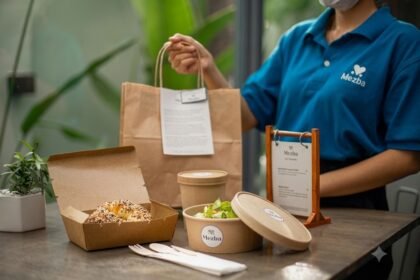



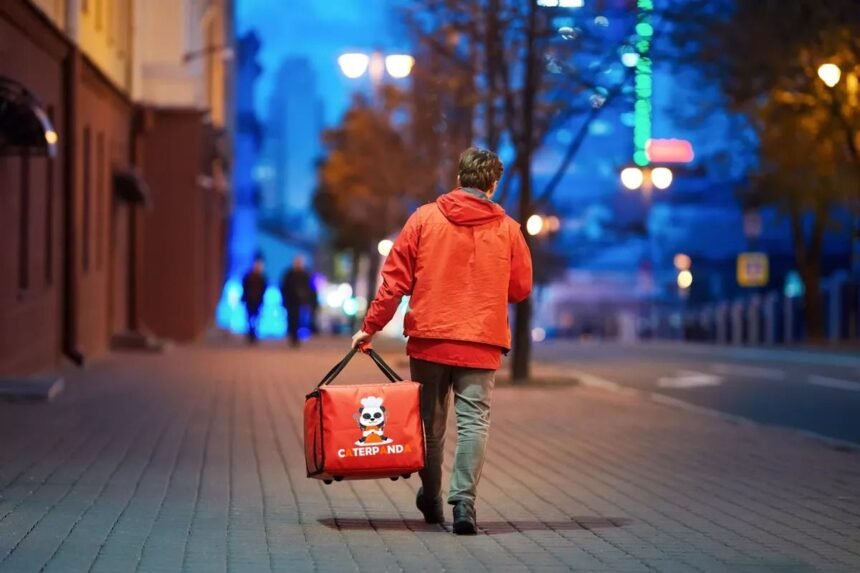
It is 1 AM. Your assignment is half done, or your client’s deadline is six hours away. The kitchen is empty, every nearby restaurant is closed, and the only thing standing between you and a complete energy crash is your phone and a delivery app that is still awake when everything else is not.
Late-night hunger is one of the most universally shared experiences among students and remote workers — and in 2026, the food delivery industry has finally caught up with it in a serious way. More platforms are extending operating hours, more restaurants are staying open exclusively for delivery after midnight, and an entirely new category of dark stores and ghost kitchens has emerged specifically to serve the nocturnal economy. If you have ever stared at a closed restaurant sign at 11 PM wondering what your options are, this guide is for you.
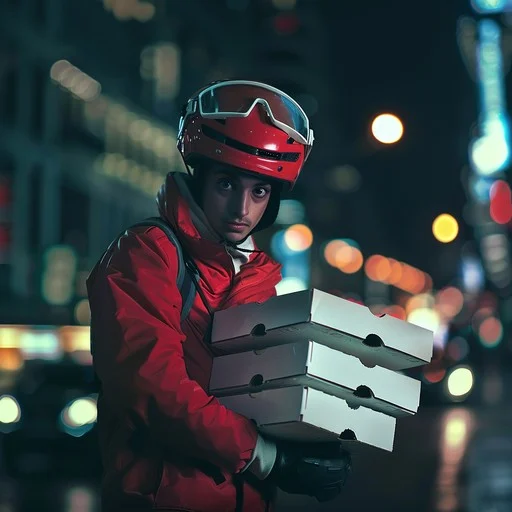
Why Late-Night Delivery Is a Different Game
Ordering food at 2 AM is not the same experience as ordering at noon. Fewer restaurants are available. Delivery times can stretch longer due to reduced courier numbers. Surge pricing often kicks in during late hours on platforms that use dynamic pricing. And the food categories that dominate shift dramatically — comfort food, fast food, and snack-heavy options take over from salads and balanced meals. Understanding this landscape helps you make smarter choices instead of just defaulting to whatever shows up first on the screen.
The Platforms Built for Night Owls
Uber Eats consistently performs best for late-night delivery across global cities. Its sheer size means more restaurant partners maintain extended hours specifically because Uber Eats guarantees them order volume well past midnight. In cities like New York, London, Dubai, and Sydney, Uber Eats regularly shows 50 to 100+ restaurant options available past 1 AM. The real-time GPS tracking is also particularly reassuring during late hours when you want to know exactly where your order is.
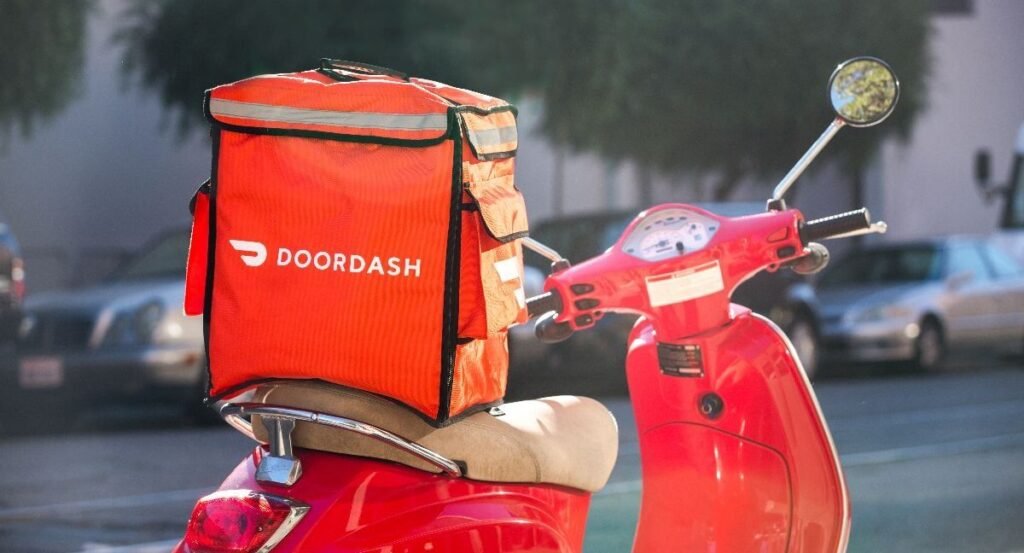
DoorDash rivals Uber Eats in the US for late-night availability and is often the better option in suburban areas where Uber Eats coverage thins out after midnight. Its DashPass subscription eliminates delivery fees even on late-night orders, making it the more economical choice for students ordering regularly after hours.
Glovo in Europe and Grab in Southeast Asia both shine in the late-night window specifically because of their multi-category capability. Beyond restaurants, both platforms let you order convenience store snacks, energy drinks, instant noodles, and pharmacy essentials during the hours when nothing else is open. For students pulling all-nighters, this is genuinely practical — a single order can cover dinner, snacks, and paracetamol in one delivery.
Rappi across Latin America has built its Turbo Delivery feature — promising delivery from dark stores in under 10 minutes — into one of the most useful late-night tools for students in São Paulo, Bogotá, and Mexico City. When you need something fast at midnight, ten minutes is a different category of service entirely.
What to Actually Order Late at Night
The best late-night orders are ones that travel well and do not disappoint when they arrive slightly cool. Pizza remains the undisputed king of late-night delivery for good reason — it holds heat well, travels reliably, and satisfies. Burgers and fried chicken from established chains consistently deliver a predictable quality at any hour. Ramen and noodle-based dishes from dedicated delivery kitchens have become increasingly popular among students for their warmth, portion size, and relatively lower price point. Avoid sushi, salads, and anything with complex plating — these suffer most in transit and at odd hours when kitchen attention may be reduced.
The Student Budget Reality
Late-night delivery and student budgets are a genuinely uncomfortable combination. A single late-night order with delivery fees, service charges, and a tip can easily reach $25 to $35 for what was a $12 meal on the menu. The smarter approach is to treat late-night delivery as an occasional tool rather than a nightly habit, invest in one subscription like DashPass or Uber One to remove delivery fees, and keep a small stock of instant noodles, cereal, and snack bars as a backup that costs a fraction of any delivery order.
For remote workers billing hourly or working against client deadlines, the calculation is different — the productivity value of not breaking focus to cook often genuinely outweighs the delivery markup. The key is being conscious of when delivery is a smart trade-off and when it is simply a habit dressed up as necessity.
The Midnight Rule Worth Following
Before you open any delivery app after midnight, check two things: whether your preferred platform has a subscription active to waive fees, and whether your order meets the minimum to avoid a small-order surcharge. These two steps alone save a meaningful amount over weeks of regular late-night ordering. And if the delivery time shows longer than 45 minutes, it is almost always worth waiting until morning — cold food at 2 AM rarely justifies a $30 bill.
Late-night delivery in 2026 is more capable, more widespread, and more reliable than it has ever been. For students and remote workers navigating unconventional hours, it is less of a luxury and more of a legitimate part of the modern work and study toolkit. Use it wisely, budget it honestly, and let it do what it does best — keep you fuelled when the rest of the world has already gone to sleep