




Choosing a phone plan can feel surprisingly complicated. There are different data allowances, unlimited options, payment terms, network requirements and additional fees to consider. For people who want reliable connectivity without paying for more than they actually use, affordable wireless plans with flexible data options can offer a practical solution.
The key is finding a plan that fits your everyday routine rather than simply choosing the plan with the biggest data allowance. Whether you mainly use your phone for messaging and browsing or spend hours streaming, navigating and using social media, understanding your habits can make choosing a wireless plan much easier.
Start With Your Everyday Data Usage
Before comparing flexible data plans, take a look at how much mobile data you actually use. Your smartphone usually keeps track of data consumption, making it possible to see which apps and activities use the most.
Someone who spends most of the day connected to home or office Wi-Fi may need considerably less mobile data than someone who is frequently away from Wi-Fi. Messaging, email and occasional browsing generally require less data than video streaming, online gaming or frequent video calls.
Checking your usage over several months can give you a more realistic picture. It also helps prevent the common mistake of paying for a large data allowance that goes mostly unused.
Choose a Data Allowance That Fits
One of the biggest advantages of flexible wireless plans is having different data options to choose from. Instead of treating every customer the same, these plans allow you to consider your own phone habits.
A smaller data plan can work well for light users who primarily use mobile data for essential tasks. A mid-range option may suit people who regularly browse, use social media and stream music. Heavy users may prefer a larger allowance or an unlimited plan.
Don’t automatically assume unlimited is the better choice. If your monthly usage is relatively low, a smaller plan may provide everything you need while keeping your wireless spending under control.
Understand What Unlimited Really Means
Unlimited plans can be convenient, particularly for people who spend a lot of time using mobile data. However, it’s important to read the details before signing up.
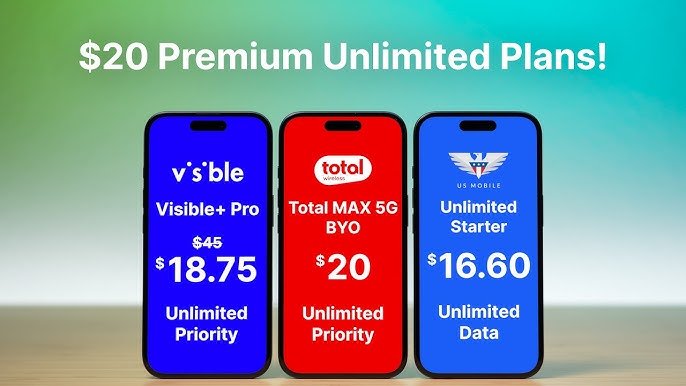
Some plans marketed as unlimited may have policies relating to high-speed data usage, network congestion, video quality or mobile hotspot access. An unlimited phone plan may also have a separate limit on the amount of data that can be shared with a laptop or tablet.
Understanding these conditions can help you compare plans based on what they actually provide rather than relying solely on the word “unlimited.”
Look Beyond the Advertised Price
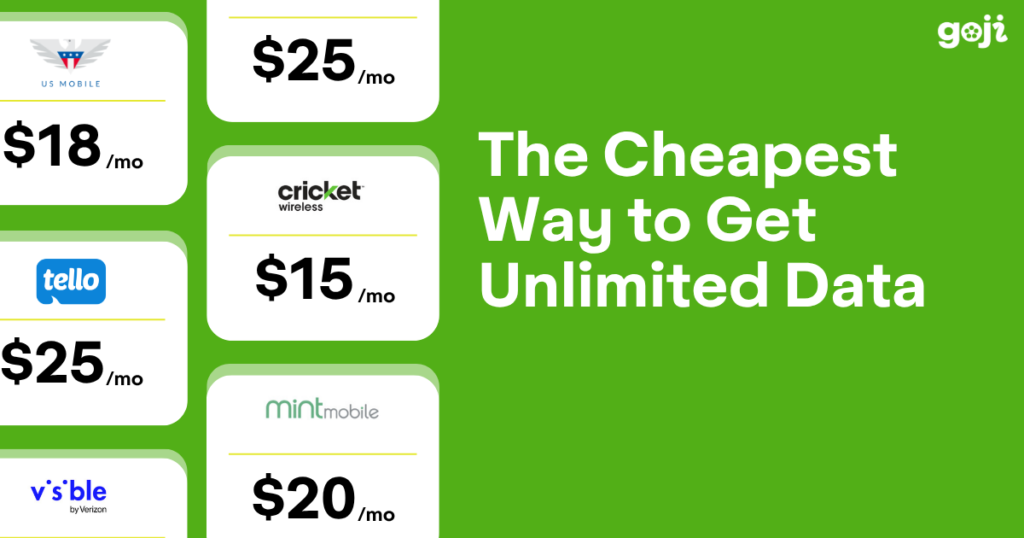
A low monthly price can be appealing, but it isn’t necessarily the full cost of a wireless plan. When comparing affordable wireless plans, check whether taxes and fees are included or charged separately.
It’s also worth checking whether the advertised rate is promotional. Some providers offer special pricing for new customers that may change when the initial service period ends.
Payment terms matter too. Certain plans allow customers to pay monthly, while others offer different pricing when several months of service are purchased upfront. Consider the total amount you’ll pay over the entire service period rather than focusing only on the monthly equivalent.
Check Network Coverage
Price and data allowances are important, but reliable coverage should be just as high on your checklist.
Before choosing a plan, check the provider’s coverage in the places where you spend the most time. That includes your home, workplace, neighbourhood and frequently visited locations.
If you travel regularly, check coverage in those areas as well. Actual network performance can vary depending on location, buildings, terrain, network traffic and the device you’re using, so a coverage map should be considered a useful guide rather than a guarantee.
Consider Hotspot Requirements
Mobile hotspot functionality can be valuable when Wi-Fi isn’t available. You might use it to connect a laptop while travelling, work remotely or get online during an unexpected internet outage.
However, hotspot allowances can vary significantly between plans. Some include a specific amount of hotspot data, while others may offer limited or no hotspot access.
If using your phone as a mobile hotspot is part of your routine, make this a key consideration when comparing flexible data plans.
You May Be Able to Keep Your Current Phone
Changing wireless providers doesn’t always mean buying a new smartphone. Many wireless services allow customers to bring an existing unlocked and compatible device.
Keeping your current phone can make switching considerably more affordable, particularly if your device is relatively new and still performs well. Before making the move, check compatibility and confirm whether your existing number can be transferred.
Find the Plan That Fits Your Lifestyle
There isn’t one wireless plan that suits everyone. The right choice depends on how much data you use, where you need coverage, whether you require hotspot access and how you prefer to manage your payments.
The smartest approach is to compare the complete package rather than chasing the lowest advertised price. Look at data allowances, network coverage, hotspot rules, taxes, fees, renewal pricing and payment terms.
With a little research, affordable wireless plans can provide the flexibility you need without forcing you to pay for features or data you rarely use. Start with your actual habits, understand the fine print and choose a plan that makes sense for the way you use your phone every day.