


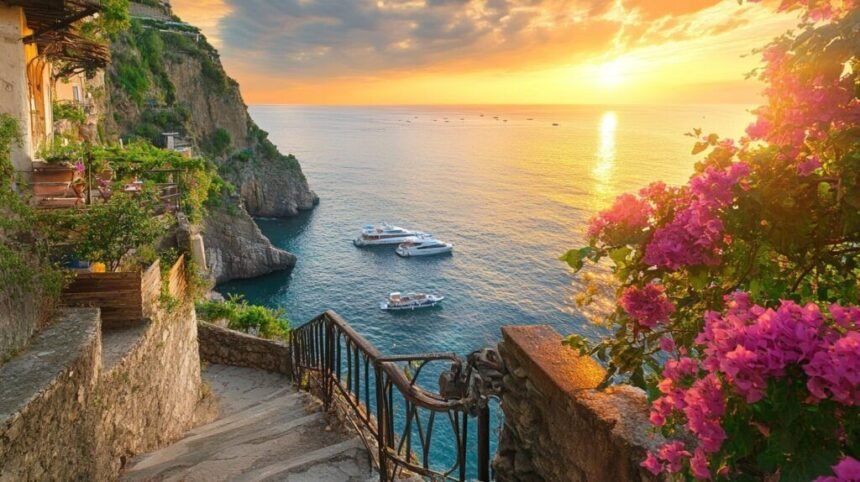
Southern Spain — Málaga, Ibiza, the Costa del Sol — gets most of the international attention, and it earns much of it. But the travellers who know northern Spain tend to feel about it the way people feel about a place they’d rather not publicise too widely. The Green Coast, as it is known locally, stretches from the French border in the Basque Country westward through Cantabria and Asturias to the wild Atlantic edge of Galicia — and it is, by almost every measure, a different country from the sun-baked south. Green hills, dramatic cliffs, misty mornings, world-class food, wild empty beaches, and coastal towns that look like paintings nobody has touched. Here is where to go, what to look for, and how to see it properly.
San Sebastián (Donostia): The City That Perfected Coastal Living
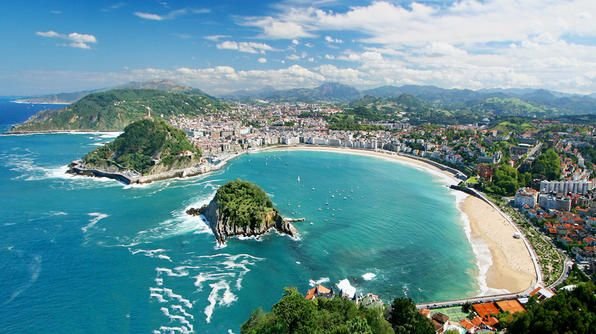
San Sebastián makes this list not because it’s unknown, but because it’s sometimes overlooked for its northern location, despite being one of Europe’s first seaside resorts and one of Spain’s top coastal towns. Its three sandy beaches sit right in the city centre, all within easy walking distance of blocks filled with world-famous pintxos bars and Michelin-starred restaurants. La Concha Beach — a perfectly curved kilometre of fine sand sitting within its bay — is arguably the most beautiful urban beach in Europe, and the pintxos bars of the Old Town that back onto it are the finest concentration of casual, exceptional food anywhere on the continent. Walk the curve of La Concha bay, stay long enough for sunshine after rain, eat pintxos, watch surfers on Zurriola. San Sebastián is a city that rewards travellers who slow down enough to eat their way through it — plan a minimum of two nights.
Bilbao and the Basque Coast: Architecture, Surf, and Fishing Villages
The 70-mile coastal road separating San Sebastián and Bilbao is filled with natural wonders. You can stop for lunch in the fishing town of Getaria, visit the more populous villages of Bermeo, Lekeitio, and Mutriku, and for the best surfing spot in Spain, don’t miss Mundaka — a charming village inside the Urdaibai biosphere reserve. For a classic surfing town, make a beeline for Zarautz. Zarautz has the longest beach in the Basque Country at over 1.5 miles long — and even if you don’t surf, it’s worth visiting for the atmosphere alone, with a long promenade, energetic beach town vibe, and some of the best pintxos bars of any coastal town in the region. Bilbao itself, transformed from an industrial city into a genuine cultural capital by the Guggenheim Museum, rewards an overnight stay before the westward drive continues.
Santander and Cantabria: Belle Époque Elegance Meets Hidden Beaches
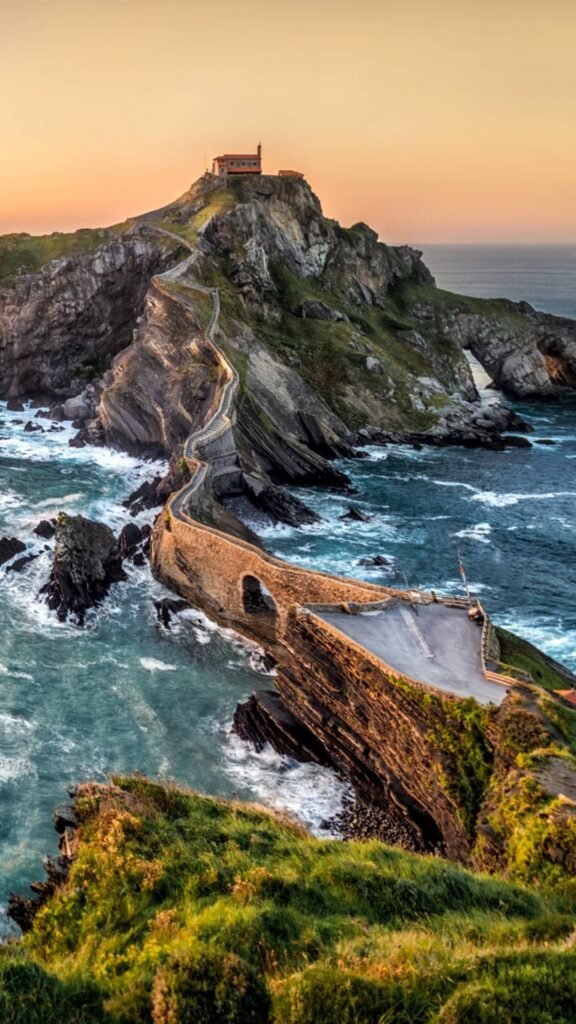
Many people in northern Spain say that the city most similar to San Sebastián is Santander, Cantabria’s capital. Like San Sebastián, Santander also has beautiful urban beaches, lovely architecture, and that Belle Époque ambiance that oozes class and elegance. From the city centre, you can reach more than 10 different beaches within five minutes by car. Hidden between Santander and the Asturian border, Noja is a hidden gem for family beach trips — the Cantabrian town doesn’t have the international recognition of places like Mallorca and Málaga, and its two main beaches, Playa de Ris and Playa de Trengandín, both offer fine golden sand with lifeguards, restrooms, and nearby restaurants. Book accommodation early for summer — it fills faster than its low profile suggests.
Asturias: Cudillero, Llanes, and the Silence Beach
Asturias is the Green Coast at its most elemental — cider bars, dramatic clifftop paths, fishing villages painted in improbable colours, and beaches that feel genuinely undiscovered even in the height of summer. Cudillero feels like a movie you don’t want to end — a true gem among small coastal towns, where houses are stacked on the hillside above a tiny harbour in an arrangement that looks deliberately staged for a photograph. Llanes is one of the best coastal towns in northern Spain for walking — the clifftop paths deliver a string of beaches and coves under you, some sandy, some rocky, some almost empty even in summer.
For beach seekers willing to earn their reward, Playa de Silencio — a hidden gem surrounded by steep cliffs — and Playa Barayo, a wild natural beach with a forest trail approach, are among the most spectacular and least visited beaches on the entire northern coastline. Neither can be reached without effort. Both are entirely worth it.
The Cathedral Beach: Playa de las Catedrales
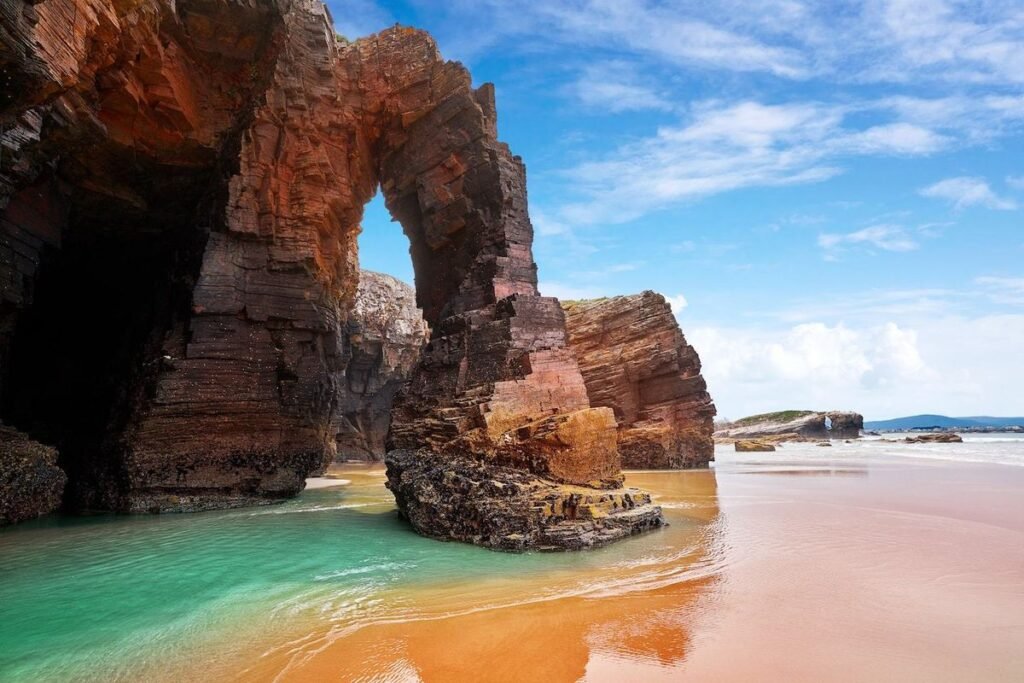
Playa de Catedrales is arguably the most spectacular beach in northern Spain — and quite possibly in the whole country. What makes it so extraordinary are the countless rocks and arch-like formations along the shore, and the fact that almost the entire beach is submerged at high tide. You can only explore the beach and its incredible rock formations at low tide. Because it’s so beautiful, in peak season you’ll need to book free timed-entry tickets in advance to visit. Plan your visit around the tide tables — arriving at high tide means missing the geological spectacle entirely.
Galicia: The Edge of the World
Galicia is where the coast feels like the edge of the world — windy, raw, and ridiculously beautiful. It is home to the famous Cíes Islands and Playa de Rodas, which delivers water so clear and turquoise that arriving here by ferry from Vigo feels like stepping unexpectedly into the Caribbean. A Coruña, situated at the extreme northwest tip of the country, is a quiet coastal city that is quite an overlooked hidden gem — and Fisterra (Finisterre), believed by the Romans to be the end of the world, remains one of the most beautiful and overlooked beach towns in all of northern Spain, with Atlantic Ocean views from its lighthouse that are genuinely unforgettable.
When to Go and How to Move
May, June, and September are the ideal months to visit northern Spain — avoiding both the summer peak crowds and the wet winter months while still delivering warm days and manageable prices. Most beaches along the northern Spain coast are only realistically accessible by car — public transport simply doesn’t reach many of the more remote spots. A road trip is by far the best way to explore the coastline, giving you the freedom to stop spontaneously and find hidden gems. The coastal D-roads between towns are slower than the motorway, but they reveal a version of northern Spain that the motorway never will — and on this particular stretch of coastline, the drive is frequently as rewarding as the destination.
Northern Spain does not perform for tourists. It simply exists — green, dramatic, unhurried, and deeply itself. For travellers prepared to move slowly enough to receive it, it is one of the finest coastal experiences in Europe.