



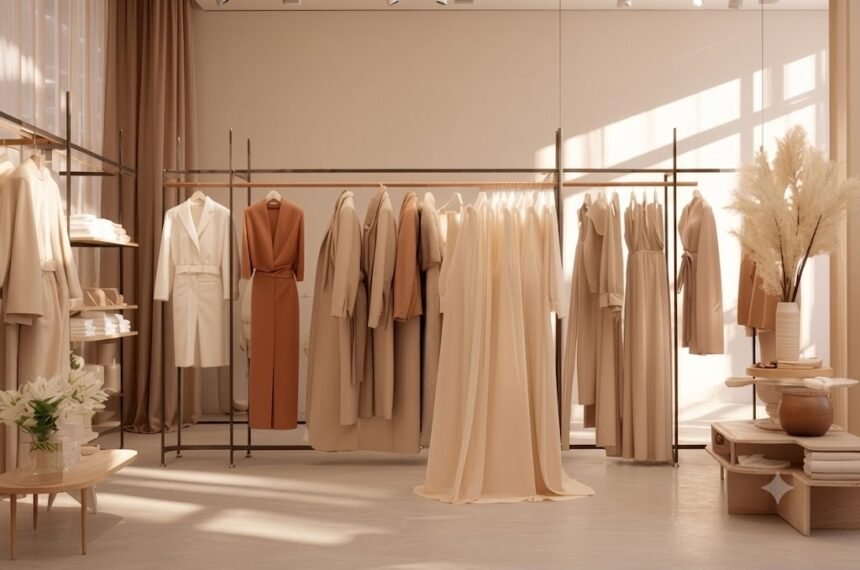
Style has never been exclusively about spending. The most consistently well-dressed people and the most thoughtfully decorated homes rarely belong to those with the largest budgets — they belong to those who understand proportion, quality, and intentionality. The gap between looking expensive and being expensive is wider than most people realise, and it’s a gap you can work with deliberately. Here’s how to build both a wardrobe and a living space that look considered and cohesive, without the price tag that’s supposed to come with it.
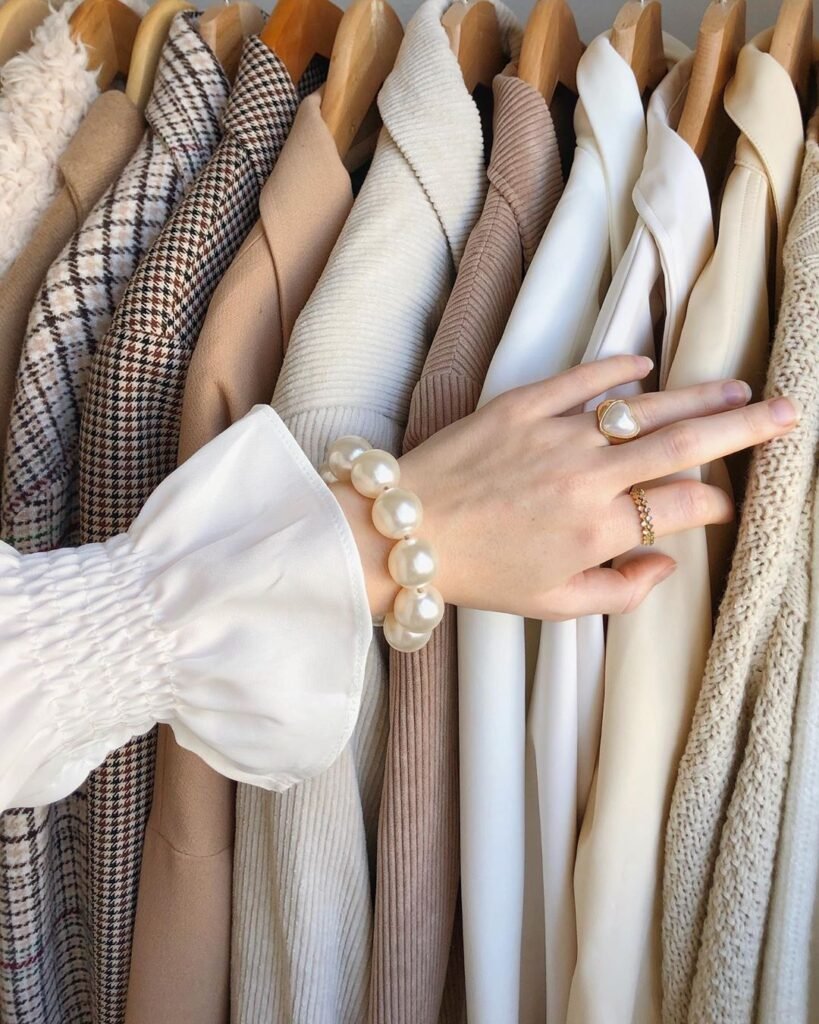
Start With a Clear Aesthetic Direction
The single most expensive mistake in both fashion and home décor is buying without a framework. A wardrobe full of individual pieces that don’t work together, or a room assembled from mismatched styles, costs far more over time than a smaller, curated collection built around a consistent direction. Before purchasing anything, define your aesthetic in three words — whether that’s clean, minimal, warm or eclectic, layered, earthy — and use those words as a filter. If something doesn’t fit the framework, it doesn’t come home. This discipline alone eliminates impulse purchases and the eventual cost of replacing them.
Build Your Wardrobe Around Versatile Foundations
A capsule wardrobe approach — a core of high-quality, neutral basics that work across multiple combinations — is the most cost-effective long-term strategy for dressing well. Neutral tones in well-cut silhouettes (a tailored trouser, a structured blazer, quality white shirts, a well-fitted dark denim) carry the vast majority of your daily outfits and age well across seasons and trends. Budget is best spent on the pieces you wear most frequently, not the statement items you reach for occasionally. Statement pieces, by contrast, are where secondhand shopping, end-of-season sales, and thrift stores genuinely deliver — because a bold vintage jacket or a striking printed dress doesn’t need to last a decade; it needs to make an impact a handful of times.
Shop Secondhand Strategically, Not Randomly
Secondhand shopping rewards specificity. Walking into a thrift store without a list produces random results; searching for a specific item — a camel coat, a ceramic table lamp, a linen throw — in secondhand platforms or charity shops dramatically improves your hit rate. Online resale platforms have made this even more efficient, allowing you to filter by size, colour, brand, and condition. For home décor particularly, secondhand is where the most interesting pieces live — solid wood furniture, ceramic vessels, vintage mirrors, and textured textiles that new budget homeware rarely replicates convincingly.
Focus on Texture and Proportion Over Price in the Home
A room looks expensive when it balances texture, scale, and light — none of which cost as much as a full furniture overhaul. Layering a linen throw over a budget sofa, grouping objects in odd numbers on a shelf, introducing a large plant to fill vertical space, or replacing generic lighting with a more characterful fixture are all changes that cost very little and shift the entire feel of a room. Similarly, a gallery wall of inexpensive prints in consistent frames reads as intentional design rather than budget compromise. The principle behind expensive-looking interiors is almost always restraint combined with deliberate contrast — not the price of individual items.
Invest Selectively, Spend Minimally Elsewhere
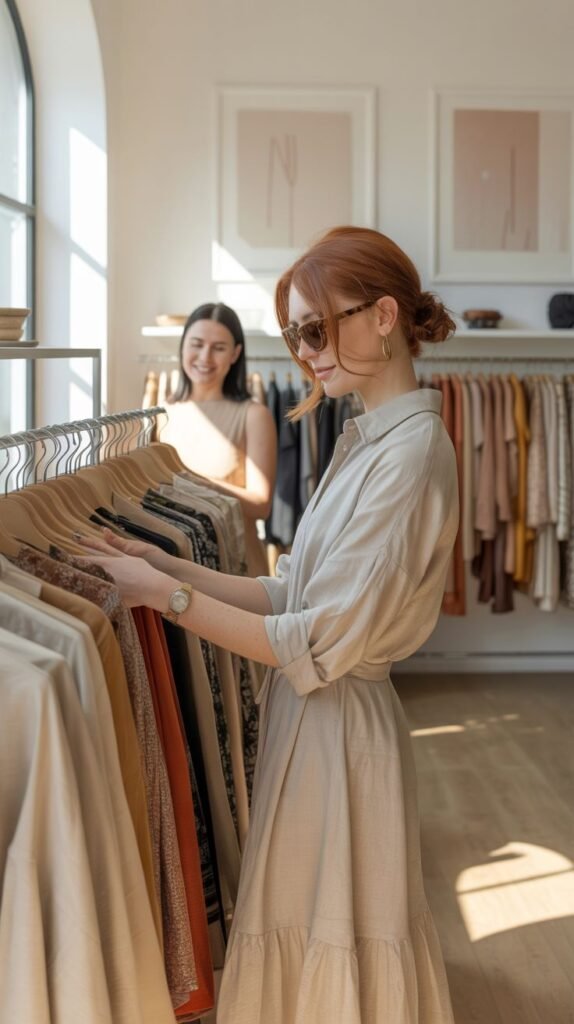
Both a strong wardrobe and a strong home benefit from one or two genuine investments surrounded by budget-conscious choices. A well-made leather bag elevates an otherwise affordable outfit. A quality sofa anchor holds a room together even if every other piece came from a sale or a secondhand find. Identifying the one or two items in each category where quality is genuinely visible and tactile — and investing there — makes the budget choices around them look more considered by association.
The Underlying Principle
Style at any budget comes down to the same thing: intention. The person who buys three pieces they love beats the one who fills a wardrobe with twenty compromises every time. The room assembled slowly, with patience and a clear eye, outperforms the one furnished in a single weekend shopping trip. Budget constraints, handled deliberately, don’t produce lesser results — they often produce more interesting, more personal, and more lasting ones.
The idea that style is expensive is one of the most persistent and most damaging myths in both fashion and interiors. It is the belief that a beautifully put-together home requires a significant renovation budget, and that a wardrobe worth wearing demands premium price tags at every turn. Neither is true — and the people who understand this most clearly are not the ones with the largest budgets. They are the ones who have learned to make deliberate, considered choices within the budget they actually have.