



As sustainability becomes a central conversation in fashion, eco fabrics are moving from niche labels to mainstream wardrobes. Shoppers are increasingly curious about what their clothes are made from and how those materials affect the planet. Among the most talked-about options are bamboo and hemp, along with a growing list of innovative textiles designed to reduce environmental impact. Understanding these materials helps consumers make smarter choices while supporting a more responsible fashion industry.
Bamboo fabric has gained popularity for its softness, breathability, and natural appeal. Bamboo plants grow quickly, require minimal pesticides, and regenerate easily after harvesting, making them seem like an eco-friendly alternative to traditional fibers. When processed mechanically into linen-like textiles, bamboo can be relatively sustainable. However, many bamboo fabrics on the market are actually rayon or viscose, which involve chemical-heavy manufacturing processes. This does not necessarily make them bad, but it highlights the importance of looking for certifications and transparent production practices when choosing bamboo-based clothing.

Hemp is another standout material known for its durability and environmental benefits. It grows rapidly, requires little water, and naturally resists pests, reducing the need for harmful chemicals. Hemp fibers create strong fabrics that soften over time, making them ideal for long-lasting clothing. Historically associated with rugged or coarse textures, modern hemp blends have evolved into softer, more versatile materials suitable for everyday wear. Designers are increasingly combining hemp with organic cotton or recycled fibers to create breathable garments that balance comfort with sustainability.
Organic cotton remains one of the most widely recognized eco-friendly fabrics. Unlike conventional cotton, it is grown without synthetic pesticides or fertilizers, helping protect soil health and reduce water pollution. While organic cotton still requires significant water resources compared to some alternatives, improvements in farming methods and certifications help ensure more responsible production. For many consumers, switching to organic cotton basics — such as T-shirts, undergarments, and casual wear — is a practical step toward building a more sustainable wardrobe.
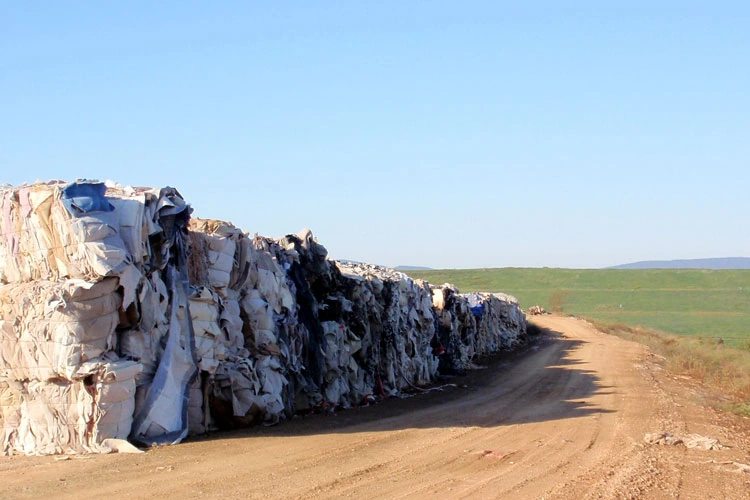
Recycled fabrics are also reshaping the future of eco fashion. Materials like recycled polyester, created from post-consumer plastic bottles or discarded textiles, help reduce waste and lower reliance on virgin resources. While recycled synthetics still have environmental considerations, including microfiber shedding, they represent an important step toward circular fashion systems. Brands are increasingly exploring innovative ways to recycle old garments into new fibers, extending the life cycle of materials that might otherwise end up in landfills.
Another emerging category is plant-based leather alternatives made from pineapple leaves, mushroom fibers, apple waste, and cactus materials. These innovative textiles offer cruelty-free options while reducing dependence on petroleum-based synthetics or traditional animal leather. Although many of these materials are still developing in terms of durability and scalability, they demonstrate how technology and creativity are reshaping sustainable fashion possibilities.
Choosing eco fabrics goes beyond selecting specific materials; it also involves considering longevity and responsible consumption. A durable hemp jacket worn for years can have a smaller environmental footprint than multiple fast-fashion items purchased frequently. Understanding care instructions — such as washing clothes less often, using cold water, and air-drying — further reduces environmental impact while extending garment life. Sustainable fashion is as much about mindful habits as it is about fabric choices.
Transparency plays a crucial role in navigating eco-friendly textiles. Certifications like GOTS (Global Organic Textile Standard), OEKO-TEX, and FSC help verify claims about environmental responsibility and ethical production. Consumers can also research brands that prioritize supply chain transparency, fair labor practices, and long-term sustainability goals. By asking questions and supporting responsible companies, shoppers encourage the industry to move toward more sustainable practices.
Ultimately, eco fabrics like bamboo, hemp, organic cotton, recycled textiles, and plant-based innovations represent a shift toward more conscious fashion. While no material is completely impact-free, each step toward responsible production helps reduce environmental harm. As technology advances and consumer awareness grows, the range of sustainable fabric options will continue to expand. By understanding how these materials are made and how they fit into everyday wardrobes, individuals can make choices that align with both personal style and environmental responsibility — proving that fashion and sustainability can evolve together in meaningful ways.