
When it comes to hiking, what you wear can make or break your experience. The right clothing keeps you comfortable, protects you from the elements, and allows you to move freely across different terrains.
Whether you’re heading out for a short nature walk or a full-day trek, choosing proper hiking apparel is just as important as picking the right trail.
Why Hiking Clothing Matters
Unlike regular outfits, hiking clothes are designed to handle sweat, weather changes, and rough conditions. Wearing inappropriate clothing can lead to discomfort, overheating, or even health risks like hypothermia.
Good hiking apparel helps you:
- Stay dry and comfortable
- Regulate body temperature
- Prevent chafing and blisters
- Adapt to changing weather conditions
The Layering System Explained
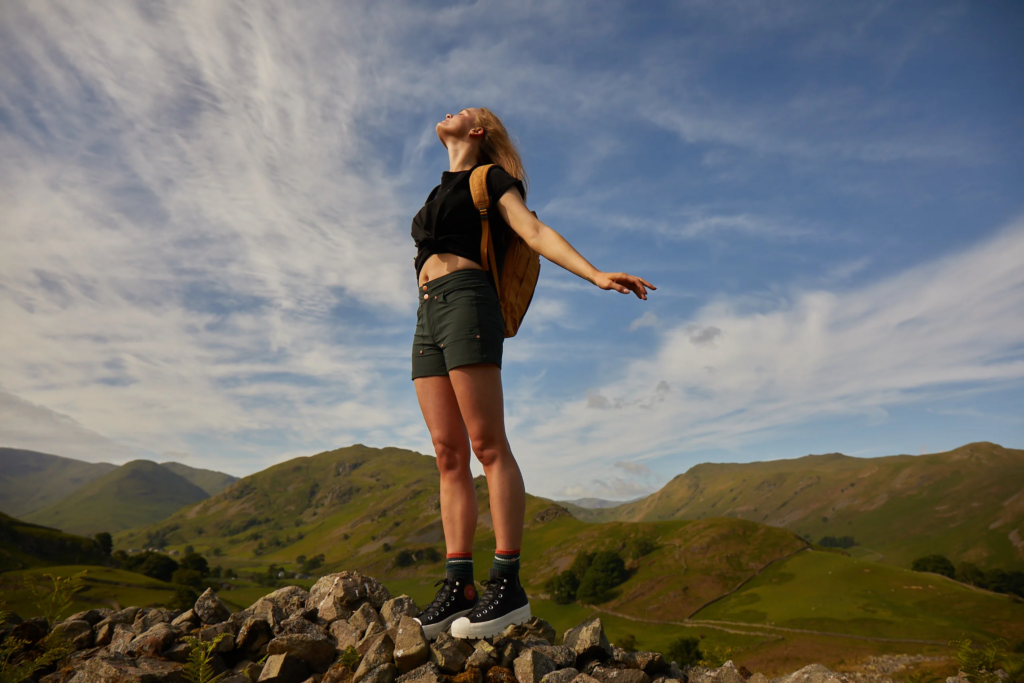
One of the most important principles of hiking clothing is layering. This allows you to adjust your outfit based on weather and activity level.
1. Base Layer (Moisture Management)
This layer sits closest to your skin and is responsible for wicking away sweat.
- Choose materials like polyester, merino wool, or nylon
- Avoid cotton, as it retains moisture and dries slowly
2. Mid Layer (Insulation)
The mid layer helps retain body heat, especially in cooler conditions.
- Fleece jackets or lightweight down jackets work well
- Ideal for early mornings or high-altitude hikes
3. Outer Layer (Protection)
This layer shields you from wind, rain, and snow.
- Look for waterproof and windproof jackets
- Breathable materials are essential to prevent overheating
Choosing the Right Hiking Bottoms
Your lower body needs just as much attention as your upper body.
- Hiking pants: Durable, quick-drying, and flexible
- Convertible pants: Great for changing weather (zip-off legs)
- Shorts: Suitable for warm climates, but ensure they allow free movement
- Leggings: Comfortable for light hikes, but choose durable ones
Avoid denim, as it is heavy and uncomfortable when wet.
Footwear: The Foundation of Every Hike
Your shoes are arguably the most important part of your hiking outfit.
- Hiking boots: Best for rough terrain and long hikes
- Trail shoes: Lightweight and ideal for easy trails
- Socks: Use moisture-wicking, cushioned socks to prevent blisters
Make sure your footwear is well-fitted and broken in before hitting the trail.
Accessories You Shouldn’t Ignore
Small details can make a big difference during your hike:
- Hat or cap: Protects from sun exposure
- Sunglasses: Shields your eyes from UV rays
- Gloves: Essential for cold-weather hikes
- Buff or scarf: Useful for dust, wind, or cold conditions
Seasonal Clothing Tips
Summer Hiking
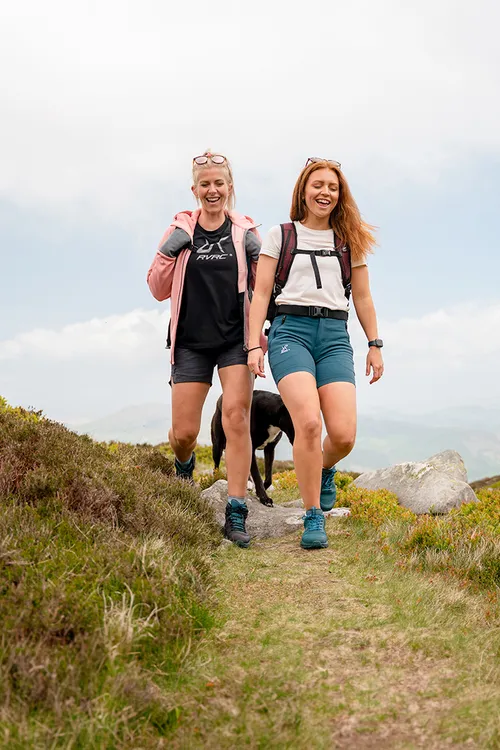
- Wear lightweight, breathable fabrics
- Choose light colors to reflect heat
- Stay protected with sun-blocking clothing
Winter Hiking
- Focus on insulation and layering
- Wear thermal base layers
- Don’t forget waterproof outerwear
Rainy Conditions
- Invest in a high-quality rain jacket
- Use quick-drying materials
- Pack extra dry clothing
Common Mistakes to Avoid
Even experienced hikers sometimes get their clothing wrong. Here are a few things to watch out for:
- Wearing cotton clothing
- Overdressing and overheating
- Ignoring weather forecasts
- Wearing brand-new shoes without breaking them in
- Not carrying an extra layer
Sustainable and Smart Choices
As outdoor enthusiasts, it’s important to choose eco-friendly clothing options when possible:
- Look for recycled materials
- Support ethical outdoor brands
- Invest in durable clothing that lasts longer
Sustainable choices not only benefit the environment but also ensure better product quality over time.