


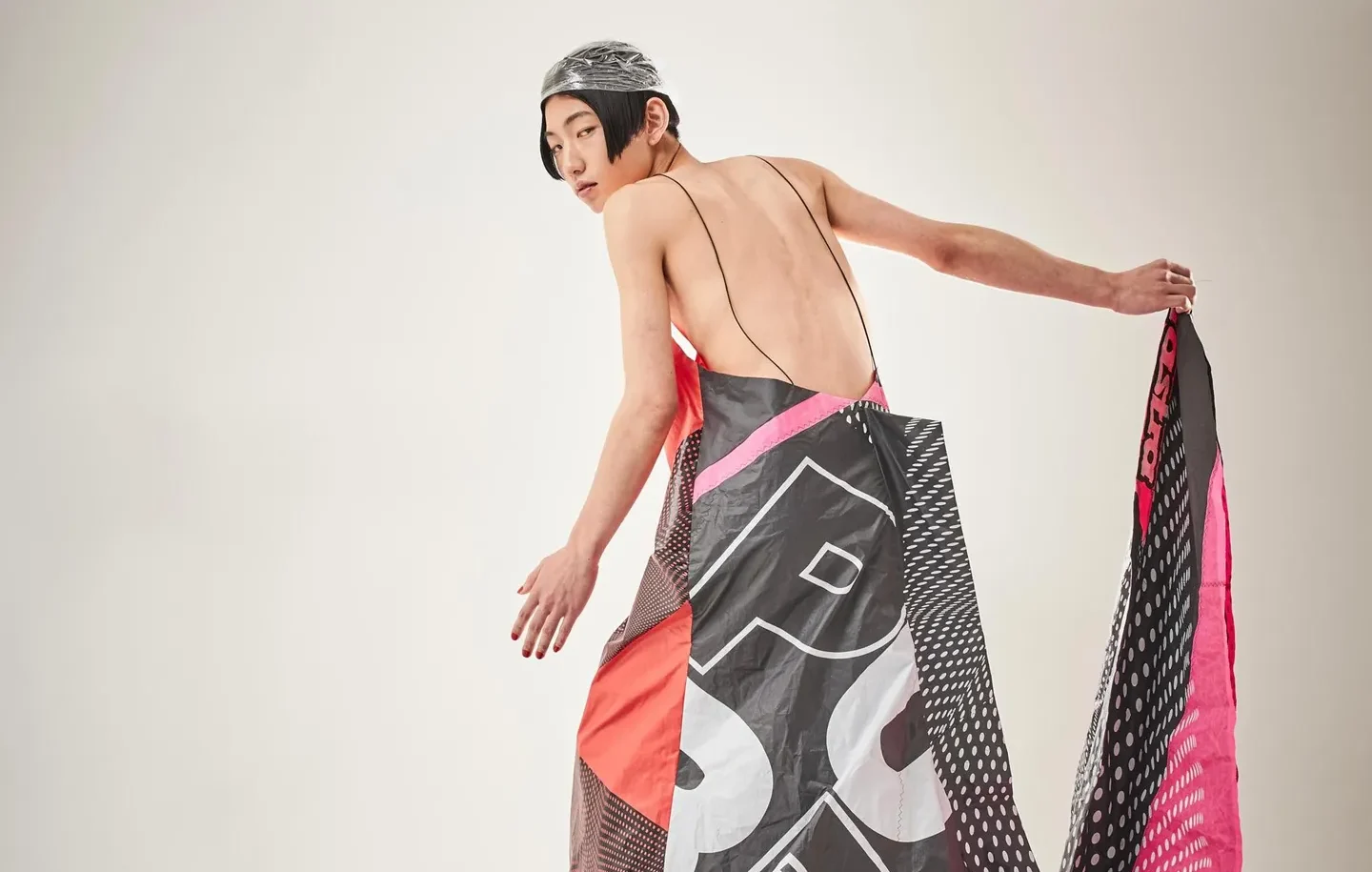
Luxury fashion has long been associated with exclusivity, premium materials, and high price tags. However, a new movement is redefining what luxury truly means. Upcycled fashion—where designers transform discarded or surplus materials into high-end garments—has moved from niche experimentation to a respected force within the industry. Today, “recycled runway” collections are appearing at major fashion weeks, proving that sustainability and luxury can coexist beautifully.
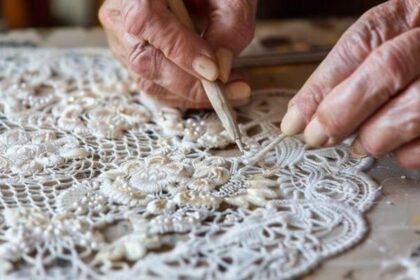
Upcycling differs from traditional recycling because it focuses on creatively reusing existing materials rather than breaking them down into raw components. Designers might transform vintage garments, leftover fabrics, or industrial textiles into entirely new creations. This process reduces waste while giving each piece a unique story and character. Instead of mass production, upcycled luxury fashion often emphasizes craftsmanship and limited-edition designs, which naturally aligns with the concept of exclusivity.
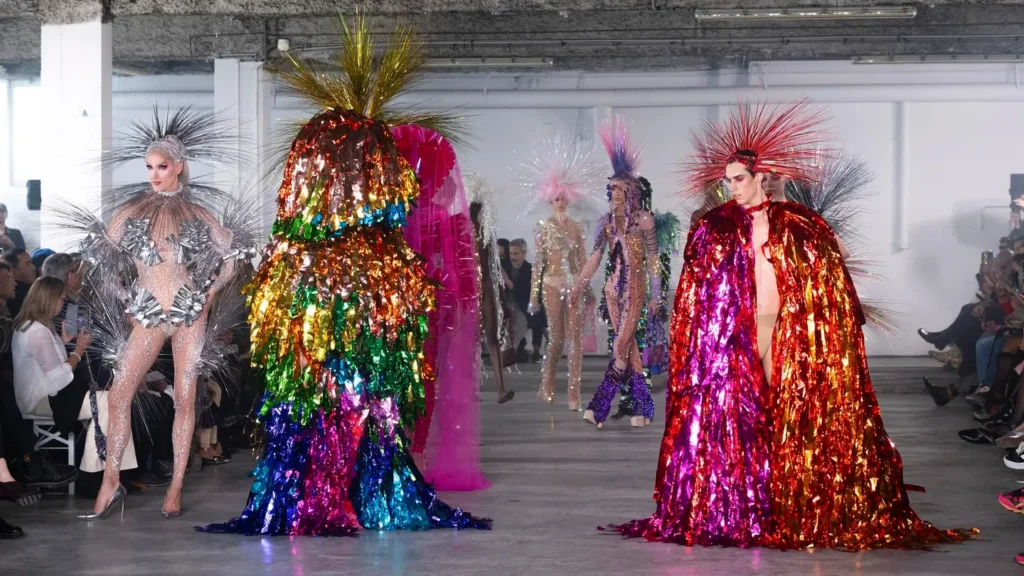
One reason upcycled fashion has gained traction in the luxury space is the growing awareness of environmental issues. The fashion industry has faced criticism for its impact on landfills, water consumption, and carbon emissions. As consumers become more conscious of their purchasing habits, many are seeking clothing that reflects their values. Luxury brands are responding by embracing sustainable practices without compromising on quality or aesthetics. Upcycled pieces demonstrate that fashion can be both environmentally responsible and visually striking.
High-end designers have played a significant role in elevating upcycling to luxury status. By incorporating repurposed materials into couture collections, they have challenged outdated perceptions that recycled clothing looks cheap or worn. Instead, these garments often showcase intricate tailoring, bold creativity, and innovative construction techniques. Some designers even highlight visible patches or reconstructed seams as artistic elements, turning imperfections into design features that celebrate sustainability.
The appeal of upcycled luxury also lies in its uniqueness. In an era where fast fashion can produce identical items in massive quantities, consumers are increasingly drawn to pieces that feel personal and one-of-a-kind. Upcycled garments often exist as single pieces or small runs, making them highly desirable for fashion enthusiasts who want something distinctive. Owning a garment made from reclaimed materials adds a layer of storytelling that resonates with modern buyers.
Technology and innovation have further expanded the possibilities of upcycled fashion. Advanced fabric treatment methods allow designers to restore and enhance old materials, making them look and feel brand new. Digital design tools enable creative experimentation, while sustainable dyeing processes reduce environmental impact. These innovations help bridge the gap between traditional luxury craftsmanship and eco-conscious production methods.
Another factor driving the rise of upcycled luxury is the influence of younger generations. Millennials and Gen Z consumers prioritize authenticity and sustainability when making fashion choices. Social media platforms showcase the artistry behind upcycled garments, highlighting the craftsmanship and creativity involved. Influencers and celebrities wearing upcycled couture on red carpets and at major events have also helped normalize the concept of recycled luxury in mainstream culture.
Despite its growing popularity, upcycled fashion does come with challenges. Sourcing consistent materials can be difficult, as designers often rely on limited supplies of vintage fabrics or surplus stock. Production processes may also be more time-consuming and labor-intensive compared to traditional manufacturing. However, many brands view these challenges as opportunities to create more meaningful and thoughtful fashion experiences rather than focusing solely on mass production.
Beyond individual garments, the upcycling movement encourages a broader shift in how people view clothing. It challenges the idea that luxury must be new or resource-intensive, promoting the concept that creativity and sustainability can define high-end design. Some luxury houses now offer repair and customization services, allowing customers to extend the life of their existing wardrobe and reduce waste.
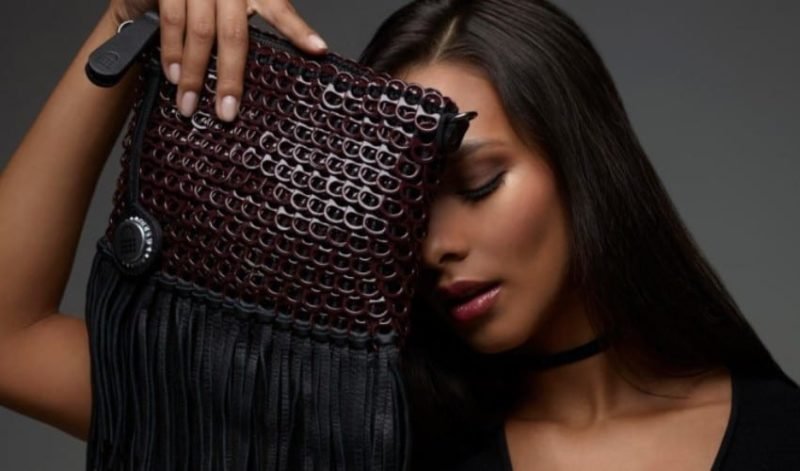
Ultimately, the rise of upcycled fashion signals a transformation in the definition of luxury itself. Instead of focusing only on new materials and excess production, modern luxury celebrates innovation, responsibility, and individuality. Upcycled garments represent a fusion of artistry and environmental awareness, proving that fashion can evolve without losing its sense of elegance or craftsmanship.
As consumers continue to seek meaningful purchases and brands explore new creative possibilities, recycled runway collections are likely to become even more influential. Upcycled luxury is not just a passing trend—it is a reflection of changing values and a glimpse into a more sustainable future for fashion. By turning waste into wearable art, designers are proving that true luxury lies in imagination, purpose, and respect for the world we share.