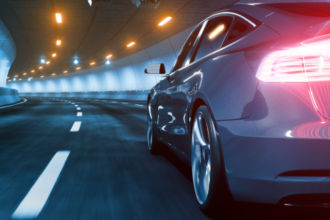



mainly by speed, power, and mechanical performance, the industry is now being reshaped by technology, sustainability, and changing consumer expectations. From electric vehicles to smart connectivity, today’s automobiles are no longer just modes of transport—they are intelligent mobility solutions designed for a rapidly evolving future.
One of the most significant shifts in the automotive sector is the rise of electric vehicles. Driven by environmental concerns and stricter emission regulations, automakers across the globe are investing heavily in electrification. Modern electric cars offer impressive driving ranges, fast-charging capabilities, and lower operating costs compared to traditional petrol or diesel vehicles. As charging infrastructure expands and battery technology improves, electric vehicles are becoming a realistic choice for everyday drivers rather than a niche option.

Alongside electrification, hybrid technology continues to gain traction. Hybrid vehicles provide a bridge between conventional engines and fully electric models, combining fuel efficiency with reduced emissions. For many consumers, hybrids offer flexibility, especially in regions where charging networks are still developing. This balanced approach has helped accelerate the transition toward cleaner mobility without compromising convenience.
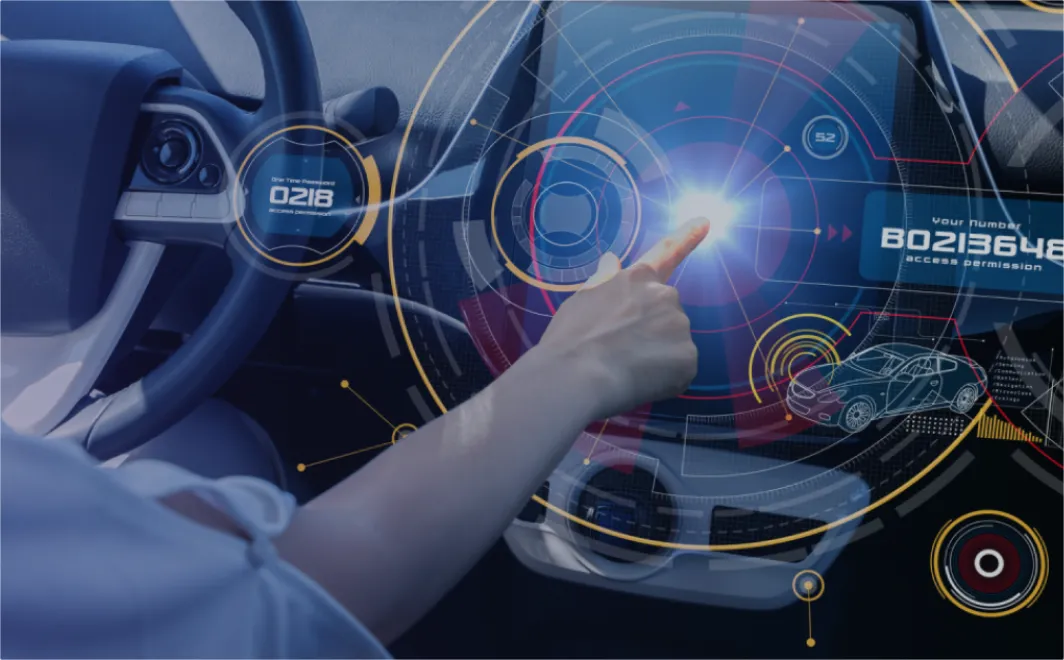
Technology has become the heart of modern automotive design. Advanced driver-assistance systems, such as adaptive cruise control, lane-keeping assistance, and automatic emergency braking, are now common features. These systems enhance safety by supporting drivers and reducing the risk of accidents. As vehicles become smarter, they are increasingly capable of making split-second decisions that protect passengers, pedestrians, and other road users.
Connectivity is another major influence shaping the automotive experience. Cars are now integrated with smartphones, navigation systems, and cloud-based services. Drivers can access real-time traffic updates, stream music, and even control certain vehicle functions remotely. Over-the-air software updates allow manufacturers to improve performance and add features long after a vehicle has been purchased, changing the traditional relationship between car owners and automakers.
Design philosophy in the automotive world is also evolving. Modern vehicles are being created with a focus on aerodynamics, efficiency, and sustainability. Interiors emphasize comfort, intuitive layouts, and high-quality materials, transforming cabins into calm, digital-friendly spaces. Touchscreens, digital dashboards, and minimalist controls reflect a shift toward cleaner, more futuristic aesthetics.
Sustainability extends beyond fuel choice. Automakers are exploring eco-friendly materials such as recycled plastics, vegan leather alternatives, and responsibly sourced components. Manufacturing processes are also being optimized to reduce waste and energy consumption. These efforts reflect a broader commitment to environmental responsibility across the automotive value chain.
Autonomous driving technology represents one of the most ambitious goals in the industry. While fully self-driving cars are still in development, partial automation is already here. Features like hands-free driving on highways and automated parking are changing how drivers interact with their vehicles. As regulations evolve and technology matures, autonomous systems are expected to play a larger role in improving road safety and traffic efficiency.

Consumer expectations are also reshaping the market. Today’s buyers prioritize reliability, efficiency, and digital features alongside traditional performance metrics. Subscription-based services, flexible ownership models, and shared mobility options are gaining popularity, particularly among younger generations who value access over ownership.
The future of the automotive industry is not defined by a single innovation, but by the convergence of many. Electrification, automation, connectivity, and sustainability are working together to redefine mobility. As vehicles become smarter and more responsible, driving is transforming from a purely mechanical activity into a connected, efficient, and increasingly personalized experience. The road ahead promises not just better cars, but a smarter and more sustainable way to move through the world.