

In today’s fast-changing world, one of the most valuable skills you can develop is the ability to keep learning. Whether it’s mastering new technology, picking up a hobby, or developing career-related skills, learning is no longer something that ends with school—it’s a lifelong process. The digital age has made knowledge more accessible than ever, but it has also raised the stakes: those who embrace continuous learning are more likely to thrive in both personal and professional aspects of life.
Learning Beyond the Classroom
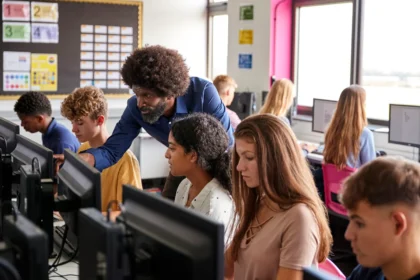
For a long time, education was seen as something that happened in classrooms, with textbooks, exams, and degrees marking milestones of achievement. While formal education is still important, it’s just one part of the bigger picture. Today, learning has extended far beyond those walls.

Podcasts, online courses, webinars, workshops, and even YouTube tutorials are making high-quality learning resources available to anyone with an internet connection. This democratization of knowledge has opened doors for millions of people who might not have had access to traditional education. You can now learn coding, photography, cooking, or even a new language from the comfort of your home.
The Link Between Learning and Growth
One of the most powerful things about learning is that it stimulates personal growth. Every time you acquire a new skill or piece of knowledge, you expand your perspective and increase your confidence. For example, learning to manage time effectively can reduce stress and improve productivity, while learning communication skills can strengthen relationships and open doors in your career.
On a deeper level, learning changes the brain itself. Neuroscience research shows that when you learn, new neural connections are formed, improving memory and cognitive flexibility. This is why lifelong learning is also linked to better mental health and a reduced risk of cognitive decline as we age.
Professional Benefits of Lifelong Learning
In the workplace, learning is no longer optional—it’s a necessity. Industries are evolving rapidly, and the skills that were relevant five years ago may already be outdated today. Employees who make continuous learning a priority not only stay relevant but also become more adaptable to change.
For professionals, this can mean pursuing certifications, attending seminars, or keeping up with the latest industry trends. Employers value lifelong learners because they bring curiosity, problem-solving ability, and resilience to the table. In many ways, the ability to learn quickly is becoming just as important as the knowledge itself.
For entrepreneurs and business leaders, learning is equally critical. From understanding customer behavior to keeping pace with new technologies, ongoing education can make the difference between success and stagnation.
Learning as a Lifestyle
Beyond career goals, adopting learning as a lifestyle can make life richer and more fulfilling. Picking up a creative skill like painting, writing, or playing a musical instrument not only brings joy but also reduces stress and builds patience. Learning about history, culture, or philosophy broadens your worldview and fosters empathy for others.
Many people also find that learning brings a sense of purpose. When you challenge yourself with something new—whether it’s training for a marathon, exploring gardening, or studying a new subject—you cultivate discipline and motivation that spill over into other areas of your life.
How to Cultivate Lifelong Learning
If you want to embrace learning as part of your daily life, here are a few strategies to get started:

- Stay curious: Ask questions and seek out answers. Curiosity is the first step to growth.
- Set goals: Whether it’s reading one book a month or finishing an online course, goals give structure to your learning.
- Use technology wisely: Leverage apps, e-learning platforms, and podcasts to make learning flexible and accessible.
- Practice what you learn: Apply new knowledge in real-life situations to reinforce it.
- Stay consistent: Small, steady efforts over time are more effective than occasional bursts of study.
Final Thoughts
Learning is no longer a stage of life—it’s a lifelong journey. In an ever-evolving world, the people who continue to learn will stay resilient, adaptable, and fulfilled. From sharpening career skills to exploring personal passions, the possibilities are endless.
By making learning a daily habit, you not only prepare yourself for the challenges of the future but also enrich your mind, body, and soul in the present. The truth is simple: the more you learn, the more you grow.