


As urban homes get smaller and lifestyles become more dynamic, one design trend is reshaping interiors in 2026 — multifunctional small spaces. Whether it’s a studio apartment, compact city flat, or cozy suburban home, the focus is no longer on square footage. It’s on smart design.
Today’s homes must serve multiple purposes: office, gym, dining room, entertainment zone, and relaxation retreat — often within the same few hundred square feet. The key isn’t adding more space. It’s using what you have intelligently.
Why Multifunctional Design Is Trending
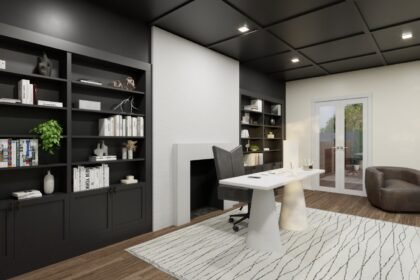
Rising property costs and hybrid work models have changed how people use their homes. A spare bedroom might now double as a workspace. A living room could transform into a guest suite. Even balconies are becoming mini gardens or reading nooks.
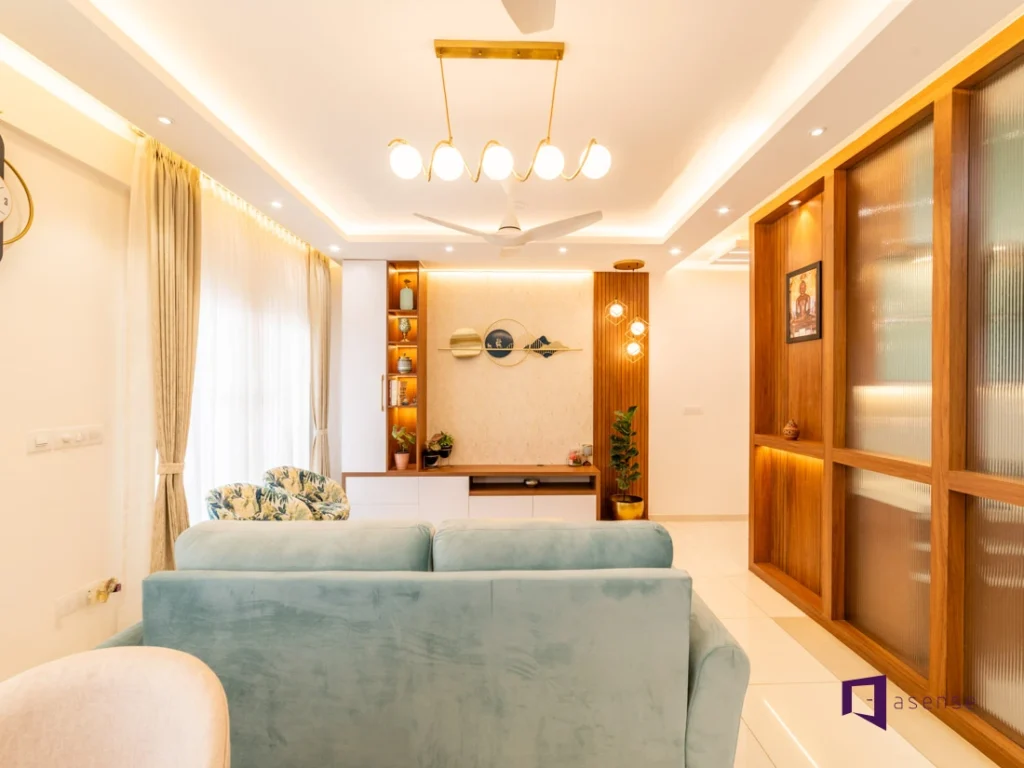
Homeowners are prioritizing flexibility over fixed layouts. Rooms that can adapt throughout the day are far more valuable than single-purpose spaces.
This trend isn’t just practical — it’s creative.
Furniture That Does More
The heart of multifunctional design lies in versatile furniture. Modern innovations allow pieces to transform effortlessly:
- Sofa beds for overnight guests
- Fold-down wall desks for home offices
- Extendable dining tables
- Storage ottomans
- Murphy beds that disappear into cabinetry
These solutions eliminate clutter while maximizing usability.
Instead of crowding a room with separate items, multifunctional furniture reduces visual noise and keeps spaces open.
Hidden Storage Is Everything
Small spaces can quickly feel chaotic without smart storage. Built-in shelves, under-bed drawers, vertical wall units, and hidden compartments are essential.
Floor-to-ceiling cabinetry utilizes vertical space, while floating shelves maintain openness. Even staircases can include concealed storage drawers.
The secret is making storage seamless — integrated into the design rather than appearing as an afterthought.
Zoning Without Walls
One challenge of small spaces is defining areas without making them feel cramped. Designers now use subtle zoning techniques instead of solid walls.
Examples include:
- Area rugs to separate living and dining zones
- Open shelving units as partial dividers
- Sliding glass panels for flexible privacy
- Curtains to create temporary sleeping areas
- Different lighting styles to signal functional shifts
These strategies maintain openness while clearly organizing the space.
The Power of Light and Color
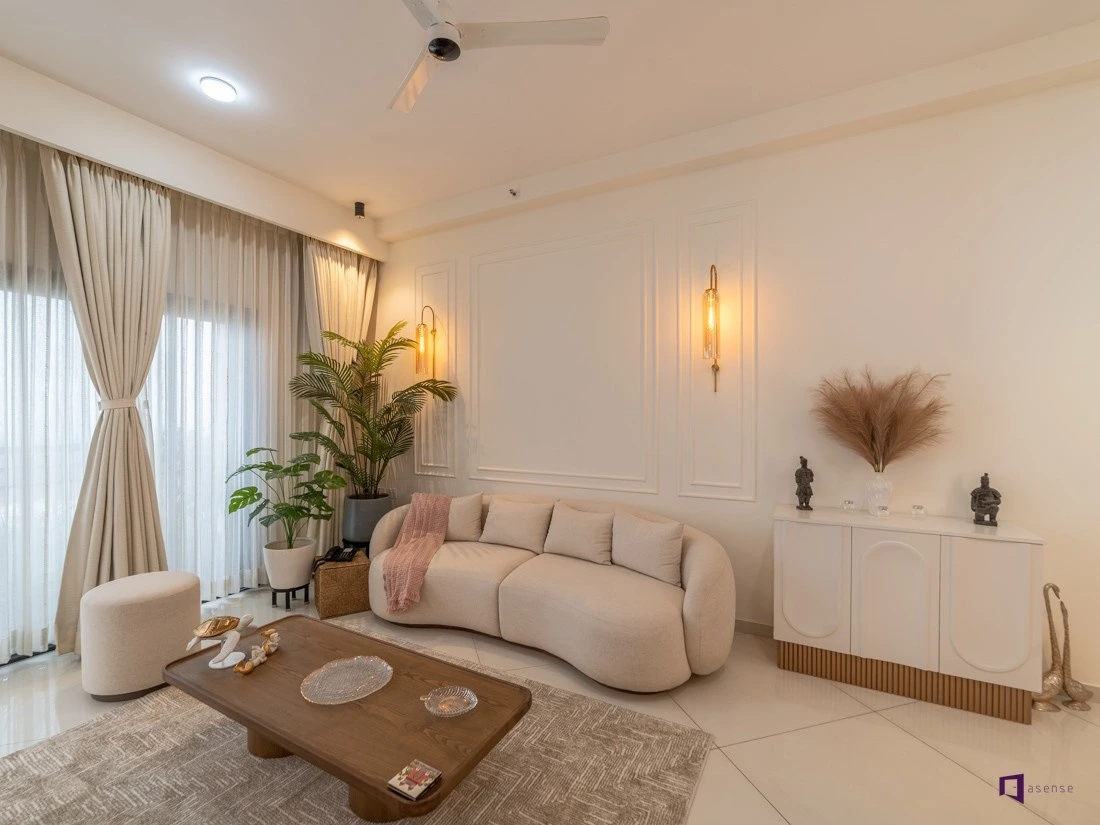
Multifunctional spaces benefit from thoughtful color and lighting choices. Light, neutral tones help rooms feel larger and more cohesive.
Mirrors reflect light and visually expand space. Layered lighting — combining ceiling fixtures, wall sconces, and task lamps — allows the room to shift mood depending on the time of day.
For example, bright lighting may energize a workspace in the morning, while warm ambient lighting creates a cozy evening atmosphere.
Foldable and Mobile Design
Flexibility is a defining feature of this trend. Foldable chairs, stackable stools, and rolling carts allow homeowners to reconfigure layouts quickly.
A rolling kitchen island can serve as prep space during cooking and move aside for entertaining. A folding screen can create privacy when needed and disappear afterward.
Mobility ensures that a room never feels static.
Minimalism With Purpose
Multifunctional design naturally encourages intentional living. When space is limited, every item must earn its place.
This leads to:
- Fewer decorative clutter pieces
- More streamlined furniture
- Thoughtfully selected décor
- Emphasis on quality over quantity
Rather than feeling restrictive, this approach often creates a sense of calm and control.
Technology Integration
Smart home technology also plays a role. Compact homes increasingly integrate:
- Wall-mounted TVs that double as art displays
- Smart lighting systems
- Compact, energy-efficient appliances
- Hidden charging stations
Technology enhances function without consuming physical space.
Creating Comfort in Compact Living
One misconception about small multifunctional spaces is that they feel temporary or cramped. In reality, when designed thoughtfully, they can feel cozy and highly efficient.
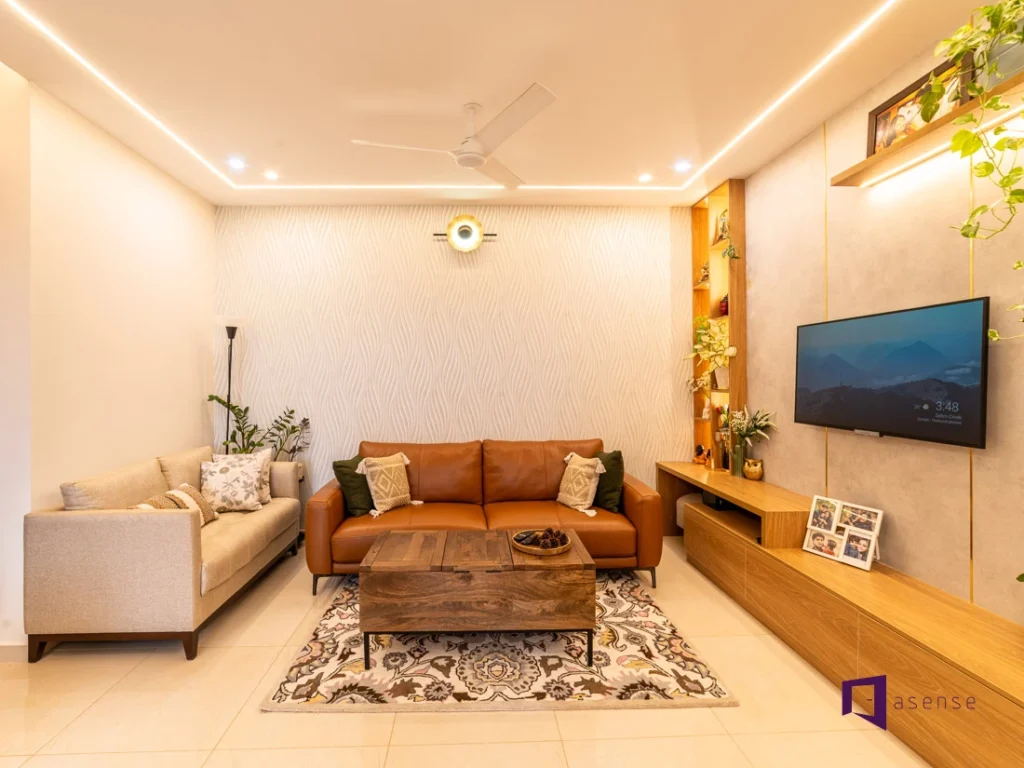
Soft textiles, layered textures, and personal touches prevent the space from feeling sterile. Even a small reading corner with a comfortable chair and lamp can become a daily sanctuary.
The Future of Flexible Living
As cities grow and housing trends evolve, multifunctional small spaces will continue to dominate interior design. They reflect a shift toward adaptability, sustainability, and intentional use of resources.
Instead of longing for larger homes, people are learning to design smarter ones.
Ultimately, multifunctional small spaces prove that great design isn’t about size — it’s about creativity, flexibility, and making every square foot count.