


For many homeowners, the dream of a lush, vibrant garden often clashes with the reality of busy schedules. Between work, family responsibilities, and daily life, spending hours trimming, watering, and replanting simply isn’t practical. That’s why low-maintenance gardening has become one of the biggest home and garden trends of 2026.
The goal isn’t to sacrifice beauty — it’s to design smarter. A well-planned, low-maintenance garden can look stunning year-round while requiring minimal time, water, and effort.
Why Low-Maintenance Gardens Are Trending
Modern lifestyles are fast-paced, and homeowners want outdoor spaces that feel relaxing rather than demanding. At the same time, climate concerns such as water shortages and rising temperatures are encouraging more sustainable landscaping choices.
Low-maintenance gardening aligns perfectly with both needs. It reduces:
- Frequent watering
- Constant pruning
- Seasonal replanting
- Lawn mowing
- Chemical fertilizers and pesticides
The result is a garden that works with nature instead of against it.
Choose the Right Plants from the Start
The foundation of any low-maintenance garden is smart plant selection. Native plants are often the best choice because they are already adapted to local soil and weather conditions. They typically require less water and are more resistant to pests and diseases.
Perennials are another excellent option. Unlike annuals, which need replanting each year, perennials return season after season. Hardy ornamental grasses, shrubs, succulents, and drought-tolerant flowering plants are especially popular.
By selecting resilient plants at the beginning, you significantly reduce long-term work.
Rethinking the Traditional Lawn
Large lawns require constant mowing, watering, fertilizing, and edging. Many homeowners are now replacing parts of their lawns with alternatives such as:
- Gravel gardens
- Ground cover plants
- Native wildflower patches
- Artificial turf in small sections
- Mulched planting beds
Reducing lawn size not only cuts maintenance time but also conserves water and lowers expenses.
Mulch Is Your Best Friend
Mulching is one of the simplest and most effective strategies for a low-maintenance garden. A layer of organic mulch around plants helps:
- Retain soil moisture
- Suppress weed growth
- Regulate soil temperature
- Improve soil quality over time
With proper mulching, watering frequency drops and weeding becomes far less demanding.
Install Smart Irrigation Systems
Watering can be one of the most time-consuming gardening tasks. Automated drip irrigation systems and soaker hoses deliver water directly to plant roots, minimizing waste and reducing manual effort.
Smart irrigation systems with timers or moisture sensors ensure plants receive just the right amount of water — no more, no less.
This not only saves time but also supports sustainable gardening practices.
Embrace Structured Simplicity
Low-maintenance gardens often follow a “less is more” philosophy. Instead of planting dozens of different species, designers recommend grouping a few hardy varieties together for visual impact.
Repeating plants throughout the garden creates cohesion while reducing complexity. Clean borders, simple pathways, and defined zones make maintenance easier and keep the garden looking organized.
Add Hardscaping for Balance
Hardscaping elements such as stone paths, wooden decks, gravel areas, and patios reduce planting space while enhancing functionality.
These features require little upkeep compared to flower beds and add structure to the overall design. A well-placed seating area or firepit can transform a garden into a relaxing retreat without increasing maintenance demands.
Container Gardening for Control
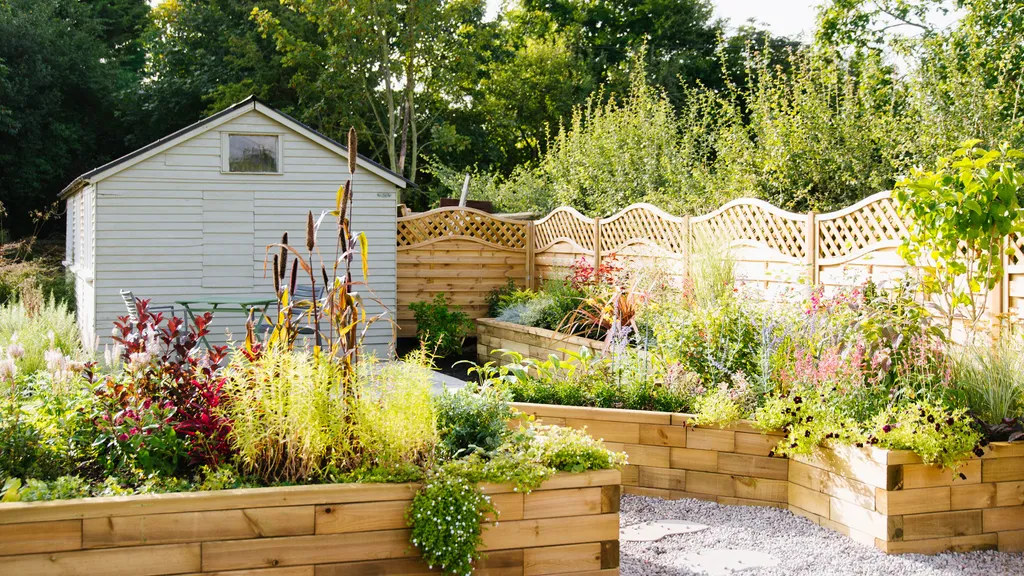
For those with limited time, container gardening offers flexibility. Pots and raised beds allow better soil control, easier watering, and simpler weed management.
Self-watering containers are particularly useful for balconies, small patios, and urban homes.
Plan for All Seasons
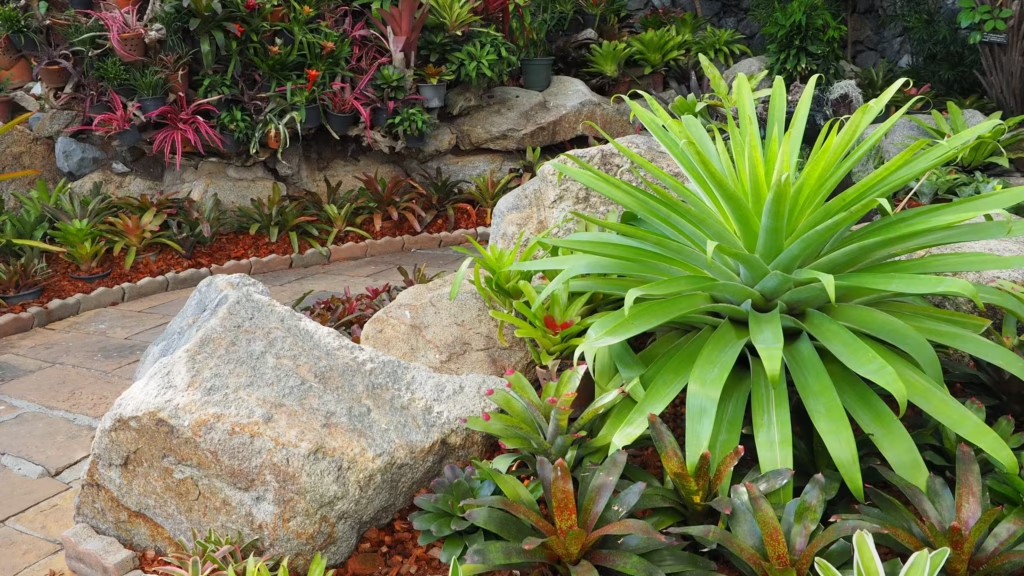
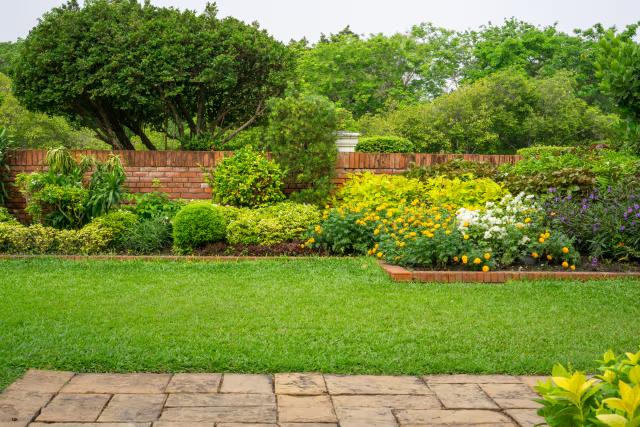
A truly low-maintenance garden looks good year-round. Incorporating evergreen shrubs, ornamental grasses, and plants with interesting textures ensures visual appeal even when flowers aren’t blooming.
By focusing on foliage, structure, and natural elements rather than constant blooms, your garden remains attractive with minimal effort.
A Garden That Gives Back
Low-maintenance gardening isn’t about neglect — it’s about thoughtful planning. When designed properly, these gardens:
- Support local biodiversity
- Conserve water
- Reduce waste
- Lower long-term costs
- Create peaceful outdoor spaces
Instead of spending weekends battling weeds or dragging hoses, homeowners can actually enjoy their gardens.
In the end, the most beautiful garden isn’t necessarily the one that requires the most work. It’s the one that fits seamlessly into your lifestyle — offering greenery, calm, and connection to nature without becoming another item on your to-do list.
Low-maintenance gardening proves that with smart choices and sustainable design, less effort can still yield stunning results.