


In a world where content creation is booming, capturing unique perspectives has become more important than ever. Whether you’re a traveler, vlogger, or adventure enthusiast, having a compact and intelligent flying camera can completely transform your storytelling.
- What is HoverAir?
- Key Features of HoverAir Drones
- 1. Self-Flying & AI Tracking Technology
- 2. Ultra-Portable & Lightweight Design
- 3. High-Quality Video & Imaging
- 4. Hands-Free Shooting Experience
- 5. Smart Accessories & Extended Control
- 6. Innovative Models (Including Water Drones)
- Popular HoverAir Models
- Pros and Cons
- Who Should Use HoverAir?
- HoverAir vs Traditional Drones
- Final Verdict: Is HoverAir Worth It?
This is exactly where HoverAir steps in—redefining drones with smart, portable, and fully automated flying cameras.
What is HoverAir?
HoverAir is a modern drone brand focused on self-flying camera technology. Unlike traditional drones that require manual piloting, HoverAir devices are designed to fly autonomously and track users effortlessly.
These lightweight drones are often categorized as “flying action cameras”, combining portability with advanced AI tracking capabilities.
Key Features of HoverAir Drones
1. Self-Flying & AI Tracking Technology
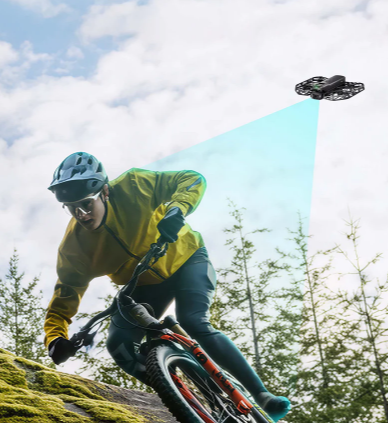
One of HoverAir’s standout features is its ability to follow you automatically. Using advanced AI and vision-based tracking, the drone locks onto your subject and captures smooth footage without needing a controller.
This makes it perfect for:
- Solo travelers
- Cyclists and runners
- Adventure sports creators
2. Ultra-Portable & Lightweight Design
HoverAir drones are designed to be compact and lightweight—many models fall under the 250g category, which often avoids strict drone regulations in many countries.
This means:
- Easier travel and portability
- Quick setup (often palm takeoff)
- Less regulatory hassle
3. High-Quality Video & Imaging
HoverAir models offer impressive video capabilities:
- Up to 8K recording (in Pro/Pro Max models)
- Smooth 4K video at high frame rates
- Advanced stabilization for cinematic footage
Whether you’re filming travel vlogs or action sports, the quality remains sharp and professional.
4. Hands-Free Shooting Experience
Unlike traditional drones, HoverAir focuses on automation over manual control. Features include:
- Gesture control
- Voice commands
- Pre-programmed flight modes
This allows users to focus on the activity rather than flying the drone.
5. Smart Accessories & Extended Control
For users who want more control, HoverAir also offers:
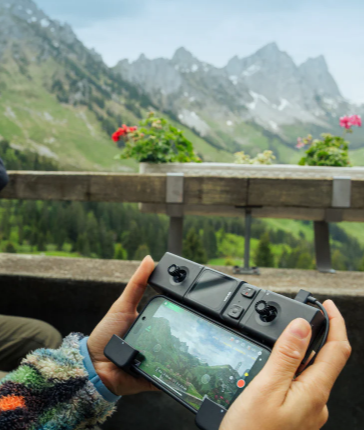
- Optional joystick controllers
- Beacon devices for extended range
- Enhanced tracking accuracy up to long distances
This flexibility makes it suitable for both beginners and advanced creators.
6. Innovative Models (Including Water Drones)
HoverAir continues to innovate with unique products like the HoverAir Aqua, a waterproof drone that can:
- Take off and land on water
- Float and self-stabilize
- Capture 4K footage in aquatic environments
This opens up new possibilities for water sports and outdoor filming.
Popular HoverAir Models
Some of the most notable devices include:
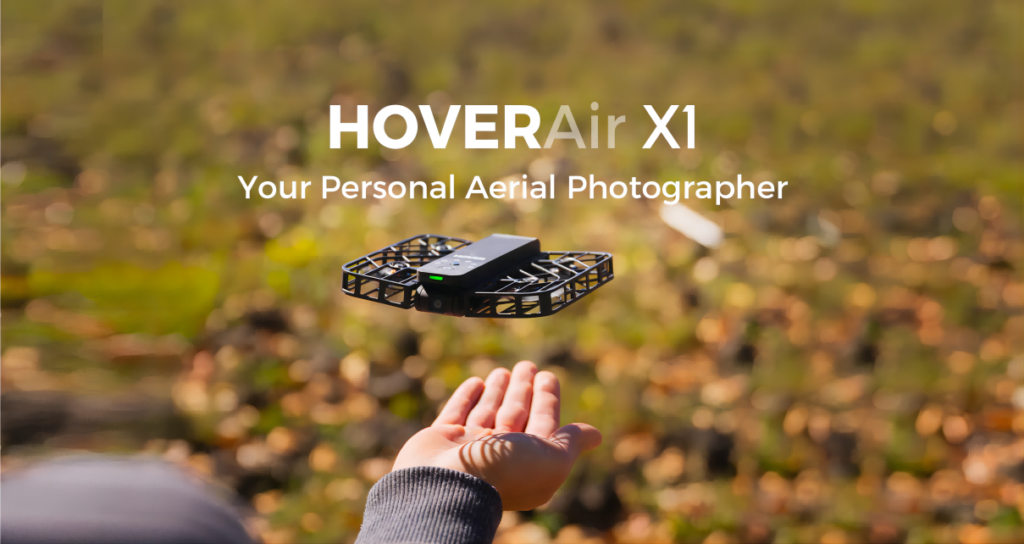
- HoverAir X1 – Compact, beginner-friendly flying camera
- HoverAir X1 Pro / Pro Max – Advanced models with 8K video and improved tracking
- HoverAir Aqua – Waterproof drone for water-based adventures
Each model is designed with simplicity, portability, and automation in mind.
Pros and Cons
Pros
- Fully automated, beginner-friendly flying experience
- Lightweight and travel-friendly design
- Strong AI tracking and stabilization
- High-quality video (up to 8K)
- Unique innovations like waterproof drones
Cons
- Limited manual control compared to traditional drones
- Shorter flight time compared to larger drones
- Premium models can be expensive
- Not ideal for complex cinematic drone operations
Who Should Use HoverAir?
HoverAir is ideal for:
- Content creators & vloggers – Capture dynamic shots effortlessly
- Solo travelers – No need for a second person to film
- Adventure enthusiasts – Perfect for biking, hiking, skiing
- Beginners – Easy to use with minimal learning curve
However, professional drone pilots looking for full manual control and advanced cinematography tools may prefer traditional drones.
HoverAir vs Traditional Drones
| Feature | HoverAir | Traditional Drones |
|---|---|---|
| Control | Automated | Manual + assisted |
| Portability | Very high | Moderate |
| Ease of use | Beginner-friendly | Learning required |
| Filming style | Self-tracking | Cinematic control |
| Setup | Instant | More complex |
HoverAir focuses on simplicity and automation, while traditional drones focus on control and flexibility.
Final Verdict: Is HoverAir Worth It?
If you’re looking for a smart, compact, and easy-to-use flying camera, HoverAir is definitely worth considering. Its AI-powered tracking, hands-free operation, and portable design make it a standout choice for modern creators.
While it may not replace high-end cinematic drones, it excels in what it’s built for—effortless, everyday aerial storytelling.