

When it comes to hiking, one of the most common questions beginners and even experienced adventurers ask is: What gear do I actually need? With so many options on the market, it’s easy to overpack or overspend. The truth is, great hiking experiences don’t come from having the most expensive gear, they come from having the right gear.
This guide breaks down the essentials, helping you pack smart and hike comfortably without unnecessary weight.
The Philosophy of Smart Packing
The golden rule of hiking gear is simple: carry only what adds value to your journey. Overpacking can slow you down, cause fatigue, and take away from the experience. On the other hand, underpacking can leave you unprepared.
Finding the balance is key.
Must-Have Hiking Gear
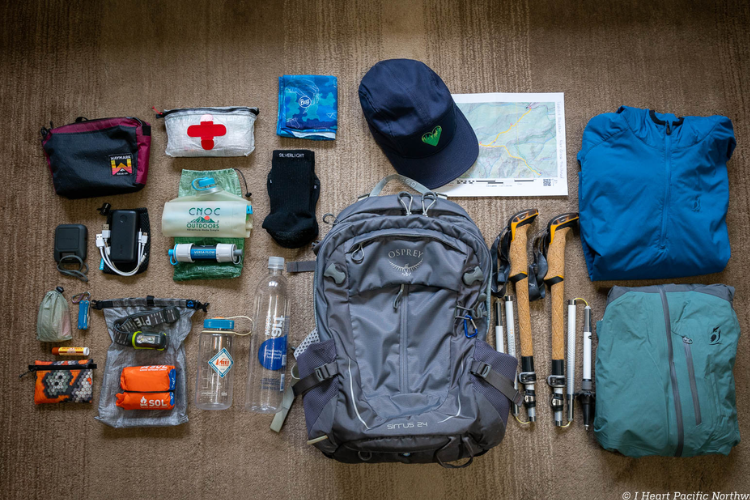
Let’s start with the non-negotiables—items every hiker should carry regardless of trail difficulty.
1. Reliable Footwear
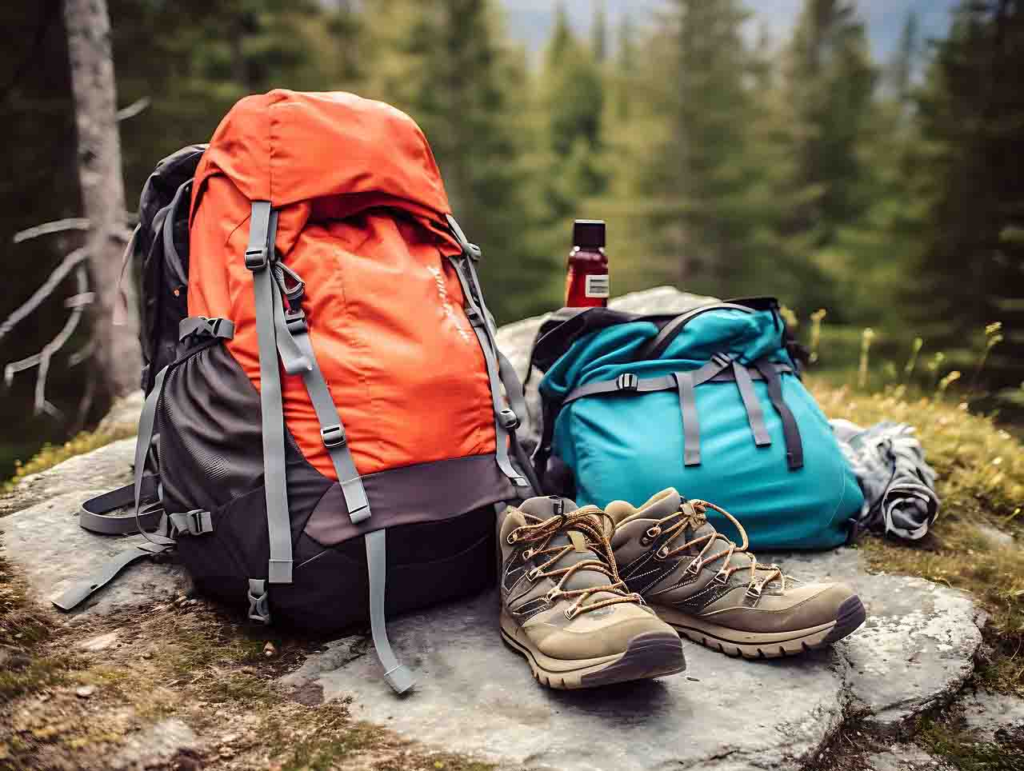
Your shoes are the foundation of your hike. Invest in hiking shoes or boots with:
- Good grip
- Ankle support
- Breathable material
Blisters and discomfort can quickly ruin an otherwise beautiful trail.
2. Weather-Appropriate Clothing
Dress in layers so you can adapt to changing conditions:
- Base layer: Keeps sweat away
- Mid layer: Provides insulation
- Outer layer: Protects against wind and rain
Avoid cotton, as it retains moisture and can make you uncomfortable.
3. Hydration and Nutrition
Always carry enough water for your hike. Dehydration can sneak up on you, especially during long or sunny trails.
Quick snacks like:
- Energy bars
- Nuts
- Fruits
can help maintain your energy levels throughout the journey.
4. Navigation Essentials
Even on familiar trails, it’s important to stay prepared. Carry:
- A physical map or downloaded offline map
- A GPS-enabled device or smartphone
Knowing your route helps you stay confident and safe.
5. Basic First-Aid Kit
Accidents can happen, even on easy hikes. Your kit should include:
- Bandages
- Antiseptic wipes
- Pain relief medication
It’s small, lightweight, and incredibly important.
Nice-to-Have Items
These aren’t essential, but they can significantly improve your hiking experience:
- Trekking poles for stability on uneven terrain
- Sunglasses and sunscreen for sun protection
- A hat or cap for added comfort
- A lightweight rain jacket for unexpected weather
What You Can Leave Behind
Many beginners tend to overpack. Here are a few things you usually don’t need for short hikes:
- Heavy cooking equipment
- Multiple outfit changes
- Large knives or unnecessary tools
- Bulky electronics
Keeping your backpack light allows you to move freely and enjoy the trail more.
How to Pack Efficiently
Packing isn’t just about what you carry—it’s about how you carry it.
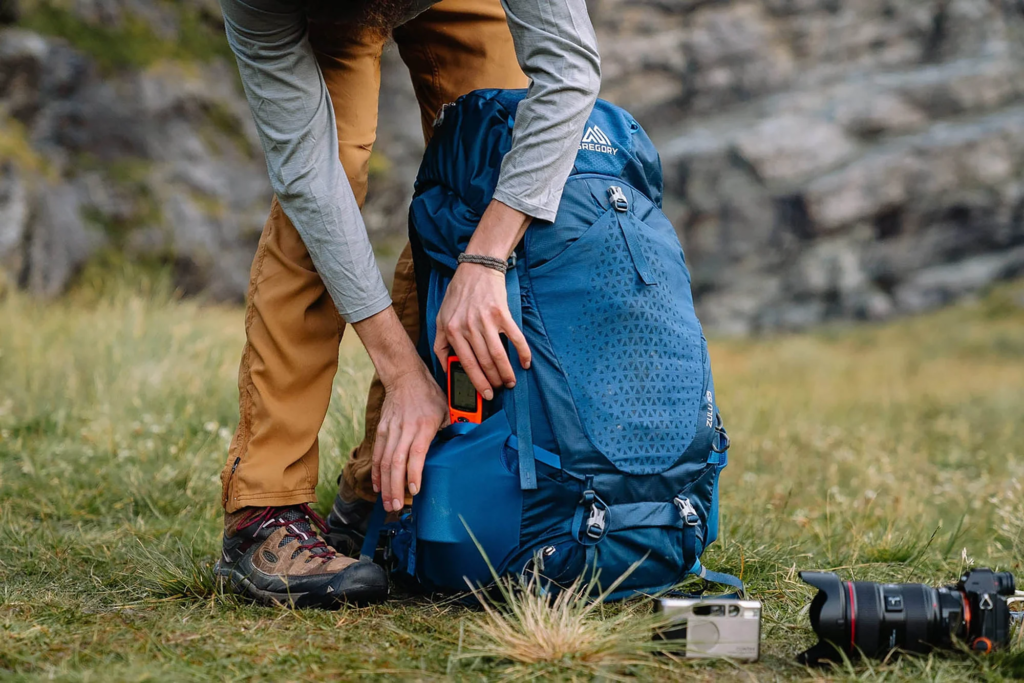
- Place heavier items close to your back for better balance
- Keep frequently used items easily accessible
- Use compartments to stay organized
A well-packed bag reduces strain and makes your hike smoother.
Adapting Gear to the Trail
Not all hikes are the same, and your gear shouldn’t be either. Consider:
- Trail length: Longer hikes require more supplies
- Weather conditions: Cold, heat, or rain demand different gear
- Terrain: Rocky or steep trails may need additional support
Adjust your packing list based on the specific adventure.