


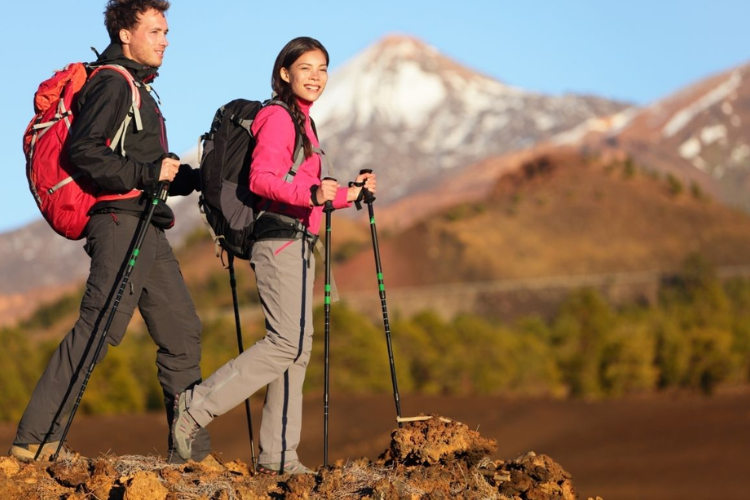
Investing in the right apparel ensures a safer and more enjoyable hike.
The Layering System: The Golden Rule
Experienced hikers follow a 3-layer system that adapts to changing weather conditions.
1. Base Layer (Moisture Management)
This layer sits directly on your skin and wicks sweat away.
Best materials:
- Merino wool
- Polyester blends
Avoid: Cotton, as it traps moisture and causes discomfort.
2. Mid Layer (Insulation)
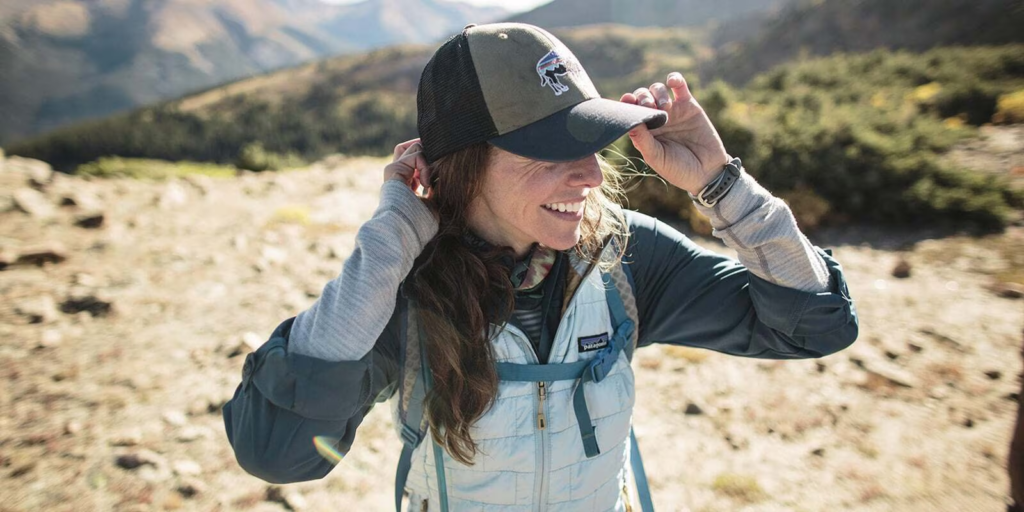
The mid layer keeps you warm by trapping body heat.
Best options:
- Fleece jackets
- Lightweight insulated jackets
Choose thickness based on weather conditions.
3. Outer Layer (Protection)
This layer shields you from wind, rain, and snow.
Look for:
- Waterproof or water-resistant jackets
- Windproof materials
- Breathable fabrics
A good outer layer is essential for unpredictable weather.
Choosing the Right Hiking Tops
Your upper body clothing should balance comfort and protection.
Ideal choices:
- Moisture-wicking t-shirts
- Long-sleeve shirts for sun protection
- Lightweight hoodies for cooler weather
Quick-drying fabrics are always a better option than heavy materials.
Best Bottom Wear for Hiking
Comfortable legwear is crucial for long hikes.
Hiking Pants
- Durable and stretchable
- Offer protection from insects and rough terrain
Shorts
- Great for warm weather
- Provide better airflow
Convertible Pants
- A versatile option that converts into shorts
Avoid jeans—they restrict movement and take longer to dry.
Footwear & Socks: The Foundation of Comfort
Your hiking outfit is incomplete without proper footwear.
Hiking Shoes or Boots
- Provide grip and stability
- Protect your feet on uneven terrain
Socks Matter More Than You Think
- Choose wool or synthetic socks
- Prevent blisters and keep feet dry
Never underestimate the importance of good socks—they can save your entire hike.
Weather-Based Clothing Tips
Hot Weather
- Wear light-colored, breathable fabrics
- Use a hat and sunglasses
- Choose loose-fitting clothing
Cold Weather
- Layer properly
- Wear insulated gloves and caps
- Avoid sweating too much (it can make you colder later)
Rainy Conditions
- Carry a waterproof jacket or poncho
- Use quick-drying materials
Accessories That Make a Difference
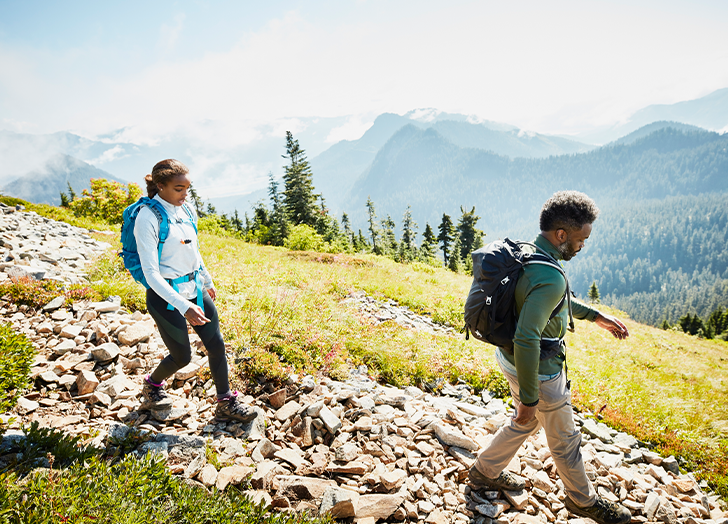
Small additions can greatly improve your hiking experience:
- Hat or cap for sun protection
- Sunglasses for eye safety
- Gloves for cold conditions
- Buff or scarf for dust and wind
- Gaiters for muddy or snowy trails
These items are lightweight but highly useful.
Common Clothing Mistakes to Avoid
Even experienced hikers sometimes get this wrong. Avoid these:
- Wearing cotton clothing
- Overdressing (leading to sweating)
- Ignoring weather forecasts
- Wearing new shoes without breaking them in
- Skipping proper socks
Being prepared can prevent discomfort and injuries.
Pro Tips for Smart Hiking Apparel
- Always dress in layers, even for short hikes
- Test your clothing before long trips
- Prioritize comfort over style
- Pack an extra layer in your backpack
- Choose lightweight and compact materials
The goal is to stay comfortable in all conditions.