


The automotive world is moving faster than ever, shaped by innovation, sustainability, and changing consumer expectations. Cars are no longer just modes of transportation; they are becoming smart, connected, and more closely aligned with modern lifestyles. From electric mobility to intelligent design, today’s automotive trends reveal how the relationship between people and vehicles is evolving in exciting new ways.
One of the most influential trends is the rapid rise of electric vehicles (EVs). Once considered niche, EVs are now entering the mainstream as charging infrastructure expands and driving ranges improve. Consumers are drawn not only by environmental benefits but also by smoother performance, lower running costs, and quieter rides. Automakers are responding by launching electric models across multiple price ranges, making EVs accessible to a broader audience.

Alongside electrification, hybrid technology continues to play an important role. Hybrid vehicles offer a transition point for drivers not yet ready to fully switch to electric. By combining traditional engines with electric assistance, hybrids improve fuel efficiency while reducing emissions. This balanced approach appeals to practical buyers who want sustainability without major lifestyle changes.
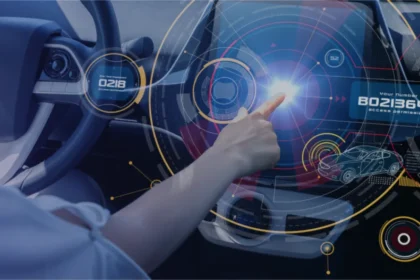
Another major trend shaping the industry is vehicle connectivity. Modern cars are increasingly designed as digital platforms on wheels. Touchscreen dashboards, voice control, real-time navigation, and smartphone integration are becoming standard features. Over-the-air software updates allow vehicles to improve over time, adding new functions without a visit to the dealership. This shift is transforming how drivers interact with their cars, emphasizing convenience and personalization.
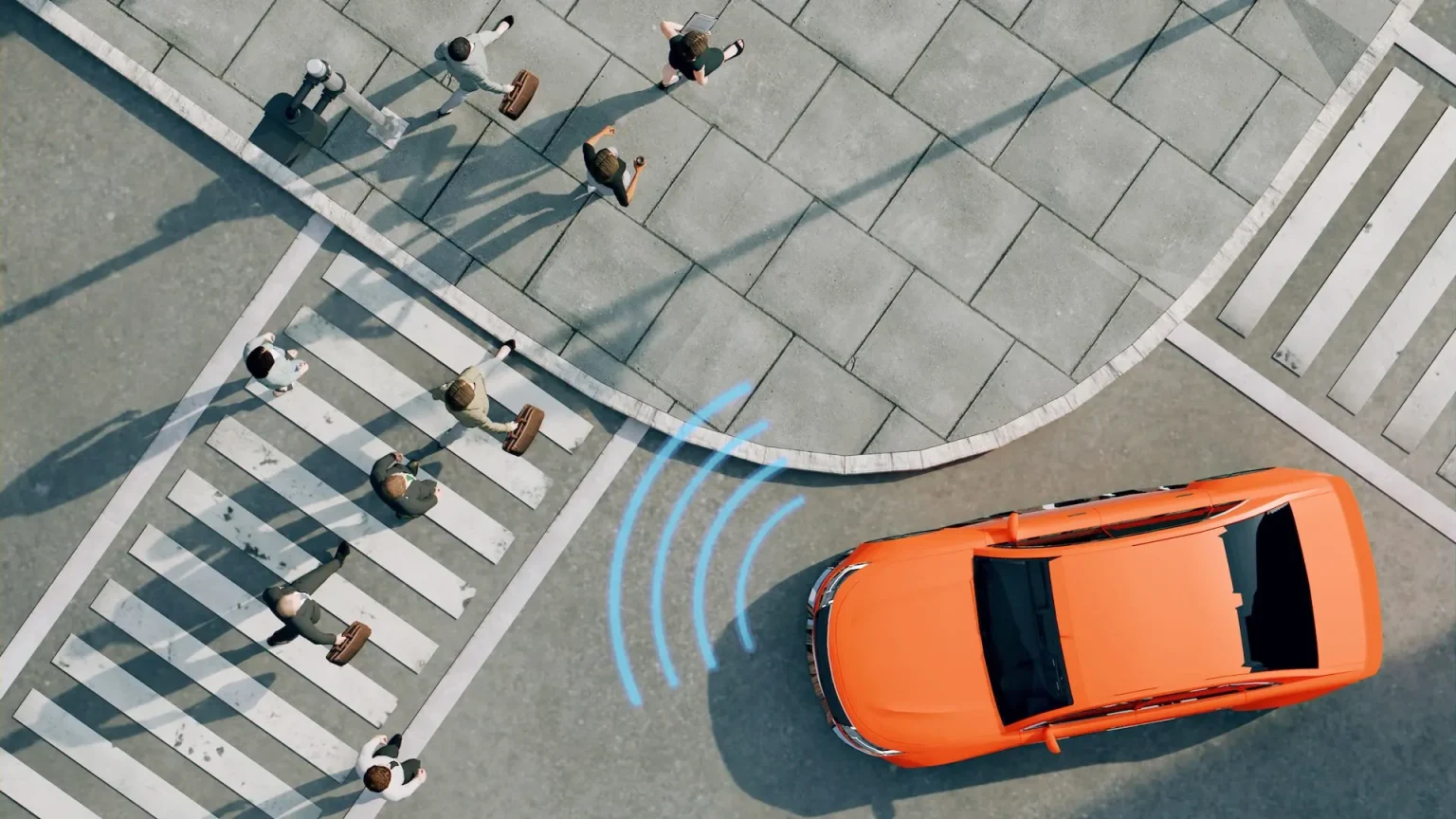
Safety technology is also advancing rapidly. Features such as adaptive cruise control, lane-keeping assistance, and automatic emergency braking are becoming more common across vehicle segments. These systems do more than add comfort—they actively support drivers and reduce the risk of accidents. As these technologies become more refined, they are setting new expectations for what a “safe” car should include.
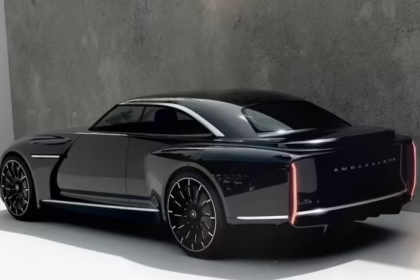
Design trends are evolving as well. Modern vehicles emphasize clean lines and aerodynamic shapes, reflecting both aesthetic preferences and efficiency goals. Interiors are becoming more minimal and spacious, with fewer physical buttons and a greater focus on comfort. Sustainable materials such as recycled plastics, vegan leather, and eco-friendly fabrics are increasingly used, aligning interior design with environmental values.
Another emerging trend is the shift in how people use and access vehicles. Car ownership is no longer the only option. Subscription services, short-term leasing, and shared mobility models are gaining popularity, especially in urban areas. These alternatives offer flexibility and reduce long-term commitment, appealing to younger consumers who prioritize access over ownership.
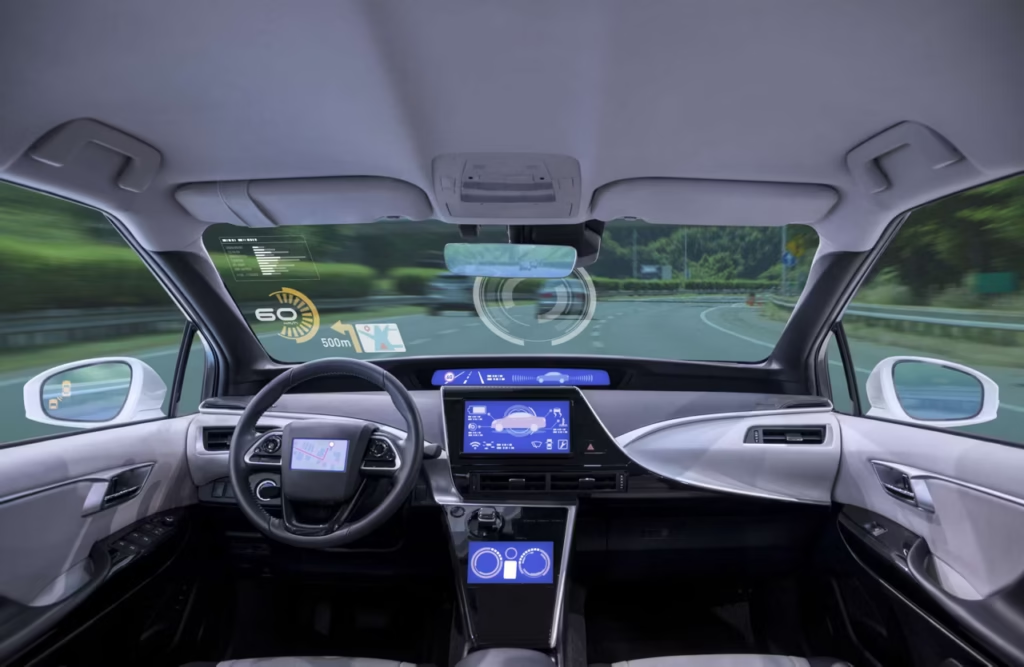
Autonomous driving technology continues to develop, even if full self-driving cars are not yet widespread. Advanced driver-assistance systems are gradually introducing semi-autonomous features, helping drivers in traffic, parking, and long-distance travel. While complete automation remains a future goal, these incremental steps are already changing the driving experience.
Sustainability extends beyond the vehicle itself. Automakers are rethinking manufacturing processes, reducing emissions in production, and investing in renewable energy. The entire lifecycle of a vehicle—from materials to disposal—is being examined more closely than ever before.
Together, these trends signal a fundamental transformation in the automotive industry. Cars are becoming cleaner, smarter, and more adaptable to modern life. As technology and values continue to evolve, the road ahead looks less about horsepower alone and more about efficiency, intelligence, and responsible innovation.