


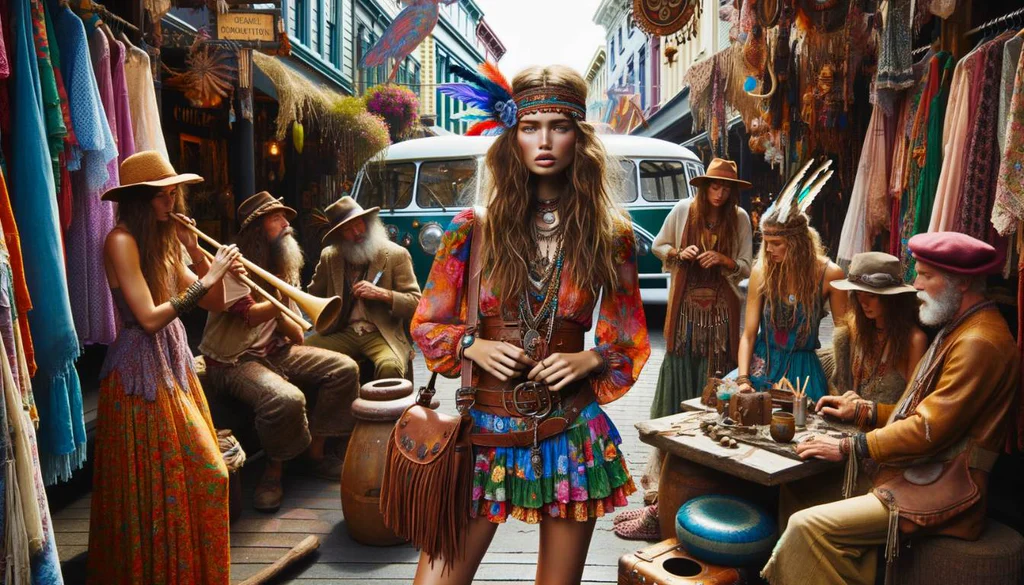
Bohemian fashion has long been associated with free-spirited creativity, earthy textures, and handcrafted details inspired by global cultures. Flowing silhouettes, embroidery, fringe, and natural fabrics have defined the boho aesthetic for decades. However, as technology reshapes nearly every aspect of modern life, fashion designers and digital creators are reimagining traditional boho styles with a futuristic edge. The result is “Digital Boho,” a trend that blends artisanal heritage with cutting-edge innovation, creating a unique fusion of past and present.
At its core, Digital Boho retains the relaxed, expressive energy of classic bohemian fashion while introducing modern materials and tech-driven design techniques. Designers are experimenting with smart textiles, 3D printing, and laser-cut patterns that mimic traditional craftsmanship while offering enhanced durability and performance. For example, laser-cut fabrics can replicate intricate lacework or embroidery with precision, while lightweight technical materials bring comfort and functionality to flowing garments traditionally made from heavier textiles.
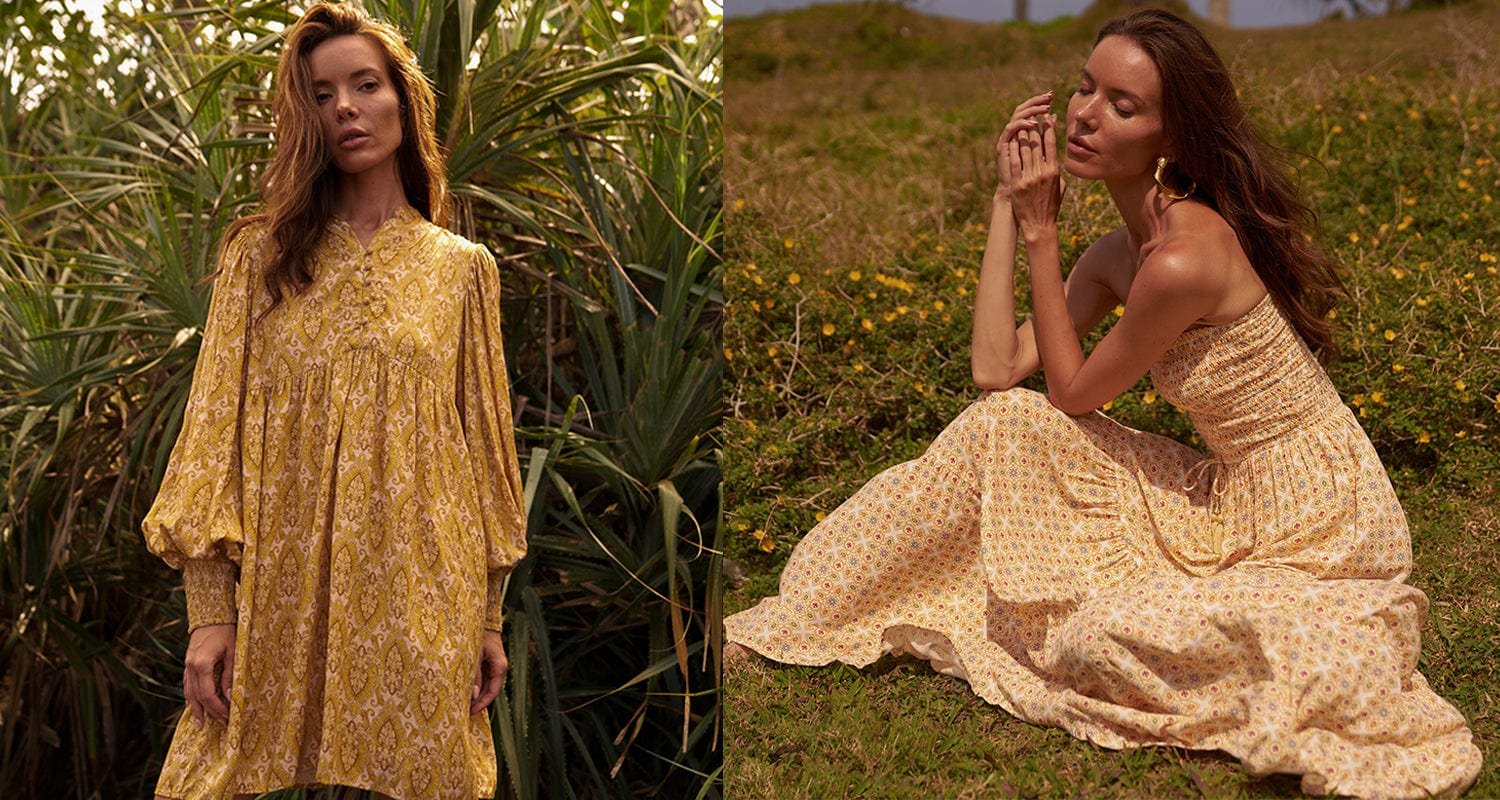
One of the most noticeable aspects of Digital Boho is the use of innovative fabrics that combine sustainability with performance. Many brands are turning to recycled fibers, plant-based materials, and advanced blends that feel natural yet offer modern benefits like moisture-wicking or temperature regulation. This evolution allows wearers to enjoy the laid-back aesthetic of boho clothing while embracing the practicality demanded by contemporary lifestyles. The fusion of eco-conscious design with advanced fabric technology also aligns with the values of modern consumers who seek both style and responsibility.
Technology is also transforming how bohemian patterns and prints are created. Digital printing allows designers to experiment with complex designs inspired by traditional motifs without the limitations of manual techniques. Patterns inspired by tribal art, nature, and vintage textiles can now be customized and produced with greater efficiency. This not only preserves cultural influences but also encourages innovation, as artists can merge traditional visual elements with futuristic color palettes and abstract graphics.
Wearable technology has further expanded the boundaries of the boho aesthetic. Accessories like smart jewelry, solar-powered bags, and LED-enhanced garments are appearing in modern boho collections. These pieces maintain the handmade look of traditional accessories while incorporating subtle technological features. For example, a woven bracelet might include a hidden fitness tracker, or a fringe bag could feature integrated charging ports. These innovations bring practicality to boho fashion without compromising its artistic identity.
The rise of digital platforms has also played a major role in shaping the Digital Boho movement. Social media creators and virtual stylists are using augmented reality and digital design tools to experiment with layering, textures, and color combinations that would be difficult to achieve through traditional methods alone. Virtual fashion shows and digital lookbooks allow designers to showcase bohemian-inspired pieces in immersive environments, blending natural landscapes with futuristic visuals that redefine how audiences experience fashion.
Another interesting element of Digital Boho is the integration of customization and personalization through technology. Online platforms now allow shoppers to modify garment details such as patterns, colors, or embellishments before purchase. This interactive approach reflects the individuality that has always been central to bohemian culture while using modern tools to enhance creative freedom. Consumers are no longer limited to mass-produced designs; instead, they can participate in the design process and create pieces that reflect their personal style.
Despite its technological advancements, Digital Boho remains rooted in the spirit of self-expression and cultural appreciation. Designers continue to draw inspiration from traditional craftsmanship, global textiles, and artisanal techniques. The difference lies in how these influences are reinterpreted through modern technology, making bohemian fashion more adaptable to contemporary tastes and lifestyles. By blending heritage with innovation, Digital Boho demonstrates that tradition and technology can coexist harmoniously.
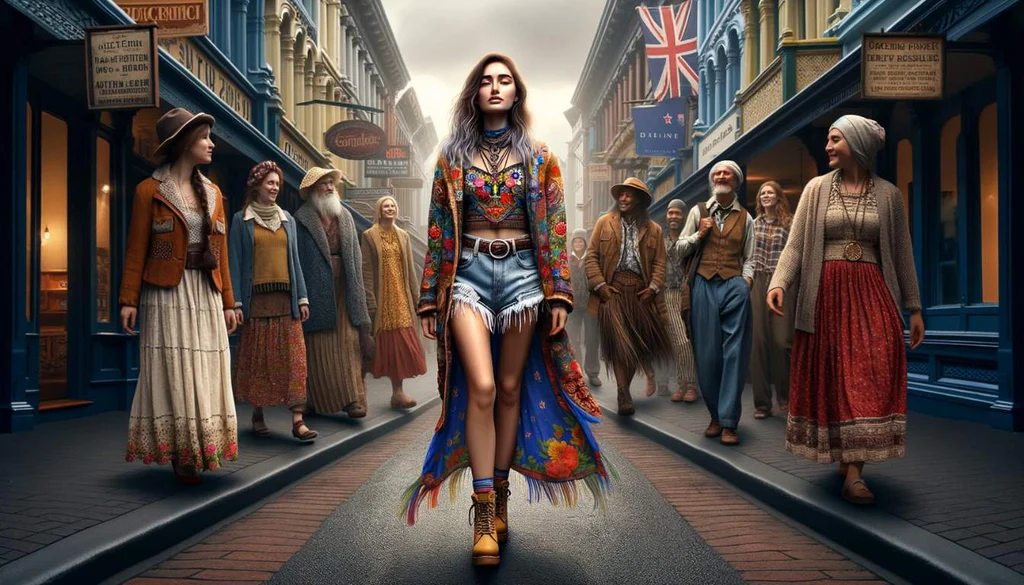
As fashion continues to evolve, the Digital Boho trend highlights the industry’s ability to merge creativity with progress. It offers a vision of style that celebrates individuality while embracing the possibilities of the digital age. For consumers, it provides an opportunity to enjoy the relaxed beauty of bohemian fashion enhanced by modern comfort, sustainability, and functionality.
Ultimately, Digital Boho represents a new chapter in the story of traditional style. By weaving together the warmth of handcrafted aesthetics with the precision of technological innovation, this trend creates a fashion experience that feels both nostalgic and forward-thinking—proving that even the most timeless looks can evolve in exciting, modern ways.