



In today’s digital world, the saying “seeing is believing” is losing its certainty. Thanks to rapid advances in artificial intelligence, deepfakes—hyper-realistic manipulated videos, audio, or images—are becoming increasingly convincing. What once required Hollywood-level special effects can now be achieved on a personal laptop with accessible software. While this technology opens exciting possibilities for creativity and entertainment, it also raises urgent questions about trust, misinformation, and the future of digital authenticity.
What Exactly Are Deepfakes?
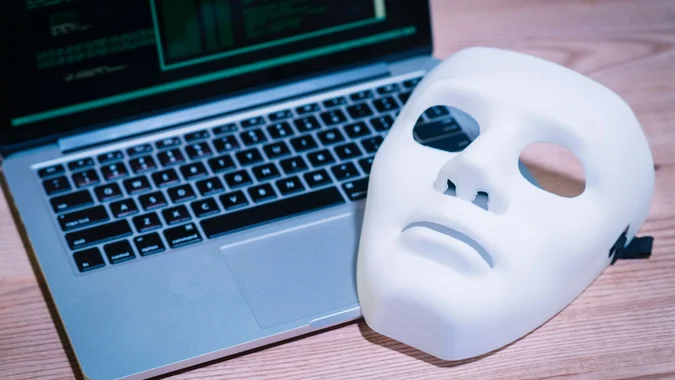
Deepfakes are AI-generated media created using deep learning techniques, particularly neural networks, that can swap faces, clone voices, and even fabricate entire conversations. They are often so seamless that even trained eyes find it difficult to detect manipulation. Initially used for fun filters and harmless parodies, deepfakes have grown into a powerful tool that blurs the line between reality and fiction.
The Positive Potential
Not all deepfakes are harmful. In fact, the technology has creative and beneficial uses:
- Entertainment and Media: Filmmakers can recreate historical figures or de-age actors without relying on expensive CGI.
- Education: Museums and schools can bring history to life by generating realistic re-creations of events or personalities.
- Accessibility: AI-generated voice cloning can help individuals with speech impairments regain a voice that sounds natural.
These applications show the technology itself isn’t inherently dangerous—it’s how people use it that determines its impact.
The Dark Side of Deepfakes
Unfortunately, the negative consequences are hard to ignore. Deepfakes have been weaponized in several troubling ways:
- Misinformation and Politics: Fabricated videos of leaders making false statements could mislead voters or destabilize trust in governments.
- Personal Harm: Non-consensual deepfake content, particularly in adult media, has targeted individuals, causing severe emotional and reputational damage.
- Fraud and Scams: Deepfake voice calls have already been used to trick employees into transferring money or sharing sensitive information.
The speed at which deepfakes spread online makes their consequences especially severe, often outpacing fact-checking efforts.
Can Technology Solve Its Own Problem?
Interestingly, the same AI that creates deepfakes is also being developed to detect them. Researchers are working on algorithms that identify inconsistencies—such as unnatural blinking, facial lighting mismatches, or irregular voice patterns—that might reveal manipulation. Big tech companies and social media platforms are also stepping up with detection tools and stricter content policies.
However, detection is a game of cat-and-mouse. As detection tools improve, so do the techniques used to create more convincing fakes. This means technical solutions, while necessary, cannot be the only line of defense.
Building Digital Trust in the Age of Deepfakes
The challenge goes beyond technology—it’s also about culture, education, and responsibility. Here’s how we can strengthen digital trust:
- Media Literacy: Teaching people to question sources, verify information, and approach sensational content with skepticism.
- Transparency Tools: Encouraging content creators to use watermarks or digital signatures that verify authenticity.
- Regulation: Governments and international organizations must create laws that protect individuals while respecting freedom of expression.
- Personal Responsibility: Each of us must pause before sharing suspicious content and consider the real-world consequences of spreading misinformation.
The Road Ahead
Deepfakes highlight a paradox: technology can empower us and deceive us at the same time. While AI continues to blur the boundaries between truth and fiction, society must adapt by cultivating sharper critical thinking skills and demanding greater accountability from tech companies and policymakers.
So, can we still believe what we see? Perhaps not blindly. In 2025 and beyond, trust will no longer come from the content itself but from verified context—who made it, where it came from, and how it’s been authenticated.