

In an era dominated by fast fashion and mass production, something beautifully unexpected is happening — fashion is slowing down. Across runways, social media feeds, and independent boutiques, weaving, crochet, embroidery, and handwork are making a powerful return. The craft revival of 2026 isn’t just a trend; it’s a movement rooted in creativity, sustainability, and storytelling.
From handmade crochet tops to intricately woven handbags, today’s fashion lovers are embracing pieces that feel personal and authentic.
The Shift Away from Fast Fashion
For years, speed defined the industry. Trends changed weekly, and wardrobes rotated quickly. But consumers are becoming more conscious. They’re questioning where clothes are made, who makes them, and how long they last.
Handcrafted pieces naturally challenge the idea of disposable fashion. A crochet cardigan or handwoven shawl takes time — sometimes days or weeks — to complete. That time translates into value.
Instead of buying five synthetic tops, shoppers are investing in one beautifully crafted piece that feels meaningful.
Crochet: From Vintage to Viral
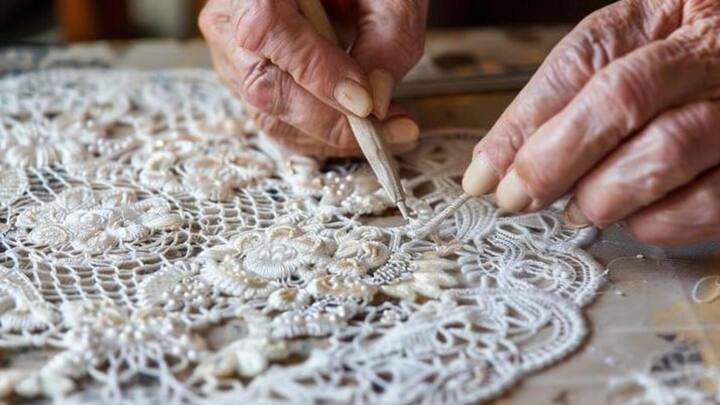
Crochet has experienced one of the most dramatic comebacks. Once associated with vintage doilies or 1970s bohemian style, crochet is now modern, bold, and versatile.
Designers are experimenting with:
- Crochet maxi dresses
- Colorful patchwork cardigans
- Structured crochet bags
- Handmade bralettes and summer tops
On social platforms, DIY crochet tutorials have exploded in popularity. Young creators are learning stitches, sharing patterns, and customizing pieces to reflect their personality.
Crochet offers something rare in fashion today — individuality.
Weaving as Wearable Art
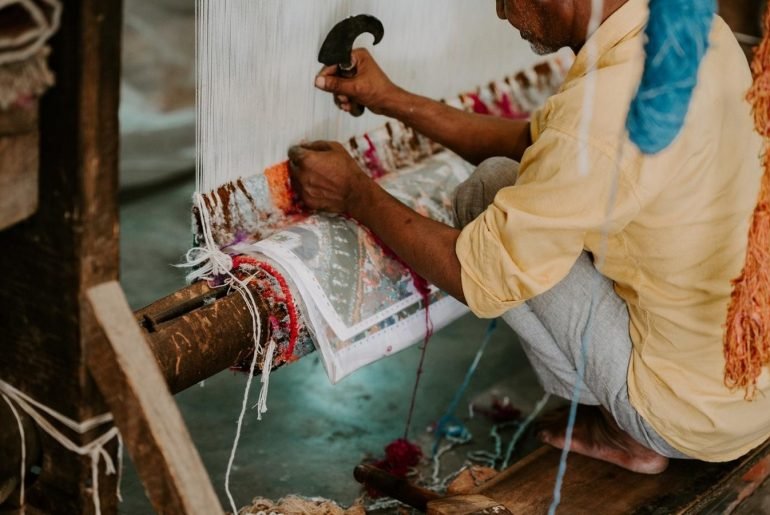
Handwoven textiles are also gaining recognition. Traditional weaving techniques from various cultures are inspiring contemporary silhouettes.
What makes weaving special is texture. Unlike flat, machine-produced fabrics, woven materials carry dimension and depth. Slight irregularities in the threads tell a story of craftsmanship.
Artisan markets and sustainable fashion brands are highlighting:
- Handwoven scarves
- Loom-made jackets
- Textured woven skirts
- Artisan-crafted handbags
These pieces feel closer to art than clothing.
The Emotional Value of Handwork
One of the strongest drivers of the craft revival is emotional connection. When you know that a garment was handmade — whether by an artisan or by yourself — it carries a different energy.
Handwork slows the creative process. Each stitch, knot, and weave requires attention. That mindfulness translates into a deeper appreciation for the final piece.
For many, crafting is also therapeutic. Knitting, crocheting, and embroidery are being rediscovered not only as fashion techniques but as stress-relieving hobbies.
Sustainability and Slow Fashion
Handmade garments naturally align with sustainable values. Many artisans use:
- Organic cotton
- Natural dyes
- Recycled yarn
- Small-batch production methods
Because these items take time to create, they are less likely to be overproduced. Consumers treat them as keepsakes rather than temporary trends.
Repair culture is also tied to this movement. People are mending old sweaters, adding embroidery to worn denim, and patching fabrics creatively instead of discarding them.
Craft becomes both fashion and activism.
Cultural Heritage and Storytelling
Weaving and hand embroidery are deeply rooted in cultural traditions around the world. As global conversations around cultural appreciation grow, there is renewed respect for heritage craftsmanship.
Independent brands are collaborating directly with artisan communities, ensuring fair wages and preserving traditional techniques.
When someone wears a handwoven jacket or embroidered tunic, they’re often wearing a story — one passed down through generations.
Modern Styling for Handmade Pieces
The new craft revival isn’t about dressing head-to-toe in bohemian style. Instead, fashion lovers are mixing handcrafted items with contemporary basics.
For example:
- Pairing a crochet top with tailored trousers
- Styling a woven bag with a minimalist outfit
- Adding embroidered details to classic denim
This balance keeps the look fresh and modern rather than nostalgic.
DIY Culture Is Driving the Trend
Perhaps the most exciting part of the craft revival is accessibility. You don’t need a luxury brand to participate.
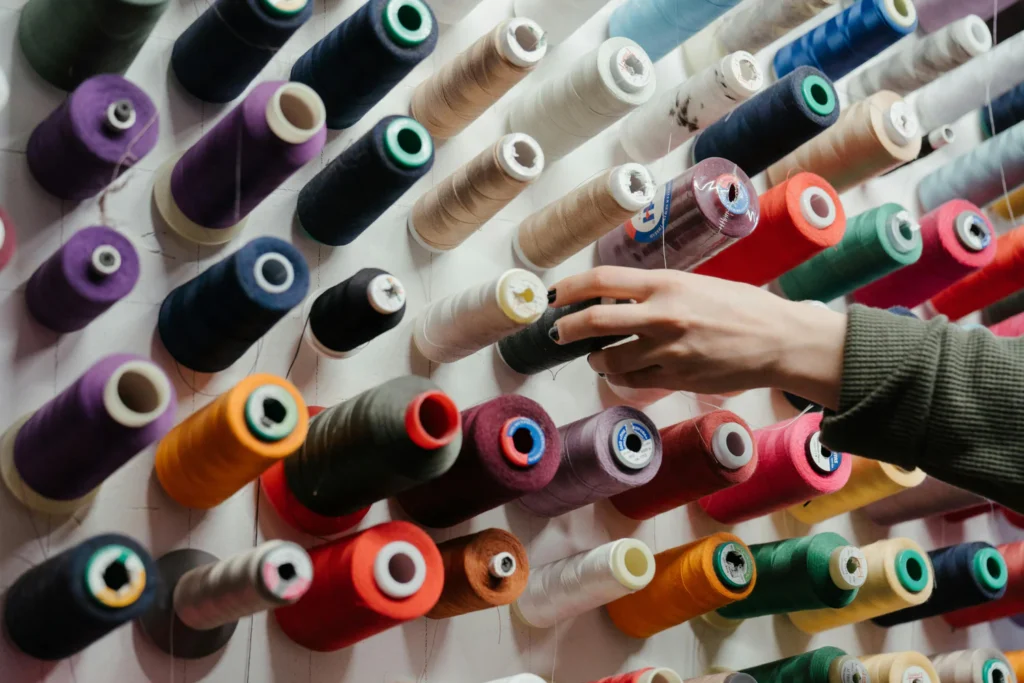
Online platforms offer endless tutorials for beginners. Many young creatives are starting small businesses selling handmade pieces. Others are customizing thrifted clothing with patches, beads, and stitching.
The line between designer and wearer is blurring.
A Return to Meaningful Fashion
Ultimately, the revival of weaving, crochet, and handwork reflects a deeper desire for meaning. In a digital world filled with instant gratification, handmade fashion feels tangible and real.
It celebrates patience. It honors skill. It values individuality.
As consumers continue seeking authenticity and sustainability, handcrafted fashion is likely to remain more than a passing trend. It represents a return to roots — where clothing is not just worn, but created, appreciated, and preserved.
In a fast-moving industry, craft reminds us to slow down. And sometimes, that’s exactly what style needs.