

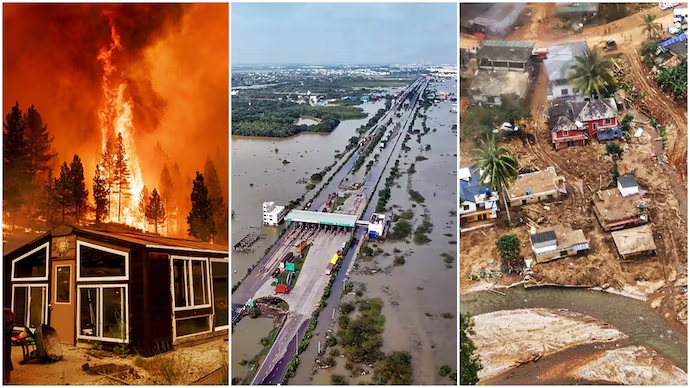
Climate change is one of the most serious environmental challenges facing the world today. Rising global temperatures are affecting natural systems and increasing the frequency and intensity of extreme weather events. Across continents, people are experiencing stronger storms, longer heatwaves, heavier rainfall, and severe droughts. These changes are transforming landscapes and impacting communities in ways that were once considered rare.
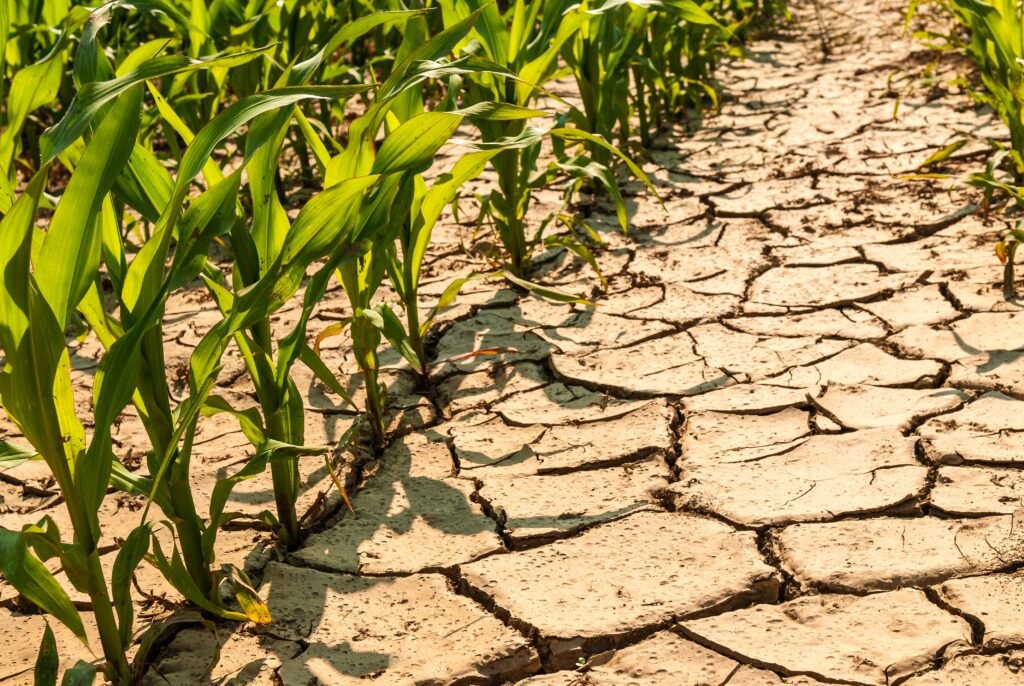
Extreme weather refers to unusual or severe weather events such as hurricanes, floods, wildfires, and heatwaves. While extreme weather has always existed, scientists have found that climate change is making these events more intense and more frequent. Warmer temperatures increase the amount of moisture in the air, which can lead to heavier rainfall and flooding. At the same time, rising temperatures can dry out soil and vegetation, creating conditions that lead to droughts and wildfires.
One of the most noticeable effects of climate change is the increase in heatwaves. Many regions around the world now experience longer and hotter summers than in the past. High temperatures can be dangerous, especially for children and older adults. Heatwaves also increase electricity demand as people rely more on air conditioning. In some places, extreme heat can damage crops and reduce food production, creating economic challenges for farmers and higher food prices for consumers.
Flooding has also become more common in many parts of the world. Heavy rainfall can overwhelm drainage systems and rivers, causing water to spread into towns and cities. Coastal areas face an additional threat from rising sea levels, which increase the risk of storm surges and coastal flooding. Floods can destroy homes, damage roads, and disrupt daily life for thousands of people. Recovery from major floods often takes months or even years.
Wildfires are another growing concern linked to climate change. Hot and dry conditions make forests and grasslands more likely to catch fire. Strong winds can spread flames quickly, turning small fires into major disasters. Wildfires destroy wildlife habitats and release large amounts of smoke into the air, reducing air quality and affecting human health. In recent years, several regions have experienced record-breaking wildfire seasons, highlighting the seriousness of the problem.
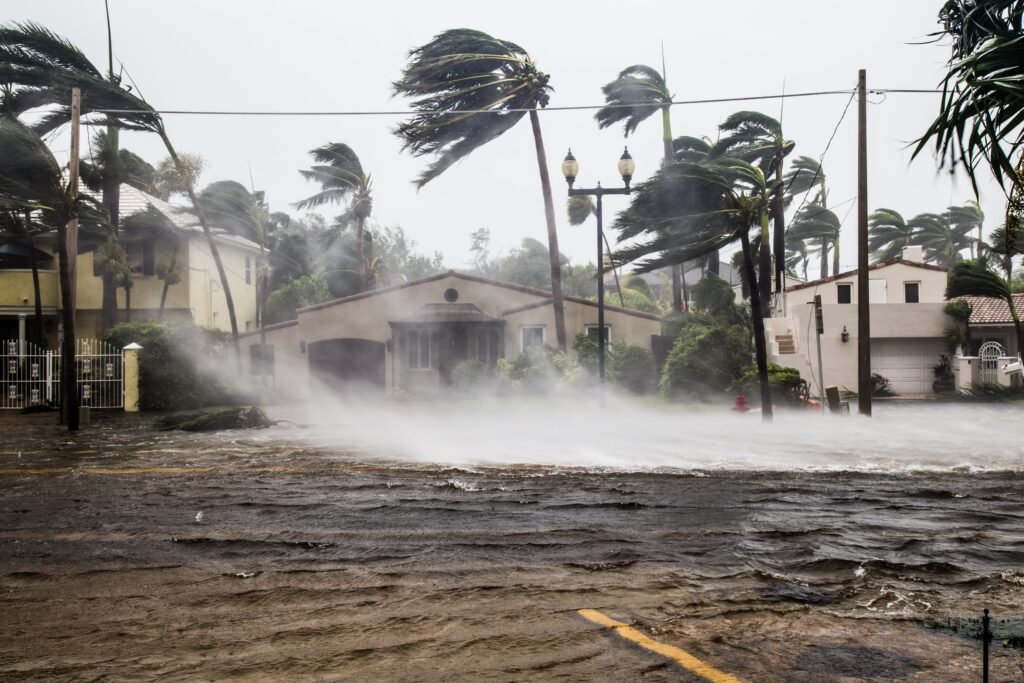
Powerful storms and hurricanes are also influenced by warmer ocean temperatures. Hurricanes gain strength from warm ocean water, and rising sea temperatures can increase their intensity. Strong storms bring heavy rain, strong winds, and flooding, causing widespread damage to infrastructure and homes. Coastal communities are especially vulnerable to these storms and often face repeated rebuilding after major events.
Agriculture is particularly sensitive to extreme weather. Farmers depend on predictable weather patterns to grow crops successfully. Droughts can reduce water supplies, while heavy rains can damage fields and delay planting seasons. Unexpected weather changes make farming more difficult and increase the risk of crop failure. As a result, extreme weather can affect food availability and prices worldwide.
Climate change also has social and economic impacts. Communities affected by extreme weather may face financial losses, displacement, and rebuilding costs. Governments must invest in stronger infrastructure to protect cities from floods and storms. Insurance costs often rise in areas that experience frequent natural disasters, making it more expensive for people to protect their homes.
Despite these challenges, efforts are being made to reduce the effects of climate change. Many countries are investing in renewable energy sources such as solar and wind power to reduce greenhouse gas emissions. Energy-efficient buildings, improved public transportation, and sustainable farming practices are also helping to lower environmental impact. Individuals can contribute by conserving energy, reducing waste, and supporting environmentally friendly choices.
Climate change and extreme weather are closely connected, and their effects are becoming more visible each year. While the problem is global, local actions can make a difference. By understanding the risks and supporting sustainable solutions, societies can work toward a safer and more stable future. Addressing climate change is not only about protecting the environment but also about ensuring the safety and well-being of future generations.