


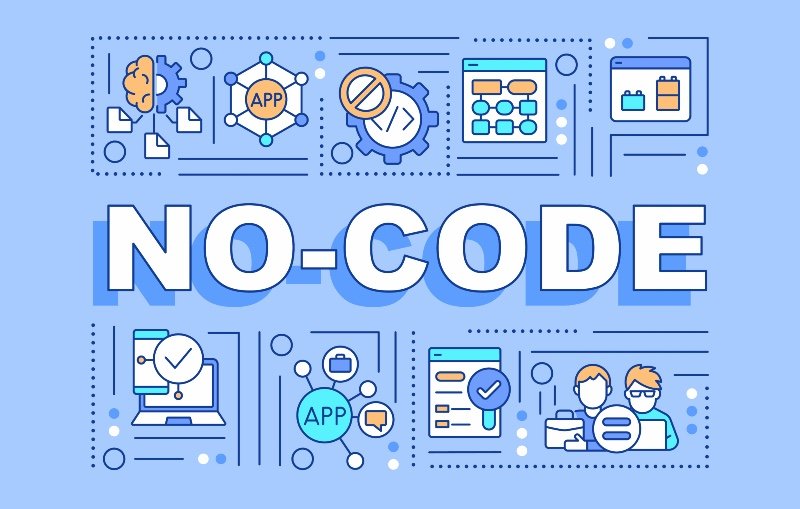
In the past, building an app required deep programming knowledge, months of development time, and often a team of skilled engineers. Today, no-code and low-code platforms are transforming that reality. These tools allow individuals and businesses to create apps using visual interfaces, drag-and-drop features, and prebuilt templates—making software development more accessible than ever before. Whether you’re a startup founder, small business owner, or creative professional, building an app without traditional coding is now a practical and powerful option.
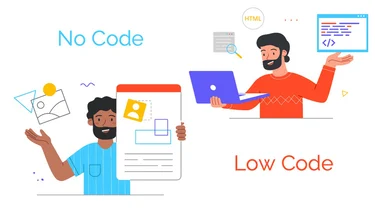
No-code platforms are designed for users with little to no programming experience. They provide simple interfaces where apps can be created visually by arranging components such as forms, buttons, and databases. Low-code tools, on the other hand, offer similar visual design features but allow developers to add custom code when needed. Together, these platforms bridge the gap between technical and non-technical users, enabling faster innovation and broader participation in digital creation.
One of the biggest advantages of no-code and low-code development is speed. Traditional app development can take months or even years, especially for complex projects. With visual builders and ready-made integrations, apps can be developed in days or weeks. Businesses can quickly create prototypes, test ideas, and launch products without waiting for long development cycles. This agility is particularly valuable in competitive markets where being first to launch can make a significant difference.
Cost savings are another major benefit. Hiring developers and maintaining custom software can be expensive, especially for startups or small organizations. No-code platforms reduce these costs by allowing teams to build their own solutions. For example, a small company can create an internal workflow tool, customer management system, or booking app without investing heavily in custom programming. The result is greater independence and more control over digital tools.
Flexibility and customization have also improved significantly in recent years. Modern platforms support integrations with popular services such as payment systems, email marketing tools, and cloud storage. Users can automate processes, design responsive interfaces, and manage data effectively without needing advanced technical skills. Many tools also offer templates tailored for specific industries, making it easier to build apps for e-commerce, education, events, or project management.
Another reason these platforms are gaining popularity is their ability to empower “citizen developers”—people who understand business needs but may not have formal coding backgrounds. Marketing teams can build campaign dashboards, HR departments can create onboarding portals, and entrepreneurs can launch minimum viable products quickly. This democratization of development allows ideas to come directly from the people who understand the problems best.
However, no-code and low-code tools are not without limitations. Highly complex applications, advanced performance requirements, or specialized features may still require traditional programming. Some platforms also rely on subscription models, meaning long-term costs can add up. Additionally, users must consider data security, scalability, and platform dependency when choosing the right solution. Understanding these factors helps ensure that the technology aligns with long-term goals.
Despite these challenges, the future of app development is becoming increasingly inclusive. Many professional developers now use low-code platforms to speed up repetitive tasks while focusing on complex problem-solving. Businesses are combining traditional coding with visual tools to create hybrid workflows that maximize efficiency. Educational institutions are also incorporating no-code platforms into their curriculums, encouraging creativity and innovation among students who may not pursue formal computer science training.

No-code and low-code development represent a significant shift in how digital products are created. They remove many of the barriers that once prevented individuals from turning ideas into functioning applications. As technology continues to evolve, these tools are likely to become even more powerful, offering more customization, better performance, and deeper integrations with emerging technologies like artificial intelligence and automation.
Building apps without programming is no longer just a trend—it’s a movement toward accessible innovation. By enabling people from diverse backgrounds to create digital solutions, no-code and low-code platforms are reshaping the future of software development. Whether you want to launch a startup, streamline business operations, or bring a personal project to life, these tools provide a practical path from concept to creation without the need for traditional coding expertise.