



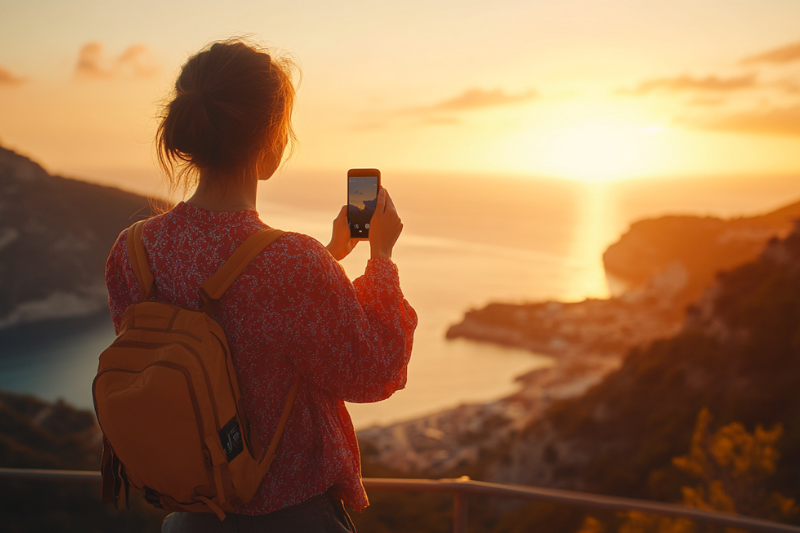
For decades, mass tourism defined the way the world traveled. Packed landmarks, standardized itineraries, and long lines were accepted as part of the experience. But as 2026 approaches, a noticeable shift is underway. Travelers are no longer asking how many places they can visit—they’re asking how deeply they can experience one. This change marks the steady rise of niche travel, a movement that may finally signal the end of mass tourism as we know it.
- Why Mass Tourism Is Losing Its Appeal
- What Niche Travel Really Means
- Personalization Is Driving the Shift
- Privacy and Space as New Luxury
- Sustainability Is No Longer Optional
- Technology Enabling Deeper Experiences
- The Rise of Purpose-Driven Journeys
- How Destinations Are Adapting
- What This Means for the Future of Travel
- Final Thoughts
Why Mass Tourism Is Losing Its Appeal
Mass tourism was built for convenience and volume. While it made global travel accessible, it also brought overcrowding, environmental strain, and diluted cultural experiences. Popular destinations became victims of their own success, with residents overwhelmed and travelers feeling disconnected from the places they visited.

Today’s travelers are more aware. They recognize that standing in crowds doesn’t create meaningful memories—and often creates stress instead. The modern traveler values calm, authenticity, and intention, making mass tourism feel outdated.
What Niche Travel Really Means
Niche travel is not about luxury or exclusivity alone. At its core, it is about alignment—travel experiences tailored to personal interests, values, and lifestyles. Rather than following generic travel routes, niche travelers choose journeys that reflect who they are.
This can include wellness retreats, culinary travel, heritage stays, eco-conscious adventures, remote work travel, slow travel, or hyper-local cultural immersion. The experience matters more than the destination’s popularity.
Personalization Is Driving the Shift
One of the strongest forces behind niche travel is personalization. Travelers in 2026 expect experiences designed specifically for them. Custom itineraries, private guides, curated stays, and flexible schedules allow travelers to shape trips around their own pace and priorities.
Instead of booking “top ten” attractions, travelers choose what resonates—be it art, food, nature, wellness, or solitude.
Privacy and Space as New Luxury
As destinations become more crowded, space has become a luxury. Niche travel prioritizes privacy, whether through secluded accommodations, off-season travel, or lesser-known locations. Travelers want to feel present and unhurried, not rushed or overstimulated.
Private villas, boutique hotels, eco-lodges, and countryside retreats are increasingly preferred over large resort complexes. The experience feels more personal—and more meaningful.
Sustainability Is No Longer Optional
Niche travel aligns closely with sustainability. Travelers are becoming conscious of their impact on the environment and local communities. Smaller-scale tourism supports local businesses, preserves cultural integrity, and reduces environmental stress.
In 2026, responsible travel is no longer a trend—it’s an expectation. Niche travelers seek transparency, ethical practices, and experiences that give back rather than take away.
Technology Enabling Deeper Experiences
Technology is not disappearing from travel—it’s becoming smarter. AI-driven recommendations, data-led personalization, and digital concierge services are helping travelers discover niche experiences that match their preferences.
Rather than amplifying mass tourism, technology in 2026 enables precision travel—connecting travelers to experiences they may never have found through traditional platforms.
The Rise of Purpose-Driven Journeys
Another defining feature of niche travel is purpose. Travelers want trips that offer growth, restoration, or connection. Wellness travel focuses on mental and physical well-being. Cultural travel prioritizes learning and respect. Nature-based travel reconnects travelers with the environment.
These journeys feel transformative rather than transactional.
How Destinations Are Adapting
Destinations themselves are shifting strategies. Instead of chasing visitor numbers, many are focusing on visitor quality. Controlled tourism, capacity limits, and curated experiences protect both local life and traveler satisfaction.
This approach creates healthier travel ecosystems where both guests and hosts benefit.
What This Means for the Future of Travel
Mass tourism won’t disappear overnight, but its dominance is fading. Niche travel represents a more thoughtful, human-centered future. Travelers want fewer crowds, deeper connections, and experiences that feel intentional rather than rushed.

In 2026, travel success will be measured not by volume, but by value—emotional, cultural, and environmental.
Final Thoughts
The end of mass tourism doesn’t mean the end of travel—it marks its evolution. Niche travel offers a path forward that respects destinations, empowers travelers, and restores meaning to the journey. As travelers seek depth over display, niche travel is no longer an alternative—it’s becoming the new standard.