


Video games have evolved far beyond competition and storytelling. Today, many players log in not just to complete missions or win matches, but simply to hang out. Social sandbox games — open-ended virtual worlds where players create, explore, and interact freely — have become digital gathering spaces that blend gaming, creativity, and online social life. Instead of focusing on strict objectives, these platforms emphasize connection, self-expression, and shared experiences.
What Makes a Game a Social Sandbox?
Social sandbox games are built around freedom. Players can design their own environments, build structures, host events, or simply wander and chat with friends. Unlike traditional games with linear storylines or defined goals, sandbox worlds allow users to shape their own experiences.
Popular examples like Minecraft, Roblox, and Fortnite have evolved into massive social hubs. While each began with distinct gameplay mechanics — survival crafting, user-generated mini-games, or battle royale competition — their social features have become just as important as the gameplay itself.
Players might spend hours building virtual homes, exploring creative maps, or attending in-game parties. The emphasis is less on winning and more on participating in a shared digital space.
A New Kind of Online Socializing
For many people, especially younger generations, social sandbox games function much like social media platforms. Instead of scrolling through posts, players meet in virtual environments where they can talk, collaborate, and express themselves through customized avatars.
During global events that limited physical interaction, these games became essential spaces for connection. Friends who couldn’t meet in person gathered in digital worlds to celebrate birthdays, attend virtual concerts, or simply catch up after school or work.
Even beyond necessity, the appeal remains strong. Digital hangout spaces allow players to socialize across distances, time zones, and cultures, making friendships more accessible than ever before.
Creativity as a Social Language
One of the most powerful aspects of sandbox games is creativity. Players don’t just communicate through text or voice — they build together. Constructing a shared city, designing themed worlds, or creating custom mini-games becomes a form of collaboration that strengthens social bonds.
In games like Minecraft, building projects often turn into communal achievements where each player contributes something unique. On Roblox, users design entire experiences that others can explore, blending game development with social interaction.
This shared creativity transforms gaming from a passive activity into a collaborative art form. The process of creating together fosters teamwork, imagination, and a sense of ownership within the virtual community.
Events, Entertainment, and Virtual Culture
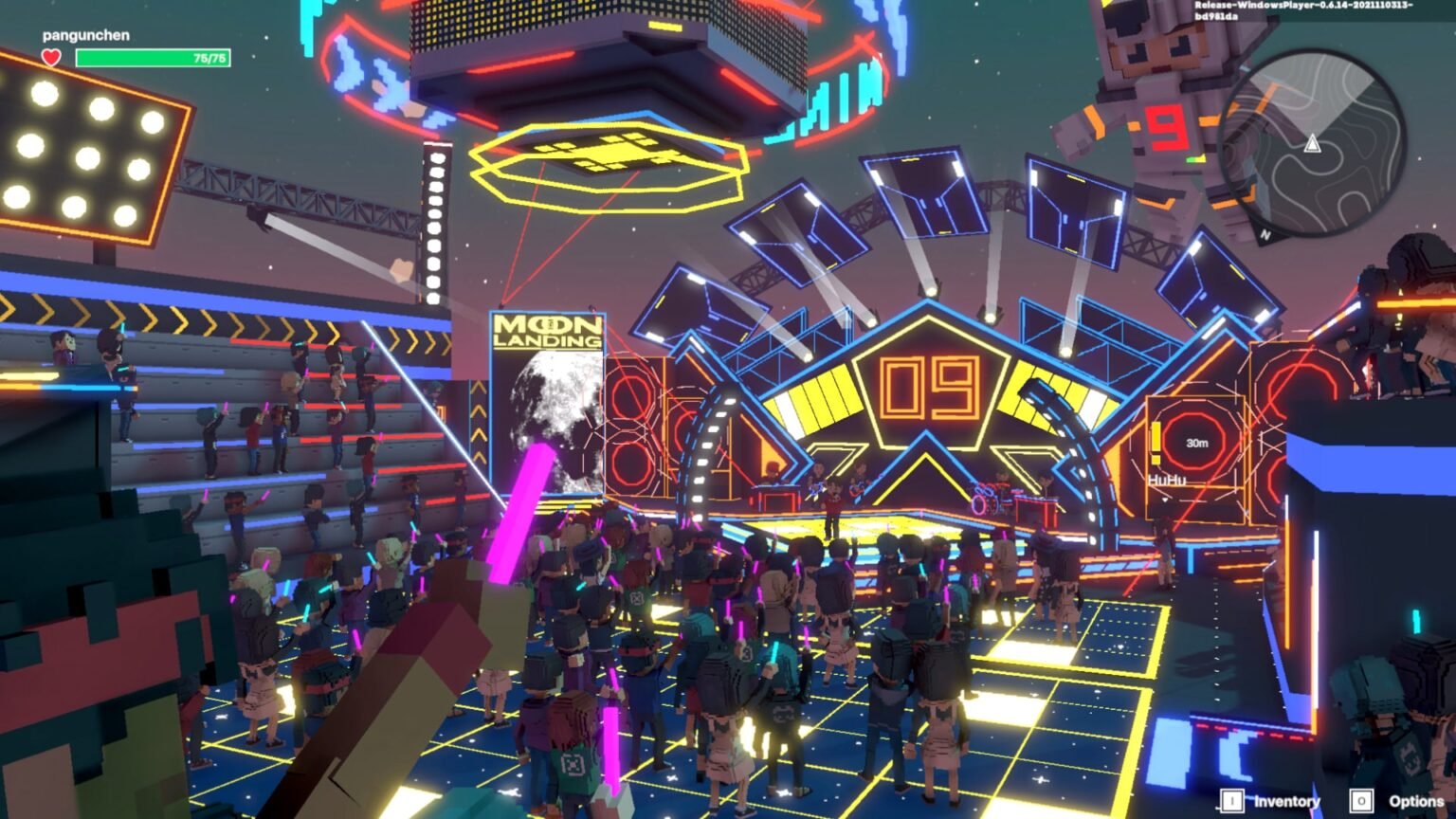
Social sandbox games have also become platforms for digital events. Virtual concerts, film screenings, fashion shows, and live performances now take place inside gaming worlds, drawing millions of attendees. These events blur the line between gaming and entertainment, offering experiences that feel both interactive and communal.
In Fortnite, for example, massive virtual concerts have attracted global audiences, turning a competitive shooter into a cultural stage. Players can dance, explore themed environments, and interact with others while sharing a real-time event.
As virtual culture grows, sandbox games are evolving into creative ecosystems where art, music, storytelling, and community intersect.
Challenges of Digital Hangout Spaces
While social sandbox games offer exciting opportunities, they also face challenges. Moderating large online communities can be difficult, and developers must balance freedom with safety. Issues like online harassment, inappropriate content, and digital addiction require thoughtful solutions.
Privacy is another concern, especially as players share personal information through voice chat or social features. Game developers continue to improve safety tools, reporting systems, and parental controls to create healthier digital environments.
The Future of Social Gaming
As technology advances, social sandbox games may become even more immersive. Virtual reality could allow players to feel physically present with friends, while artificial intelligence might create smarter NPCs that participate in social interactions. Cross-platform accessibility will continue to connect players across devices, making digital hangouts even more universal.
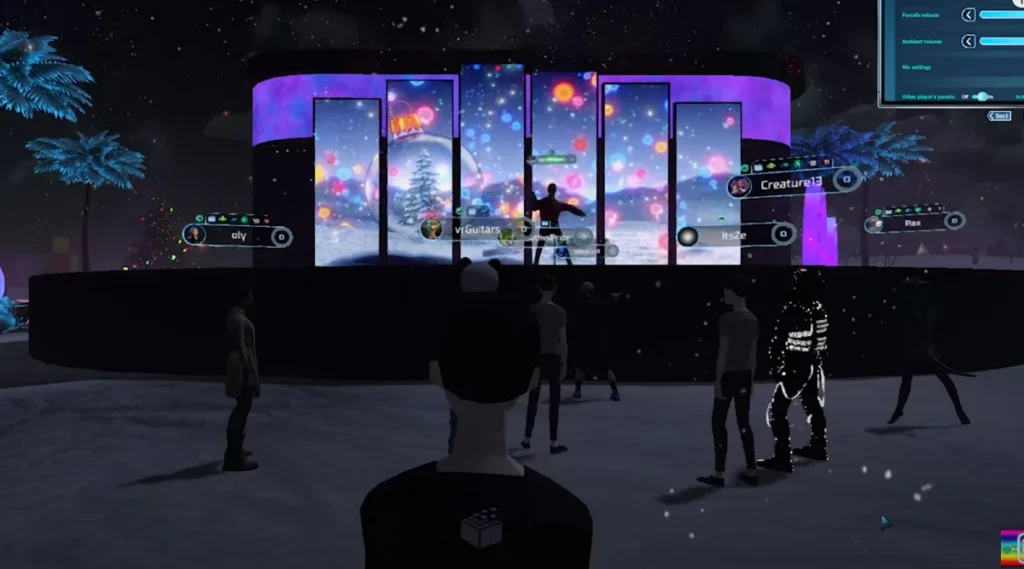
These virtual worlds may also blend with broader online communities, serving as hubs for education, remote work, and creative collaboration beyond traditional gaming.
More Than Just a Game
Social sandbox games are redefining what it means to play. They are no longer just entertainment products — they are living digital spaces where people connect, create, and share experiences. For many players, logging into a sandbox game feels less like starting a match and more like stepping into a favorite gathering place.
As technology continues to evolve, these digital hangout spaces will likely become even more central to online culture. Whether building a castle with friends, attending a virtual concert, or simply chatting in a shared world, social sandbox games show that sometimes the best part of gaming isn’t the game itself — it’s the people you meet along the way.