




Hiking adventures don’t always begin at the trailhead—they often start with the journey getting there. Whether you’re heading to remote mountains, forest trails, or offbeat destinations, having the right vehicle can make all the difference. At Hike Insights, we believe that the perfect hiking experience combines smart planning, the right gear, and reliable transportation.
- Why Your Vehicle Matters for Hiking
- Types of Vehicles Ideal for Hiking Trips
- Key Features to Look for in a Hiking Vehicle
- Ground Clearance
- All-Wheel Drive (AWD) or Four-Wheel Drive (4WD)
- Storage Space
- Fuel Efficiency
- Safety Features
- Essential Road Trip Gear for Hikers
- Tips for Planning a Hiking Road Trip
- Common Mistakes to Avoid
- Eco-Friendly Driving for Hikers
- Future Trends in Hiking Vehicles
In this guide, we explore the best types of vehicles for hiking trips and what you should consider before hitting the road.
Why Your Vehicle Matters for Hiking
Many hiking destinations are located far from cities, often requiring travel on rough or unpaved roads. A suitable vehicle ensures:
- Easy access to remote trailheads
- Safety on uneven terrain
- Comfortable long-distance travel
- Space for gear and equipment
Choosing the right vehicle can turn a stressful journey into a smooth adventure.
Types of Vehicles Ideal for Hiking Trips
SUVs (Sport Utility Vehicles)
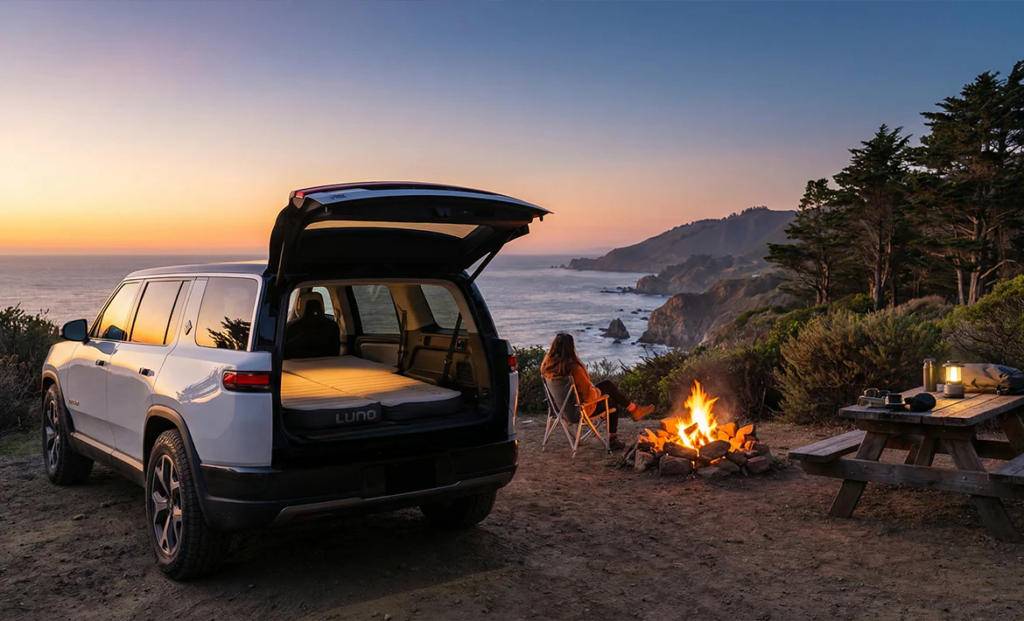
SUVs are among the most popular choices for hikers.
Why they’re great:
- High ground clearance
- Spacious interiors
- Strong performance on rough roads
Perfect for both beginners and experienced hikers exploring varied terrains.
Crossovers
Crossovers combine comfort with moderate off-road capability.
Best for:
- Light off-road trails
- City-to-trail travel
- Fuel-efficient trips
They are a practical option for casual hiking trips.
Pickup Trucks
Pickup trucks are built for rugged adventures.
Advantages:
- Excellent off-road performance
- Large cargo space
- Durable build
Ideal for carrying heavy gear or camping equipment.
Camper Vans
For those who love extended outdoor trips, camper vans offer a complete experience.
Features:
- Built-in sleeping space
- Storage for gear
- Comfortable travel setup
Perfect for multi-day hiking adventures.
Key Features to Look for in a Hiking Vehicle
Before choosing a vehicle, consider these important features:
Ground Clearance
Essential for navigating rocky or uneven trails.
All-Wheel Drive (AWD) or Four-Wheel Drive (4WD)
Provides better traction on difficult terrains.
Storage Space
Enough room for backpacks, tents, and supplies.
Fuel Efficiency
Important for long-distance travel.
Safety Features
Look for features like traction control, hill assist, and emergency braking.
Essential Road Trip Gear for Hikers
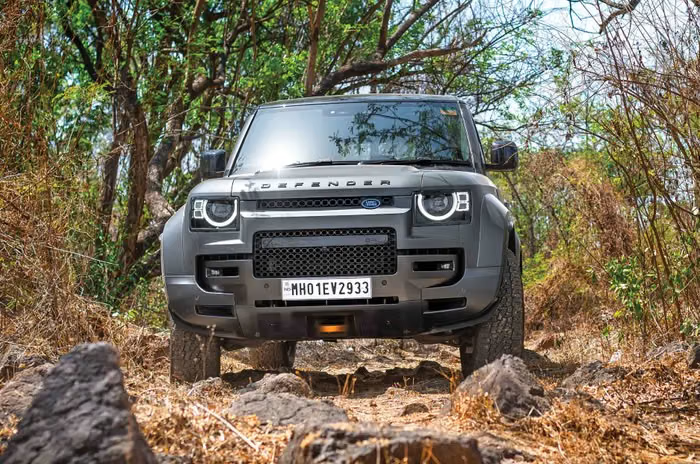
Your vehicle should carry more than just your hiking gear.
Must-have items:
- Spare tire and repair kit
- First-aid kit
- Portable air compressor
- Extra fuel or power bank
- Emergency tools
Being prepared ensures safety during unexpected situations.
Tips for Planning a Hiking Road Trip
- Research your route and road conditions
- Check weather forecasts before departure
- Start early to avoid traffic and delays
- Keep offline maps as backup
- Inform someone about your travel plans
Good planning makes your journey stress-free and enjoyable.
Common Mistakes to Avoid
- Using low-clearance vehicles on rough trails
- Ignoring vehicle maintenance before trips
- Overloading the vehicle
- Not carrying emergency supplies
- Underestimating travel time
Avoiding these mistakes can save you from unnecessary trouble.
Eco-Friendly Driving for Hikers
As hikers, protecting nature is a responsibility.
Practice eco-friendly habits:
- Avoid off-road driving in restricted areas
- Reduce fuel consumption by planning efficient routes
- Do not litter or damage natural surroundings
Responsible driving helps preserve the environment.
Future Trends in Hiking Vehicles
The automotive world is evolving rapidly.
What to expect:
- Electric SUVs for eco-friendly travel
- Smart navigation systems with real-time updates
- Vehicles designed specifically for adventure travel
- Integration with outdoor and hiking apps
These innovations will make hiking trips more sustainable and convenient.