




Owning a home comes with plenty of responsibilities, and unexpected repair bills are often one of the biggest concerns for homeowners. Imagine your air conditioner stops working in the middle of summer or your refrigerator suddenly breaks down. These repairs can quickly become expensive and disrupt your monthly budget.
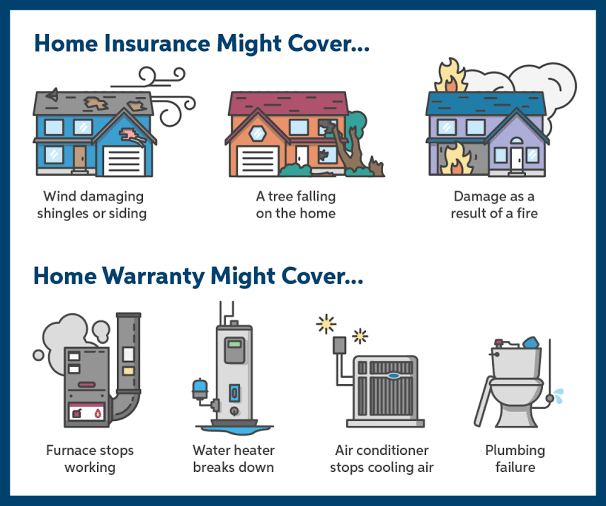
This is where a home warranty can help. It provides coverage for certain home appliances and systems, helping homeowners manage unexpected repair or replacement expenses. But before purchasing a plan, one important question comes to mind: How much does a home warranty cost?
Let’s break down the average pricing, factors that affect costs, and what you should consider before choosing a plan.

How Much Does a Home Warranty Cost on Average?
In the United States, a home warranty typically costs between $47 and $82 per month, depending on the provider and coverage selected. Based on 2026 industry research, the average monthly premium is approximately $56, which comes to around $672 annually.
However, basic plans may cost less, while comprehensive plans covering multiple appliances and home systems can be more expensive.
Apart from the monthly or annual premium, most providers also charge a service call fee whenever you request a technician to inspect a covered item. This generally ranges from $75 to $125 per visit.
What Factors Affect Home Warranty Costs?
Not every homeowner pays the same amount for coverage. Several factors influence the final price of a home warranty.
1. Type of Coverage
The coverage you choose plays a major role in determining the price. Appliance-only plans generally cover items such as refrigerators, washing machines, ovens, and dishwashers. Systems-only plans focus on heating, cooling, plumbing, and electrical systems.
Comprehensive plans combine both categories and usually cost more.
2. Size and Age of Your Home
Larger homes may have additional appliances, multiple HVAC systems, or more complex installations. As a result, some warranty providers charge higher premiums for larger properties.
3. Location
Your location can also affect pricing. Repair costs, contractor availability, and local service expenses vary between states and cities, which may influence warranty premiums.
4. Optional Add-On Coverage
Some homeowners need protection for items that aren’t included in standard plans. Options such as pool equipment, septic systems, roof leak coverage, and additional appliances may increase the overall cost.
Understanding Additional Home Warranty Fees
The monthly premium isn’t the only expense you should consider.
Most home warranty providers charge a service call fee when you submit a repair request. For example, if your dishwasher stops working, you may need to pay a service fee before a technician visits your property.
You should also review coverage limits, exclusions, and replacement conditions. If a repair exceeds the provider’s coverage limit, you may have to pay the remaining amount yourself.
Understanding these charges beforehand can help you avoid unexpected expenses later.
Is a Home Warranty Worth the Cost?
A home warranty can be useful for homeowners who want additional financial protection against unexpected appliance and system breakdowns.
It may be particularly helpful if you own an older property, have appliances approaching the end of their expected lifespan, or prefer predictable expenses over paying for every repair separately.
However, a home warranty isn’t always the right choice. If your appliances and home systems are relatively new and you have enough savings to handle repairs, paying for coverage every year may not offer much financial benefit.
The best approach is to compare the annual premium, service fees, coverage limits, and exclusions before making a decision.
Tips to Choose an Affordable Home Warranty Plan
Finding an affordable plan doesn’t necessarily mean choosing the cheapest option. Here are a few practical tips:
- Compare multiple providers: Get quotes from different companies before making a decision.
- Check what’s covered: Make sure the plan includes the appliances and systems you actually need.
- Review service fees: A cheaper monthly premium may come with higher repair visit charges.
- Understand coverage limits: Check how much the provider will pay toward repairs or replacements.
- Read customer reviews: Look into claim experiences, customer support, and repair service quality.
Taking a little time to compare plans can help you find coverage that fits your home and budget.
Final Thoughts
A home warranty can cost anywhere from a few hundred dollars to over a thousand dollars annually, depending on the coverage and provider you choose. While it cannot prevent appliances from breaking down, it can make certain unexpected repair expenses easier to manage.
Before purchasing a plan, look beyond the advertised monthly price. Consider service fees, exclusions, coverage limits, and the actual needs of your home.
Ultimately, the right home warranty is one that offers useful coverage at a price you can comfortably afford.